

News Desk Report
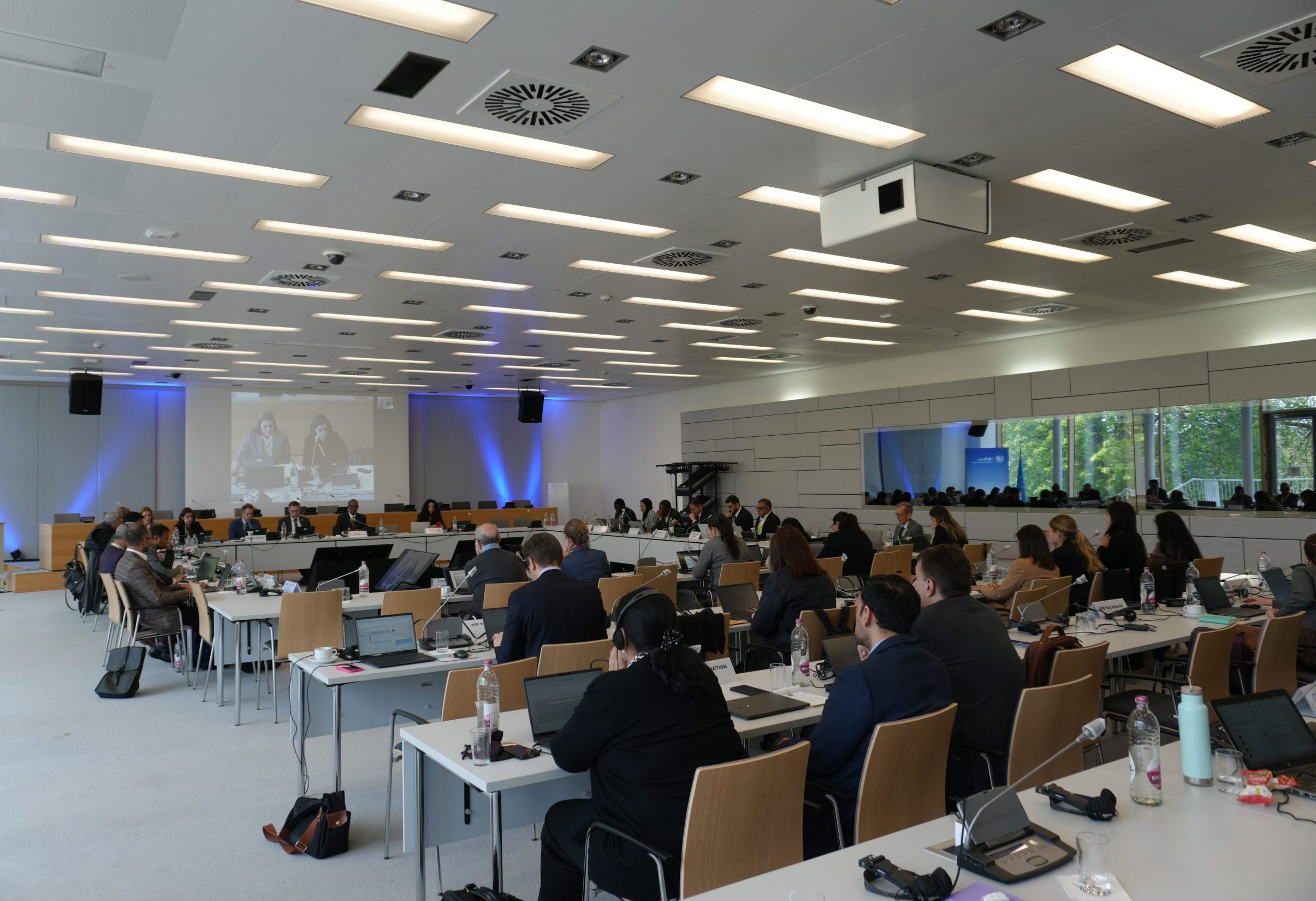
The Adaptation Fund Board has approved US$ 133.83 million in new projects to support climate-vulnerable countries, amidst record demand for its work. The Fund received 94 proposals totaling US$ 1.33 billion, highlighting the pressing need for adaptation finance.
The approved projects will support initiatives in countries such as Malawi, Angola, Namibia, Eswatini, Zambia, and Zimbabwe, focusing on building resilience to climate change, promoting sustainable agriculture, and enhancing food security.
Notably, the Fund approved its largest single-country adaptation project (US$ 20 million in Malawi) to help smallholders build resilience to climate change, and its largest regional project (US$ 24.55 million in Angola and Namibia) to build inclusive resilience to climate change for semi-nomadic agro-pastoral communities in the transboundary Kunene River Basin.
The Board also approved the Fund’s first and largest regional Locally Led Adaptation (LLA) project at US$ 30 million to finance LLA and nature-based solutions for catchment resilience in southern Africa (in Eswatini, Zambia, and Zimbabwe). Additionally, 31 project formulation grants totaling US$ 4.54 million were approved to support the development of proposals and project concepts valued at US$ 407 million.
The Adaptation Fund has committed over US$ 1.6 billion for climate change adaptation and resilience projects and programmes since 2010, supporting over 65 million beneficiaries in developing countries. The Fund’s updated resource mobilization strategy aims to diversify its funding sources and ensure it can respond to the growing adaptation needs of vulnerable countries.
The Board also adopted a new Policy on Safeguarding against Sexual Exploitation and Abuse and Sexual Harassment, promoting survivor-centered, confidential, and accountable reporting and response mechanisms. “The Adaptation Fund continues to receive record demand for its work, and the Board responded accordingly,” said Mr. Ali Daud Mohamed, Chair of the Board.
“We approved a new resource mobilization strategy which will help diversify our funding sources, and accelerate the response to the record US$ 1.3 billion adaptation demand we are facing.”
Source: www.climatewatchonline.com