
News Desk Report
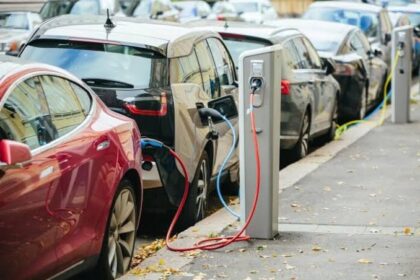
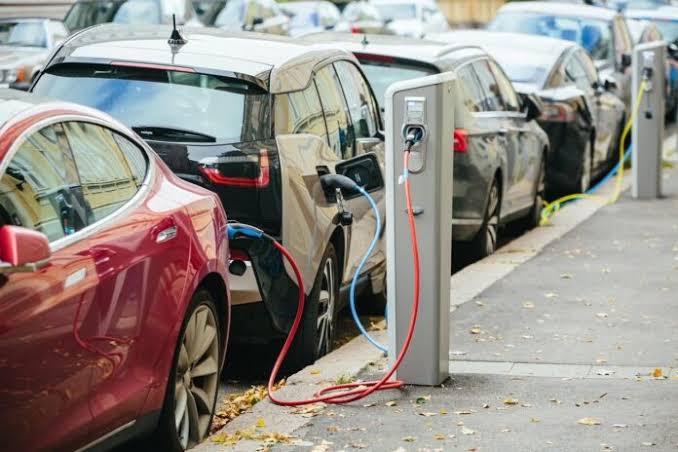
The Ghana Chamber of Clean Energy (GCCE) has welcomed the introduction by the Public Utilities Regulatory Commission (PURC) of a dedicated electricity tariff for public electric vehicle (EV) charging for the first time in Ghana.
The approved tariff of GH¢2.016 per kWh, effective April 1, represents an important regulatory step toward establishing a clearer framework for the development of Ghana’s electric mobility ecosystem.
This development addresses an issue GCCE has consistently raised in its advocacy and policy work. In our recent publication, the Ghana Clean Transportation Outlook 2026, the Chamber highlighted the need for a clearly defined tariff category for EV charging as a foundational element for the growth of Ghana’s charging infrastructure market. Prior to this framework, operators were classified under conventional commercial or industrial electricity tariffs that do not reflect the operational realities of EV charging businesses.
The introduction of a dedicated tariff therefore provides a level of regulatory clarity that is important for both infrastructure developers and investors. EV charging infrastructure requires significant upfront capital investment and long planning horizons.
A transparent and predictable electricity pricing structure improves the ability of operators and financiers to assess project viability, structure investment decisions, and expand charging networks with greater confidence and investment.
A clearly defined tariff framework also supports the gradual development of a national charging network by providing operators with greater certainty around operating costs while giving consumers clearer expectations about charging prices. These conditions are important for the early stages of market formation, when infrastructure deployment must precede widespread EV adoption.
Commenting on the decision, Seth Owusu-Mante, Executive Director of GCCE, noted that the announcement is an important and major step toward building the institutional foundations for Ghana’s electric mobility market:
“Establishing a dedicated EV charging tariff is a practical and necessary step in creating a viable market for charging infrastructure as it provides the type of regulatory clarity investors look for when considering long-term infrastructure projects.”
GCCE will continue to actively engage with the PURC, the Ministry of Transport, the Ministry of Energy and Green Transition, financial institutions, and industry stakeholders to support the development of a robust EV charging market in Ghana.
Through this engagement, the Chamber will advocate for a tariff framework that supports ease of doing business for charging infrastructure providers, ensures commercially viable returns for operators, and encourages broader investment and adoption of electric mobility solutions.
Source: www.climatewatchonline.com