

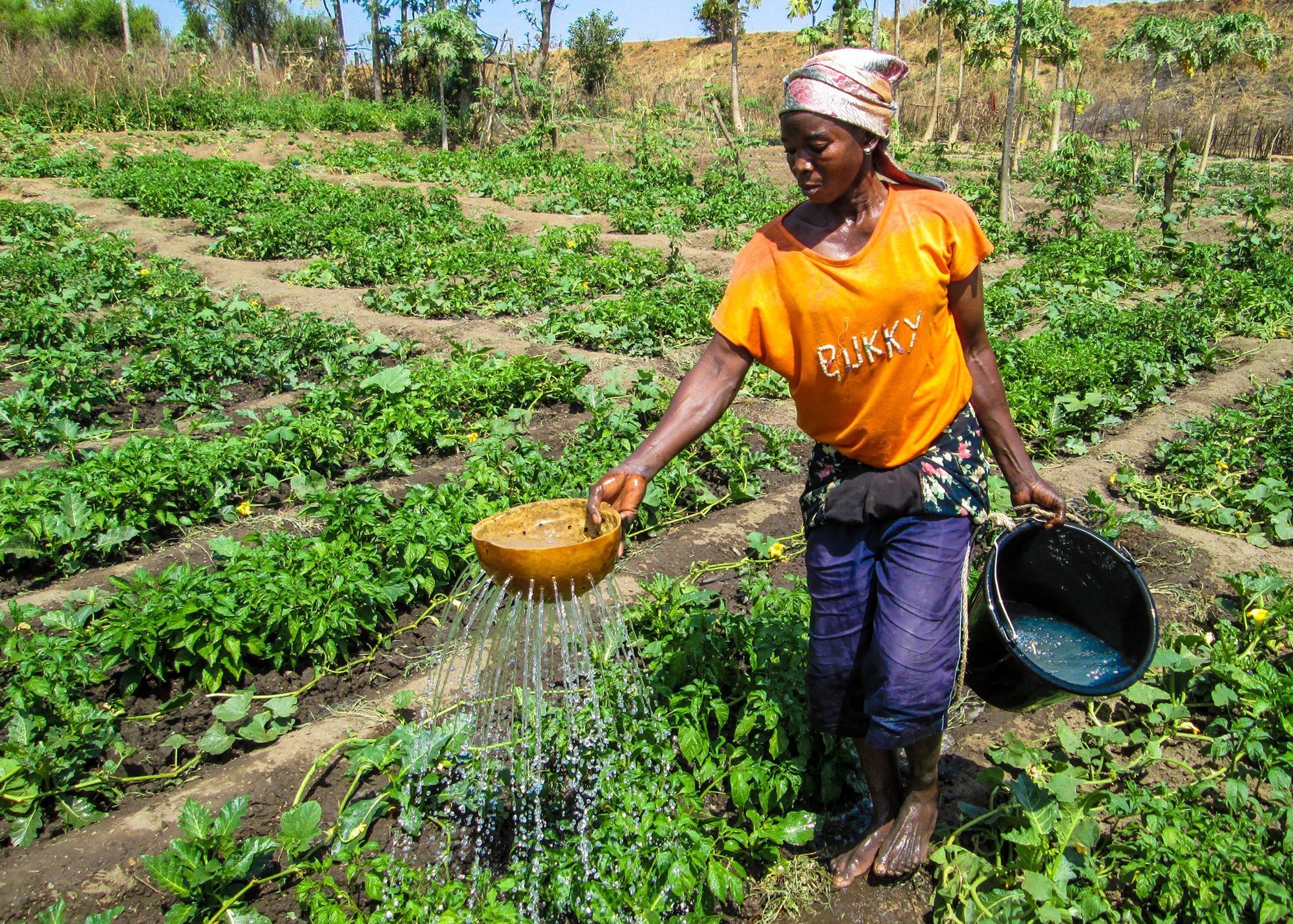
Accra, Ghana- Climate adaptation in agriculture is no longer an abstract policy idea; it is a daily survival strategy for farmers and a growing opportunity for Ghana’s banks. Erratic rainfall, heat stress, and floods are already reshaping yields and loan performance.
The smart response? Financing practical, climate‑resilient practices that stabilize incomes and protect portfolios.
Think drip irrigation powered by small solar pumps, drought‑tolerant seeds matched to local agro‑ecological zones, digital weather advisories sent straight to farm phones, and on‑farm storage that cuts post‑harvest losses.
These are not experiments; they are proven to reduce default risk by smoothing cash flows and shortening recovery time after climate shocks.
For banks, embedding adaptation into agricultural lending means redesigning products: longer tenors aligned with crop cycles, grace periods tied to climate triggers, bundled insurance, and partnerships with aggregators and extension services.
Relationship managers do not just assess acreage; they ask about water access, soil health, and climate practices. Operations teams track resilience KPIs alongside repayment rates.
When banks finance resilience, they are not subsidizing risk; they are managing it. Climate‑smart farms are more productive, more predictable, and more bankable. That is how adaptation moves from the field to the balance sheet and why Ghana’s food system and financial system can grow stronger together.
By: Justice Akoto, Sustainable Development Advisor-Fidelity Bank
Source: www.climatewatchonline.com