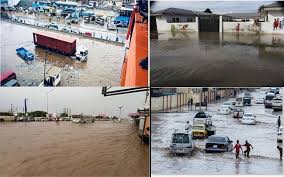


Accra, Dec 29 2025– In Ghana’s mining corridors, climate change is no longer a distant threat but a daily reality. Flooded pits after heavy rains, water shortages during the dry season, heat stress on workers and damaged access roads are all cutting production and squeezing cash flow.
For banks, these physical risks translate directly into credit risk, asset‑value erosion and higher loan‑default probabilities.
In response, mining firms are already adopting practical resilience measures. Operators are redesigning drainage systems to cope with extreme rainfall, reinforcing tailings facilities to meet higher climate‑stress thresholds and installing water‑recycling plants to reduce freshwater dependence. Work schedules are being adjusted to protect workers from heat, and real‑time climate monitoring is guiding operational decisions.
These interventions are helping to stabilise output, safeguard workers and protect collateral value.
Banks are being urged to embed adaptation into mining finance by tightening climate due‑diligence. Lenders should screen locations for flood and water‑stress exposure, assess tailings safety and structure loans that reward resilience investments with better pricing or longer tenors.
Relationship managers are shifting from compliance checks to asking whether a mine can withstand the next climate shock. When mines adapt, production becomes steadier and repayment risk falls, turning climate resilience into a credit enhancer rather than a cost.
Fidelity Bank Ghana is already positioning sustainability as a service, helping mining clients integrate climate adaptation, environmental management and operational resilience into bankable business models. The bank invites interested parties to reach out and explore partnership opportunities.
The regulatory landscape is also evolving. The Bank of Ghana’s Climate‑Related Financial Risk Directive, effective from January 2026, mandates banks to factor climate risk into governance, credit assessment, capital and disclosure frameworks.
Together with the Ghana Green Taxonomy, these policies push the financial sector from voluntary to mandatory climate governance.
As climate‑induced shocks threaten to shave up to 3 % of Ghana’s GDP annually by 2050, banks that proactively finance resilient mining operations are likely to protect their balance sheets and gain a competitive edge in a hotter, more volatile economy.
By: Justice Akoto, Sustainable Operations Advisor-Fidelity Bank
Source: www.climatewatchonline.com