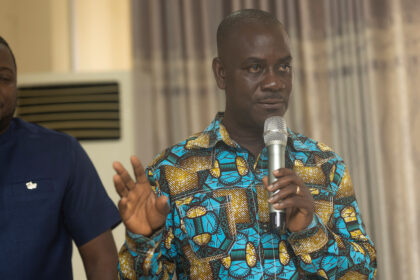


Abuja, Nigeria – The Central Bank of Nigeria International Training Institute (CBN ITI) launched the ESG Go-Live programme on January 19, 2026, with a keynote address by Ibrahim Abdullahi Shelleng, Senior Special Assistant to the President on Climate Finance & Stakeholder Engagement.
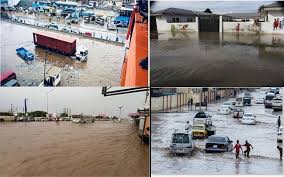
Shelleng emphasized the urgent need for climate action in Nigeria, citing impacts like reduced agricultural outputs, flooding, and desertification. “We’re seeing reduced agricultural outputs, disappearing freshwater sources, rapid flooding, and increased climate-related conflicts,” he said. “Desertification is advancing in the north while flooding intensifies in the south, driving population convergence into the middle belt and escalating resource conflicts.”

The Senior Special Assistant outlined plans for a nationwide climate change awareness tour to mobilize funding and create a whole-of-society approach to climate action. “It’s essential that at the subnational level, we understand that climate change affects us all,” he said. “We must mobilize the funding needed to tackle the developmental challenges we face.”
The programme aims to equip regulators and financial professionals with expertise to structure climate-smart products, transform Nigeria’s pipeline of climate projects into investment-ready opportunities, and embed ESG considerations into financial decision-making. Nigeria requires over $17 billion annually in climate investment, and this collaboration aims to strengthen capacity across the regulatory sector to unlock climate capital at scale.

The launch reflects President Tinubu’s commitment to positioning Nigeria as a continental leader in climate action. “By investing in institutional capacity and regulatory excellence, the Federal government is creating the enabling environment for climate finance to flow from policy to bankable projects that deliver measurable impact,” Shelleng said.
The Senior Special Assistant was accompanied by Mr. Msoo Mee, Technical Consultant to OSSAP-CFSE and Technical Partner for NgSFI 2026.
Source: www.climatewatchonline.com