

Accra, Ghana – Ghana is intensifying its eco-tourism’s efforts to combat climate change, leveraging its unique biodiversity and natural resources to promote sustainable tourism practices. The country’s eco-tourism sector contributed $1.2 billion to Ghana’s GDP in 2020, representing 5.5% of the country’s GDP.
The Ghana Tourism Development Company (GTDC) is promoting eco-tourism through digital platforms, showcasing the country’s natural beauty and cultural heritage. Initiatives include community-based eco-tourism projects, biodiversity conservation, and climate change mitigation efforts.
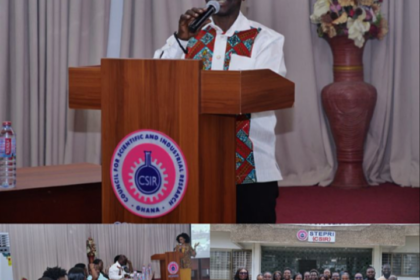
Professor Kobby Mensah, CEO of GTDC, emphasized the importance of digital infrastructure in promoting eco-tourism. “We are putting together systems that would make it possible for people to procure tourism services and products easily, regardless of what they are” – he said. The GTDC has launched the “Ghana Tourism Marketplace”, a digital platform allowing vendors to onboard their tourism products and services, marketed globally for free.
The platform is part of the government’s vision for a “Black Star Experience” and “Tourism 365” initiative, aiming to make Ghana a premier tourist destination. The GTDC is also promoting agri-tourism, inviting visitors to experience Ghana’s farming practices and cultural heritage.
The government has launched the “National Adaptation Plan”, outlining sector and district-specific action plans to guide implementation. The plan aims to mobilize over $20 billion between 2025 and 2030 to address core priorities, including agriculture, water infrastructure, health, and ecosystems.
Ghana has signed a $25 billion public-private partnership agreement to address climate change and promote sustainable development. The “Ghana Green Guard” initiative aims to restore over 12 million hectares of land, focusing on reforestation, regenerative agriculture, and coastal environment restoration.
The country’s eco-tourism sector is expected to grow, with the government working to develop eco-tourism infrastructure, promote sustainable practices, and empower local communities. The sector supports local economies, reducing poverty and promoting sustainable development.
Professor Mensah emphasized the importance of partnerships in promoting eco-tourism. “We need networks, we need partnership with institutions whose objectives align with ours, so that we can both achieve those objectives” – he said. The GTDC is working with universities to promote educational tourism, offering training and resources to young people.
The government’s efforts aim to create a sustainable tourism industry that benefits local communities and conserves Ghana’s natural environment. With its rich cultural heritage and diverse ecosystems, Ghana is poised to become a leading eco-tourism destination.
The GTDC’s initiatives have already shown positive results, with a significant increase in tourists’ arrivals and revenue generated from eco-tourism activities. The organization’s efforts are expected to continue driving growth in the sector, contributing to Ghana’s economic development and environmental conservation.
As Ghana continues to promote eco-tourism, the country is likely to become a model for sustainable tourism practices in the region, showcasing the potential for tourism to drive economic growth while conserving natural resources.
Source: www.climatewatchonline.com