
Accra, Ghana— Ghana is preparing to expand its electronic waste management efforts beyond pilot projects and isolated interventions as the National E-Waste Management Fund moves to establish a nationwide recycling and recovery system.
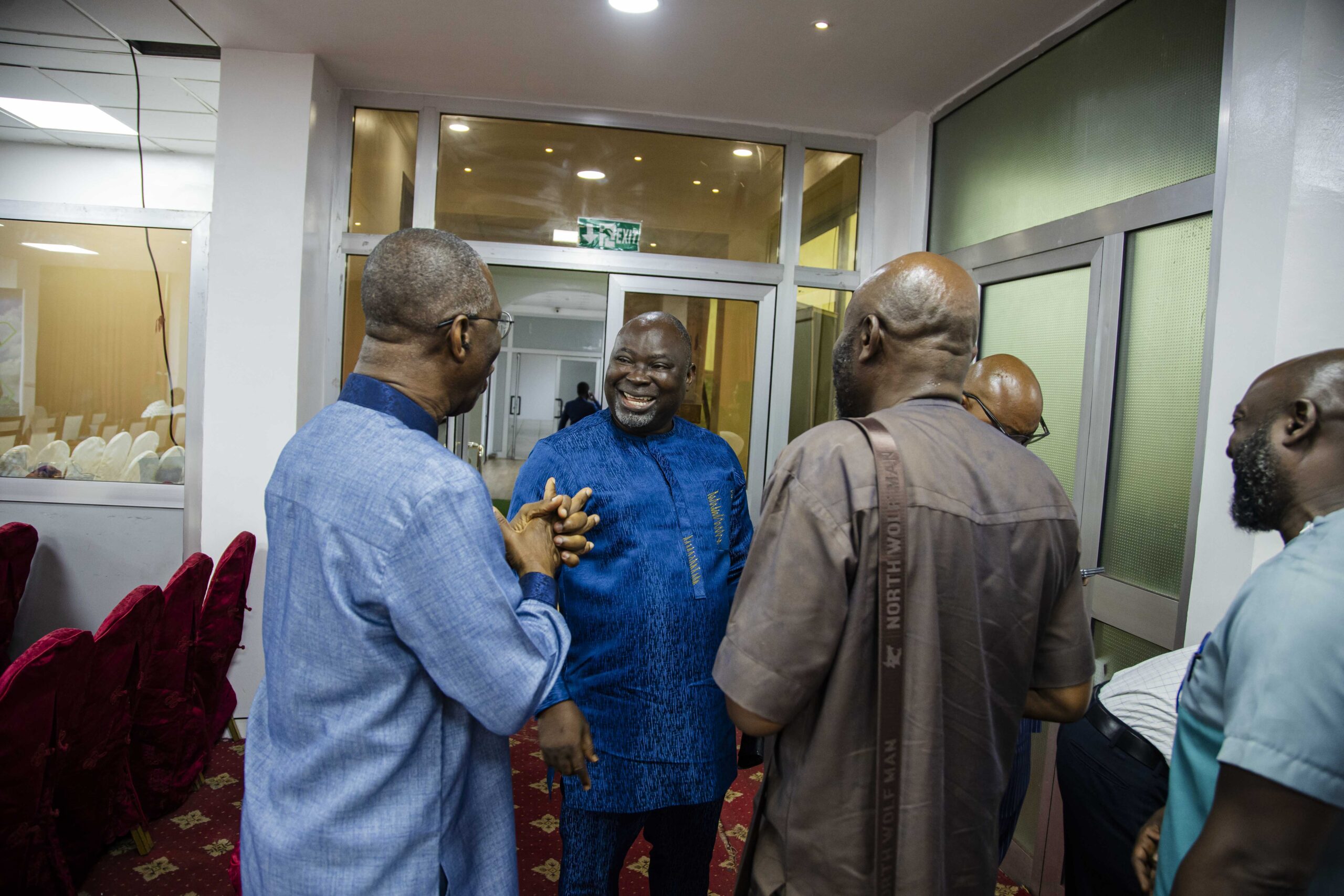
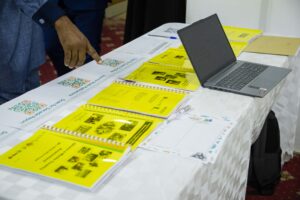
The ambition was highlighted during the launch of the publication “A Decade of Pioneering E-Waste Management in Ghana (2009–2019),” which outlined how research-driven interventions have transformed the country’s approach to e-waste management over the past decade.
Stakeholders said one of the most successful interventions was the establishment of the Agbogbloshie Recycling Centre (ARC) in 2014 through a partnership involving Green Advocacy Ghana, Pure Earth, the National Youth Authority, and the Greater Accra Scrap Dealers Association.
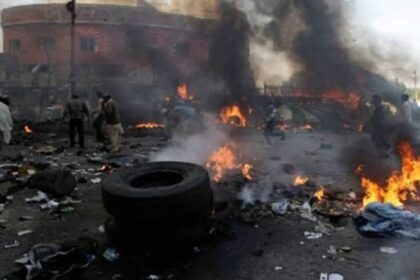
The centre introduced motorised cable-stripping machines to replace the widespread practice of burning electrical cables to recover valuable metals.
During its pilot phase, the facility processed approximately 25 tonnes of waste cables, enabling workers to recover copper and aluminium without exposing themselves or nearby communities to toxic emissions.
Building on that success, the GIZ-OekoPilot Incentive System introduced between 2018 and 2019 created financial incentives for waste cable collection and environmentally sound recycling.
The programme completed nearly 1,400 transactions involving 27.5 tonnes of waste cables and later informed the larger MEST-KfW Incentive Payment System.

Between 2020 and 2022, that programme facilitated the recovery of more than 457,000 pounds of cables, 69,000 pounds of batteries, and 232,000 pounds of thermoplastics, all of which were diverted from open burning and hazardous recovery methods.
Officials say the next phase of Ghana’s e-waste strategy will focus on scaling these interventions nationwide.
Under plans being pursued by the E-Waste Management Fund, Ghana aims to establish regional recycling and processing hubs, expand collection and take-back systems, and deploy digital platforms to improve traceability across the e-waste value chain.
The strategy will also prioritise the formalisation of informal sector workers by providing access to health services, protective equipment, training, and improved working conditions.

Stakeholders believe these measures will help Ghana capture greater economic value from discarded electronic products while reducing environmental pollution and protecting public health.
The long-term objective is to create a circular economy for electronics in which materials are recovered, reused, and recycled efficiently rather than discarded as waste.
Experts at the launch noted that with electronic consumption increasing rapidly across Africa, Ghana’s experience offers valuable lessons for other countries seeking to balance economic opportunity with environmental sustainability.
Source: www.climatewatchonline.com