
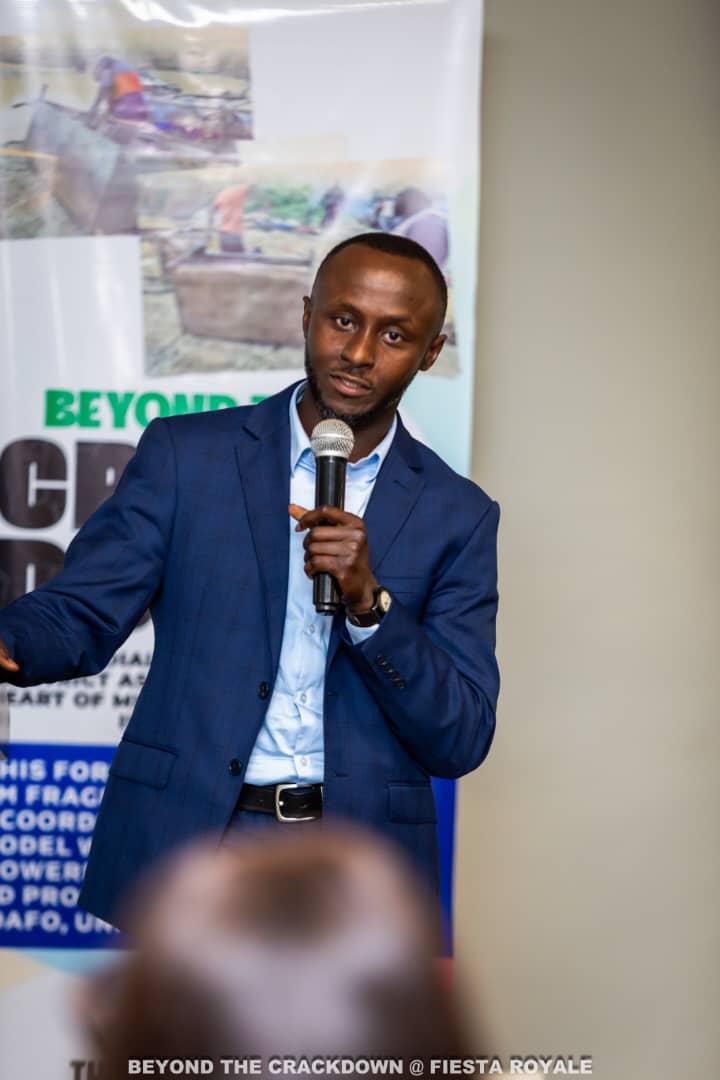
Report By: Ishmael Barfi
Accra, Ghana – A fundamental change in Ghana’s approach to small-scale mining governance is essential to resolve the country’s persistent challenges in , says Dr. John Boakye-Danquah, Principal Consultant at Globe and Systems Solutions and JPRS Consulting Inc.
“Artisanal and small-scale mining is a localized, fluid, and widespread activity across hundreds of communities, yet we have a governance system that sits at the top and tries to control everything,” Dr. Boakye-Danquah explained. “We need to realign our institutions to support local governance, especially at the district level, and ensure that mining activities are properly regulated and monitored.”
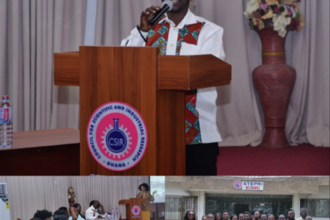
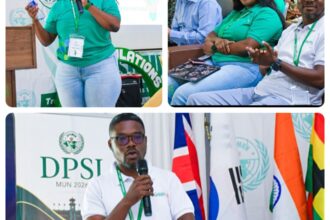
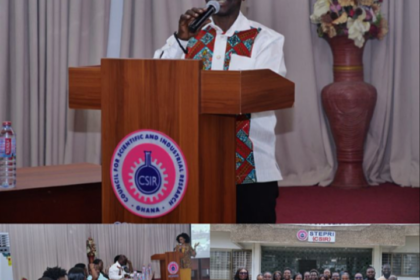
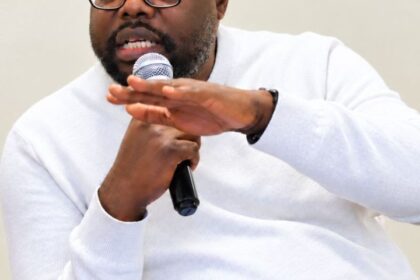
In an interview with Climate Watch at the sidelines of ‘Beyond the Crackdown: A Policy Dialogue on Putting District Assemblies at the Center of Mining Governance in Ghana’ organized by Globe and Systems Consulting & JPRS Consulting in partnership with the Centre for Climate Change and Sustainability Studies, University of Ghana, Dr. Boakye-Danquah emphasized that empowering district assemblies is not about creating new institutions or laws, but about redesigning how existing institutions operate, building relationships and identifying capacity gaps.
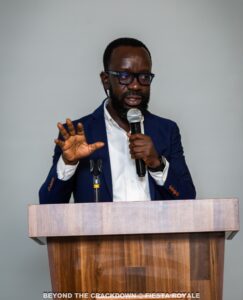
Dr. Boakye-Danquah, one of the leading consultants behind the findings, reiterated that “We need to work together to create incentives that enable local communities to lead in protecting their own environments and also ensure that mining benefits are shared fairly ,” adding that this approach is vital for the country’s progress.
Dr. Boakye-Danquah’s remarks come following a groundbreaking research project conducted in partnership with Professor Yaw Agyeman Boafo, PhD, of the Centre for Climate Change and Sustainability Studies at the University of Ghana, which underscores the vital role district assemblies can play in shaping the country’s mining future.
“We’ve found that district assemblies are the missing link in Ghana’s mining governance,” Professor Boafo stated. “By empowering them further, we can ensure that local enforcement and monitoring is activated and environmental damage is reduced, ultimately supporting sustainable development.”
Professor Boafo emphasized that strengthening district assemblies is essential for sustainable mining practices. “The Atiwa East District Assembly is leading the way, with its District Chief Executive, Mr Ernest Owusu Ntim taking a firm stance against irresponsible mining,” he noted. “This serves as a model for the rest of the country. If we empower district assemblies, we can turn sustainable mining into reality and ensure that Ghana’s natural resources benefit everyone.”
He also highlighted that the lack of clear policies and regulations limits district assemblies’ ability to manage mining issues, leaving communities exposed to exploitation. “We need to fill this gap and support district assemblies in effectively regulating mining activities and protecting the environment,” he said.

Dr. Boakye-Danquah agrees that a governance redesign is necessary. “All the national regulatory institutions want to hold onto power, but that’s not the way to achieve sustainable mining,” he asserted. “We must decentralize authority to the districts and support them in performing their duties effectively” .
“This is a vital step toward sustainable mining and ensuring Ghana benefits from its natural resources,” Professor Boafo affirmed. “We are committed to working with the government and other stakeholders to make this vision a reality and create a better future for all Ghanaians.”
Dr. Boakye-Danquah added that the current governance system is ineffective in tackling the sector’s challenges. “We need to see better collaboration between the ministries of local government, and lands and natural resources to realign our institutions to support local governance, especially at the district level, and ensure that mining is conducted responsibly and sustainably,” he concluded.
Source: www.climatewatchonline.com