
Imagine stepping out of your Accra flat on a crisp January morning, expecting the familiar dusty haze of the Harmattan, only to hear the patter of rain on the roof. That’s the scene many Ghanaians are witnessing this year—a January shower that used to be a rare curiosity but is fast becoming a new normal.
What the numbers say: Accra normally records about 19 mm of rain over roughly 9.7 days in January, making it the driest month on record. The 2026 forecast now shows “patchy rain possible” on several days, with a few heavier bursts already flooding streets and disrupting traffic.
Sea‑surface temperatures in the Gulf of Guinea have risen about 0.013 °C per year since 1950, pumping extra moisture into the atmosphere and allowing clouds to dump rain even when the Harmattan should keep the skies clear.
Why the Harmattan isn’t what it used to be: meteorologists note that the classic Harmattan—dry, dusty winds from the Sahara—has become “delayed, weaker, and less predictable” as the balance between moist monsoon air and dry Saharan air tilts toward the former. That weakening means the dry wind can’t always suppress the moisture‑laden air from the Gulf, leading to unexpected January rains.
Expert voices add weight to the observation. Umar Sale Anka, Director of Climate Change at the Kano State Ministry of Environment, explains, “The timing and strength of the Harmattan depend on the balance between moist monsoon air and dry Saharan air.
Rising global temperatures have weakened the pressure systems that drive the dry winds southward, making the Harmattan less predictable and less intense.” Ban Ki‑moon notes,
“Climate change is the single greatest threat to a sustainable future, but addressing it also presents a golden opportunity to promote prosperity, security and a brighter future for all.” Gordon Brown adds, “We cannot compromise with the earth; we cannot compromise with the catastrophe of unchecked climate change, so we must compromise with one another.”
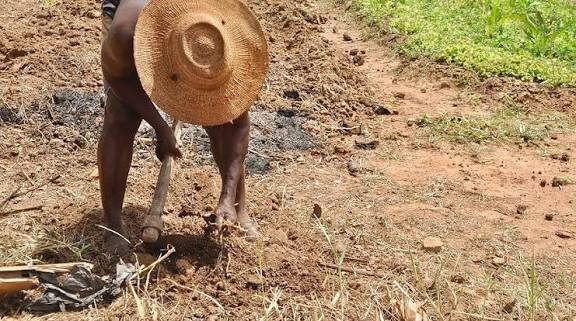
The ripple effects are tangible. Farmers who once planned their planting around a predictable dry spell now face water‑logged fields, threatening crops that aren’t built for mid‑dry‑season moisture. In Accra, inadequate drainage turns even a moderate downpour into a mini‑lake, raising worries about water‑borne diseases and traffic chaos. The dust‑laden Harmattan already spikes fine‑particle concentrations, linked to higher infant mortality; add rain‑related flooding, and the health risks climb further.
What’s being done? Ghana’s updated Nationally Determined Contribution (NDC) lists thirteen priority adaptation measures, from resilient infrastructure and improved drainage to updated agricultural calendars and stronger early‑warning systems. The goal is to turn these unexpected showers from a crisis into a catalyst for climate‑smart development.
So while a single January rain might seem like a quirky weather blip, it’s actually a vivid snapshot of a climate system under pressure—a reminder that for Ghana, climate change isn’t a future headline; it’s happening right now, even in the heart of the dry season.
Source: www.climatewatchonline.com