
Feature By: Justice Akoto
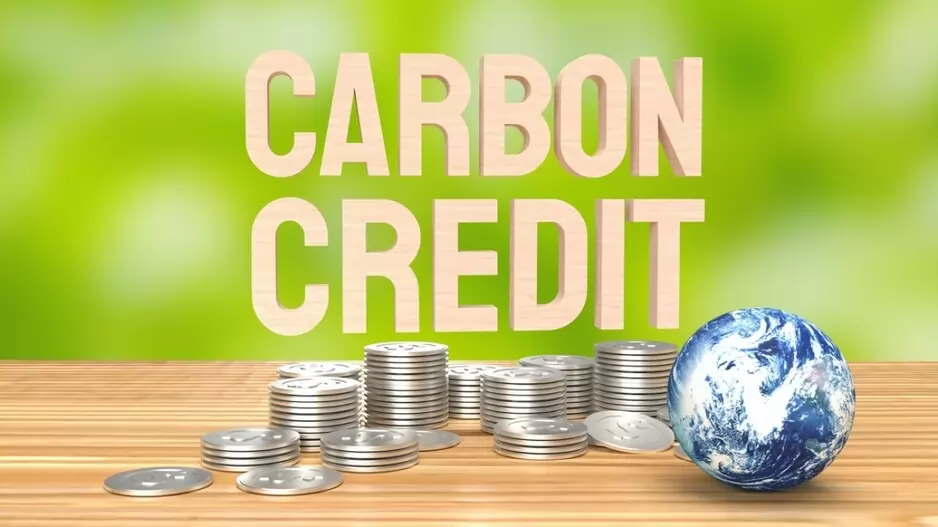
Carbon markets are shifting from mere climate rhetoric to financial architecture, and Ghana’s banking sector is taking notice. The focus is now on structuring deals that turn climate value into predictable cash flow. Three mechanisms are driving this change: forward contracts, spot sales, and results-based finance (RBF).
Forward contracts allow developers to sell future carbon credits today, securing capital for projects like agroforestry, clean cooking, or methane capture. This improves project liquidity but introduces delivery risk, requiring banks to assess whether the project can actually generate the promised reductions. Banks must evaluate the project’s technical feasibility, financial health, and management capacity to deliver the carbon credits.
Spot sales, on the other hand, occur after credits are issued and verified. These carry lower performance risk but expose developers and lenders to carbon price volatility, where market prices can swing significantly depending on supply, integrity debates, and corporate demand.
This means that developers and lenders must be prepared to manage price risks, using hedging strategies or diversifying their portfolio to mitigate potential losses.
Results-based finance (RBF) releases funding only after verified emissions reductions are achieved, promoting accountability and strong project governance. RBF demands strong Monitoring, Reporting and Verification (MRV) systems, robust project governance, and patient capital. This approach aligns the interests of developers, lenders, and buyers, ensuring that projects deliver real emissions reductions.
For Ghana, well-structured carbon finance can unlock new credit pipelines and reduce environmental risk exposure. The country’s forestry, clean energy, and waste projects are well-positioned to benefit from these mechanisms. Fidelity Bank Ghana is supporting clients in structuring credible carbon finance models, managing price volatility, and converting climate solutions into bankable investments.
Banks evaluating climate-linked projects must now scrutinize carbon credit agreements, examining buyers, pricing floors, verification timelines, and delivery obligations. This requires a new set of skills and expertise, as well as a deep understanding of the carbon market and its risks.
Good emissions reductions are no longer just environmental outcomes, but financial instruments. As carbon markets continue to evolve, Ghana’s banking sector is poised to play a key role in financing the country’s transition to a low-carbon economy.
Justice Akoto is an Environmental and Climate Management Expert
Source: www.climatewatchonline.com