
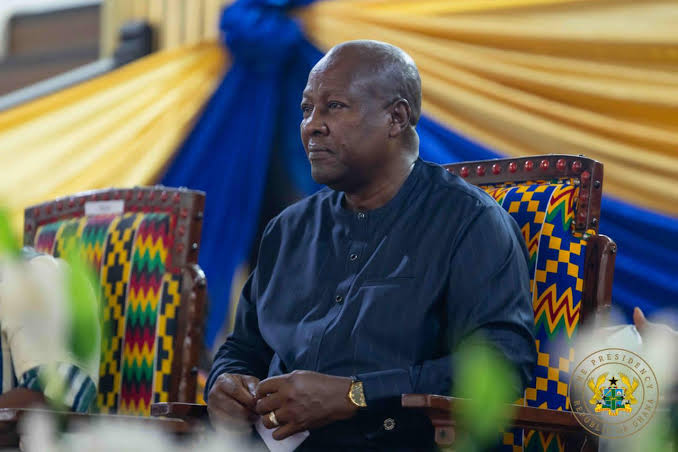
In a keynote address at the 77th Annual New Year School and Conference in Legon, President John Dramani Mahama placed environmental stewardship and climate resilience at the heart of his second‑term vision. He warned that Ghana cannot build “the Ghana we want” while degrading its natural base, naming illegal mining, deforestation and pollution as direct threats to food security, water systems, livelihoods and public health.
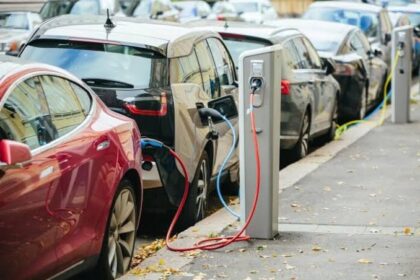
To confront these risks, Mahama announced a series of climate‑smart measures: stricter enforcement of sustainable mining practices, protection of forests and water bodies, and a bold target of 30 % renewable energy in the national mix by 2026. The President linked the energy shift to cost savings and environmental protection, emphasizing that expanding renewables will reduce dependence on expensive power sources while safeguarding the environment.
The administration’s concrete projects reinforce the rhetoric. At the Dawa Industrial Enclave, a 200 MWp Solar for Industries plant is being built in two phases, with the first 100 MWp expected online by December 2026 and the second 100 MWp to follow shortly after.
This utility‑scale solar farm, the largest private solar project in sub‑Saharan Africa outside South Africa, is presented as a “message that Ghana is prepared to lead the next phase of Africa’s industrial renaissance, energised by the sun”.
Mahama also unveiled a 20‑year Green Digital City spanning Greater Accra, Volta and Eastern regions. The city will be built on renewable energy, smart infrastructure and sustainable urban design, aiming to decongest Accra and serve as a model of climate‑resilient development.
He invited Chinese investors to partner in the venture, linking the project to Ghana’s broader “reset” agenda and the 24‑hour economy.
While the President highlighted these initiatives, analysts caution that illegal mining—particularly high‑tech galamsey—remains a serious obstacle. If unchecked, such activities could erode gains from the renewable push and undermine the country’s climate commitments.
Mahama concluded by calling for a national partnership that includes academia, the private sector, civil society, traditional leaders and the media to sustain the climate agenda. He stressed that the success of his second term hinges on collective discipline, unity and a long‑term commitment to protecting Ghana’s natural foundations.
Source: www.climatewatchonline.com