
News Desk Report
Ghana’s greenhouse gas emissions are not solely attributed to factories and vehicles; they are also closely tied to the country’s waste management, sanitation, and agricultural practices. Nowhere is this more critical than in Northern Ghana, where the region’s vulnerability to extreme weather and reliance on agriculture make it a hotspot for climate-related challenges.
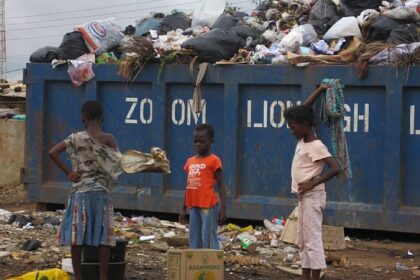
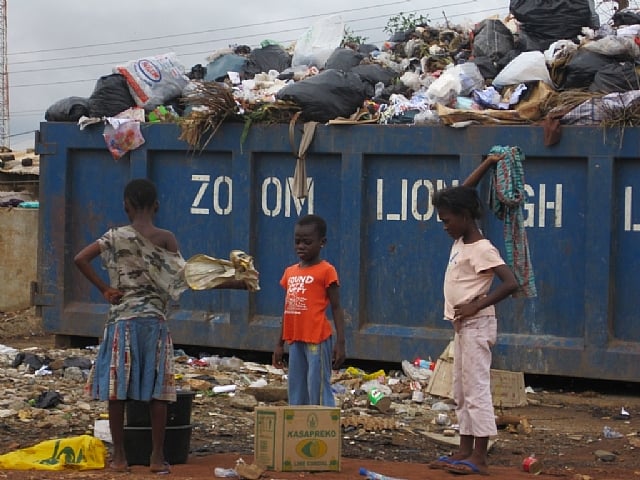
According to the Africa Environmental Health Organization (AFRENO), everyday systems in Ghana are contributing to the country’s climate woes. In many communities, septic tanks, wastewater ponds, and open dumpsters release methane as organic waste decomposes under low-oxygen conditions. Unmanaged solid waste in urban and peri-urban areas has become a major contributor to climate change.
For instance, in many northern communities, septic tanks, oxidation ponds, and stabilization ponds are used to manage liquid waste, generating methane (CH4) and nitrous oxides (N2O) under low-oxygen conditions.
The situation is particularly dire in urban areas like Tamale and Bolgatanga, where unmanaged dumpsites act as long-term methane reservoirs as organic waste breaks down over time. In rural areas, the overuse of synthetic fertilizers, poor manure management, and methane emissions from livestock and soil are degrading air and water quality. This affects not only farmers but also downstream communities that rely on shared water bodies, such as the White Volta.
The impact on public health is significant, with communities near poorly managed wastewater ponds or dumpsites facing risks from foul odors, airborne pathogens, and contaminated groundwater. Rising temperatures are amplifying dehydration and heat stress, particularly for those working outdoors, and creating an environment conducive to the spread of vector-borne diseases like Malaria.
However, solutions exist. Upgrading wastewater systems, promoting engineered landfills with gas recovery, investing in renewable energy, and adopting climate-smart agriculture can significantly reduce emissions while improving livelihoods. Strong enforcement of environmental regulations, coupled with community-based waste management and public education, is key to sustainable and equitable progress.
AFRENO emphasizes that addressing greenhouse gas emissions is not just a climate obligation; it is a public health, development, and environmental justice issue for Ghana. The organization calls for urgent action to address these challenges and promote sustainable development practices that prioritize the health and well-being of communities.
The Ghanaian government and stakeholders must work together to implement these solutions and create a healthier, more sustainable future for all Ghanaians. This will require a concerted effort to raise awareness, build capacity, and mobilize resources to address the complex challenges posed by climate change, waste management, and public health.
Source: www.climatewatchonline.com