
Visual Media Key to Boosting Climate Action in Ghana — Dr. Mark Terry
Report By: Ishmael Barfi
Accra, Ghana — Mark Terry, Executive Director of the United Nations Framework Convention on Climate Change (UNFCCC) Youth Climate Report, has called for greater use of visual media—particularly documentaries and film—to deepen public understanding of climate change and its human impact, especially on vulnerable groups such as farmers and persons with disabilities.
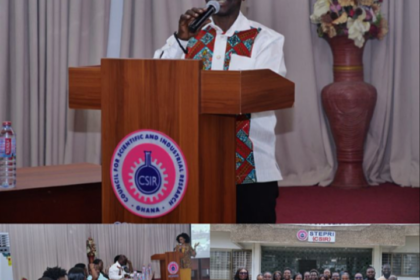
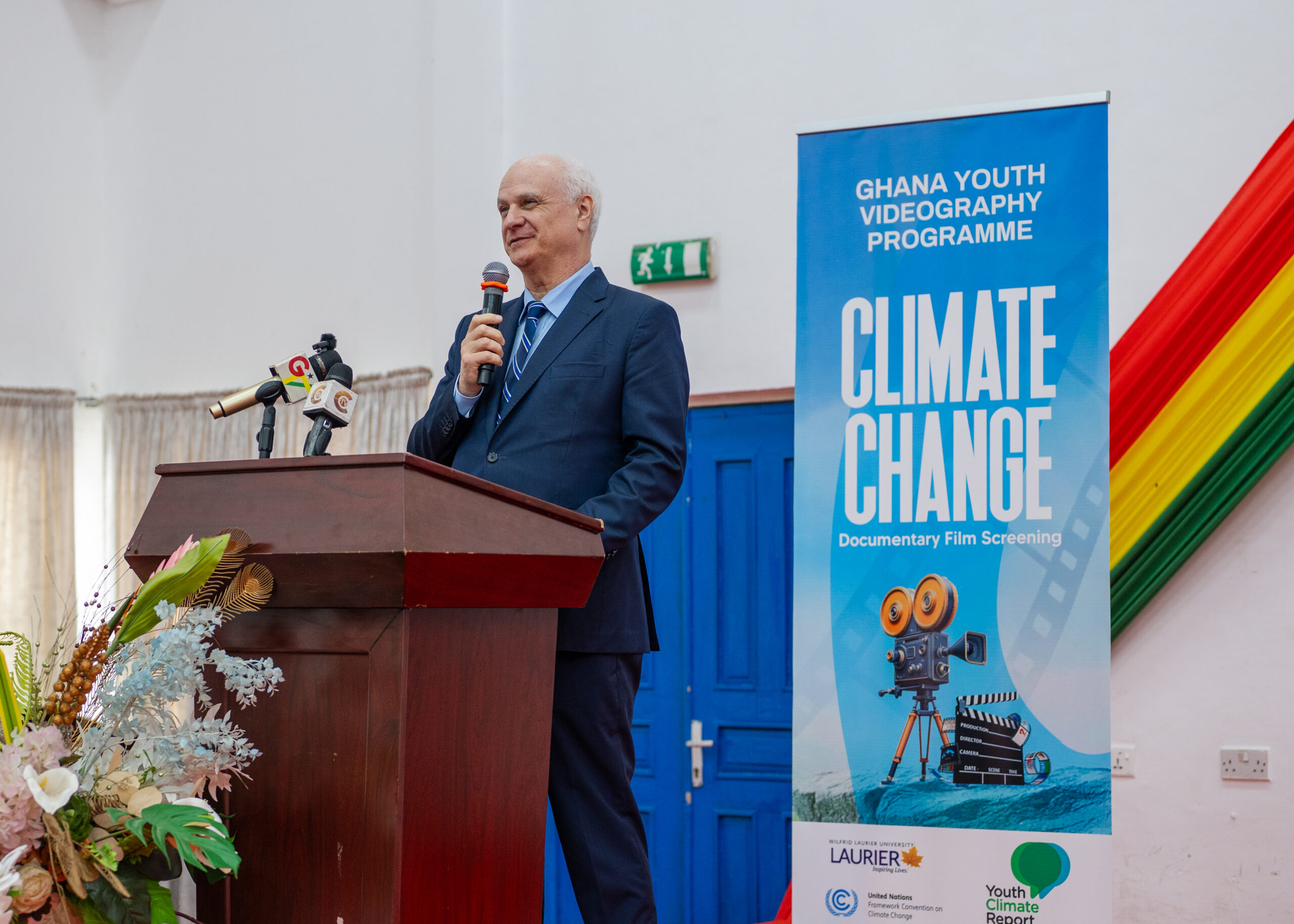
Speaking in an interview on the sidelines of the Ghana Youth Videography Programme in Accra, Dr. Terry stressed the need to move beyond data-heavy reports and incorporate more human-centered storytelling.
“We need to introduce more visible evidence to give policymakers a fuller understanding of the issue,” he said, noting that visual narratives can help bridge the gap between scientific research and policy action.
The programme featured documentary films produced by young climate advocates, with a particular focus on the experiences of persons with disabilities. It brought together policymakers, students, civil society actors, and other stakeholders in Ghana’s climate space.
Dr. Terry—also a Fellow of the Royal Society of Canada and an adjunct professor at York University and Wilfrid Laurier University—highlighted the limitations of relying solely on technical reports to inform decision-making.
“Many policymakers are not scientists, so they may struggle with complex academic papers filled with technical language,” he explained. “Visual media can communicate the human cost of climate change in ways that are immediate, accessible, and compelling.”
He argued that storytelling through film can put a human face to climate data, making the crisis more tangible and relatable. This, in turn, can support the development of inclusive and responsive policies that address the needs of those most affected.
The call comes as Ghana and other countries prepare for key global climate negotiations under the UNFCCC framework. Dr. Terry expressed hope that integrating visual storytelling into climate communication will strengthen advocacy efforts and promote evidence-based policymaking that reflects the lived realities of communities across the country.
Source: www.climatewatchonline.com