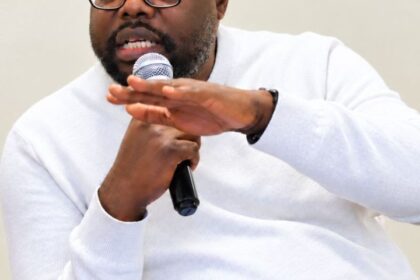

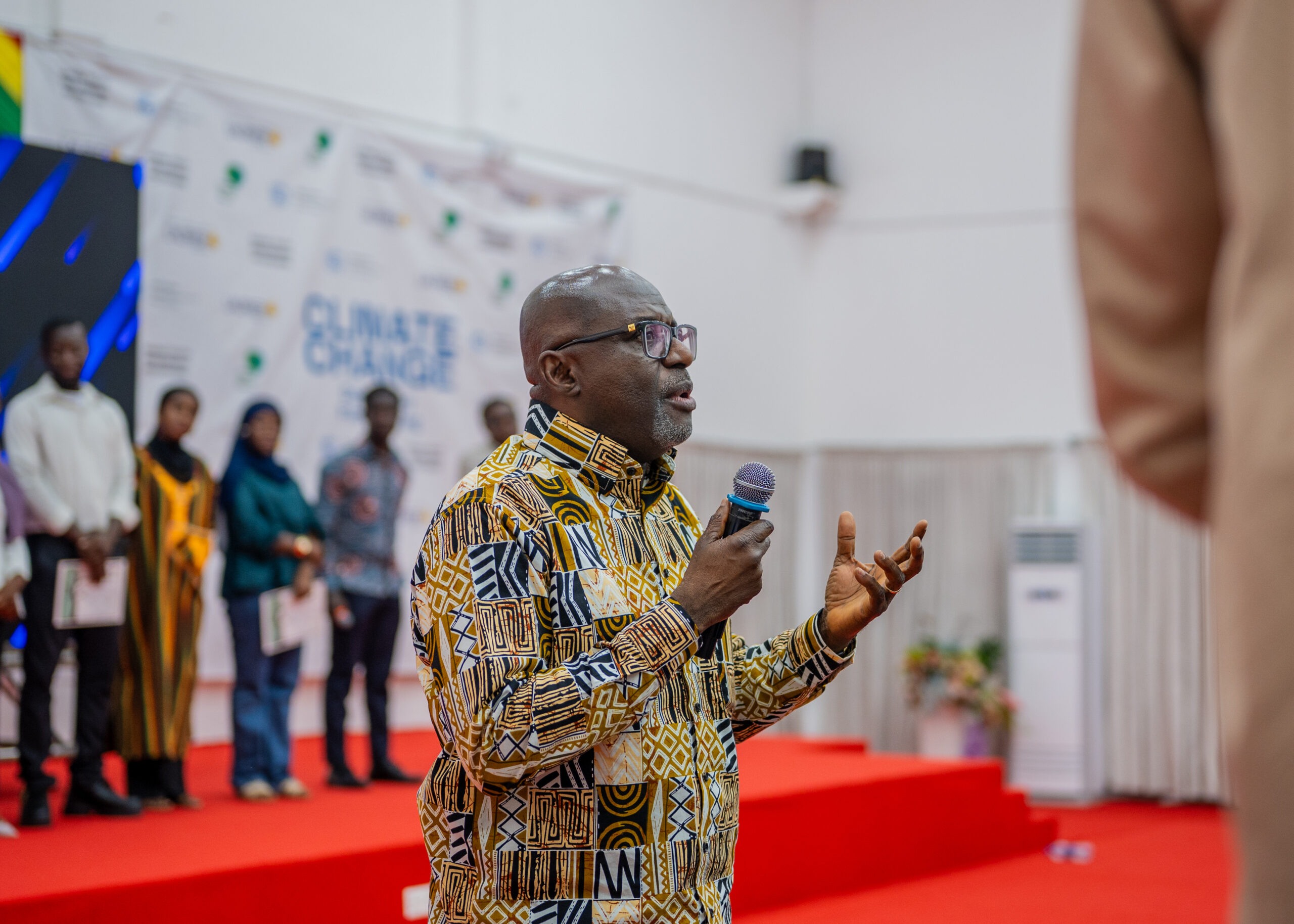
Accra, Ghana — Magnus Mfoafo-M’Carthy, a lecturer at Wilfrid Laurier University in Ontario, has called on Ghana to prioritise targeted support for persons with disabilities—particularly subsistence farmers—who are increasingly vulnerable to the impacts of climate change.
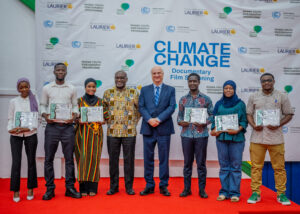
Speaking on the sidelines of the Ghana Youth Videography Programme in Accra, Prof. Mfoafo-M’Carthy noted that a significant number of persons with disabilities depend on small-scale farming for their livelihoods, making them especially exposed to erratic weather patterns and environmental shocks.
“Many depend on their farms, and with current climate challenges, they are being severely affected,” he said, pointing to the absence of tailored support systems to cushion these impacts.
He urged persons with disabilities to actively demand inclusion in climate planning and decision-making processes, stressing that their perspectives are essential to building effective and equitable responses. He also highlighted gaps in existing frameworks, including limited social protection measures and insufficiently inclusive policies, and called on disability-focused organisations in Ghana to strengthen their advocacy and support structures.
To address these challenges, Prof. Mfoafo-M’Carthy emphasised the need for sustained advocacy, public education, and targeted programmes that empower persons with disabilities. He underscored the importance of political will, noting that while Ghana participates in international climate discussions, more must be done to translate commitments into practical, community-level interventions.
“The key question is how we translate knowledge into action that truly impacts communities,” he said.
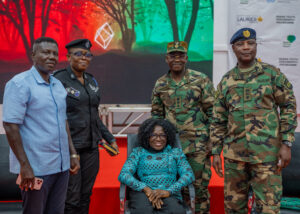
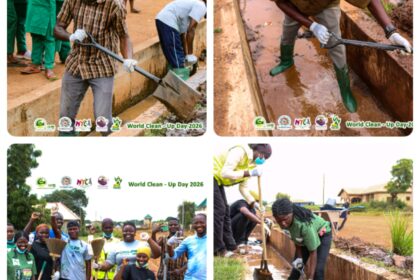
While based in Canada, Prof. Mfoafo-M’Carthy reaffirmed his Ghanaian identity and called for locally driven solutions. He highlighted practical interventions such as improved waste management practices, climate education, and community-led initiatives as effective entry points for building resilience. He also urged Ghanaians to take ownership of climate responses and reduce overreliance on external aid.
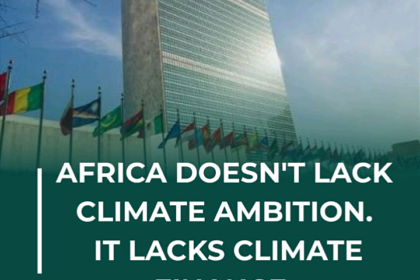
Extending his call beyond Ghana, he encouraged African countries to collaborate more closely and assertively advocate for meaningful climate action. According to him, structural challenges such as poverty and aid dependency often limit the continent’s ability to push for stronger accountability on the global stage.
The Ghana Youth Videography Programme featured documentary films produced by young climate advocates, focusing on the lived experiences of persons with disabilities. The event brought together policymakers, students, civil society actors, and other stakeholders, with Prof. Mfoafo-M’Carthy’s remarks shedding light on the often-overlooked realities of disability and climate vulnerability in Ghana’s agricultural sector.
Source: www.climatewatchonline.com