
Accra, Ghana — The Ghana Energy Transition Consortium has underscored both progress and persistent challenges in advancing a just and sustainable energy transition in Ghana.
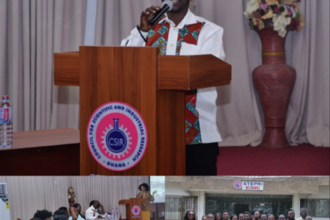
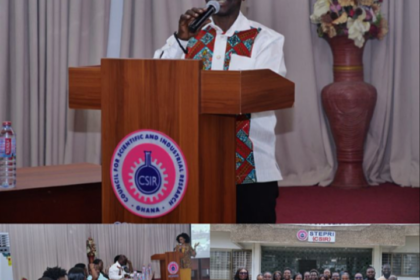
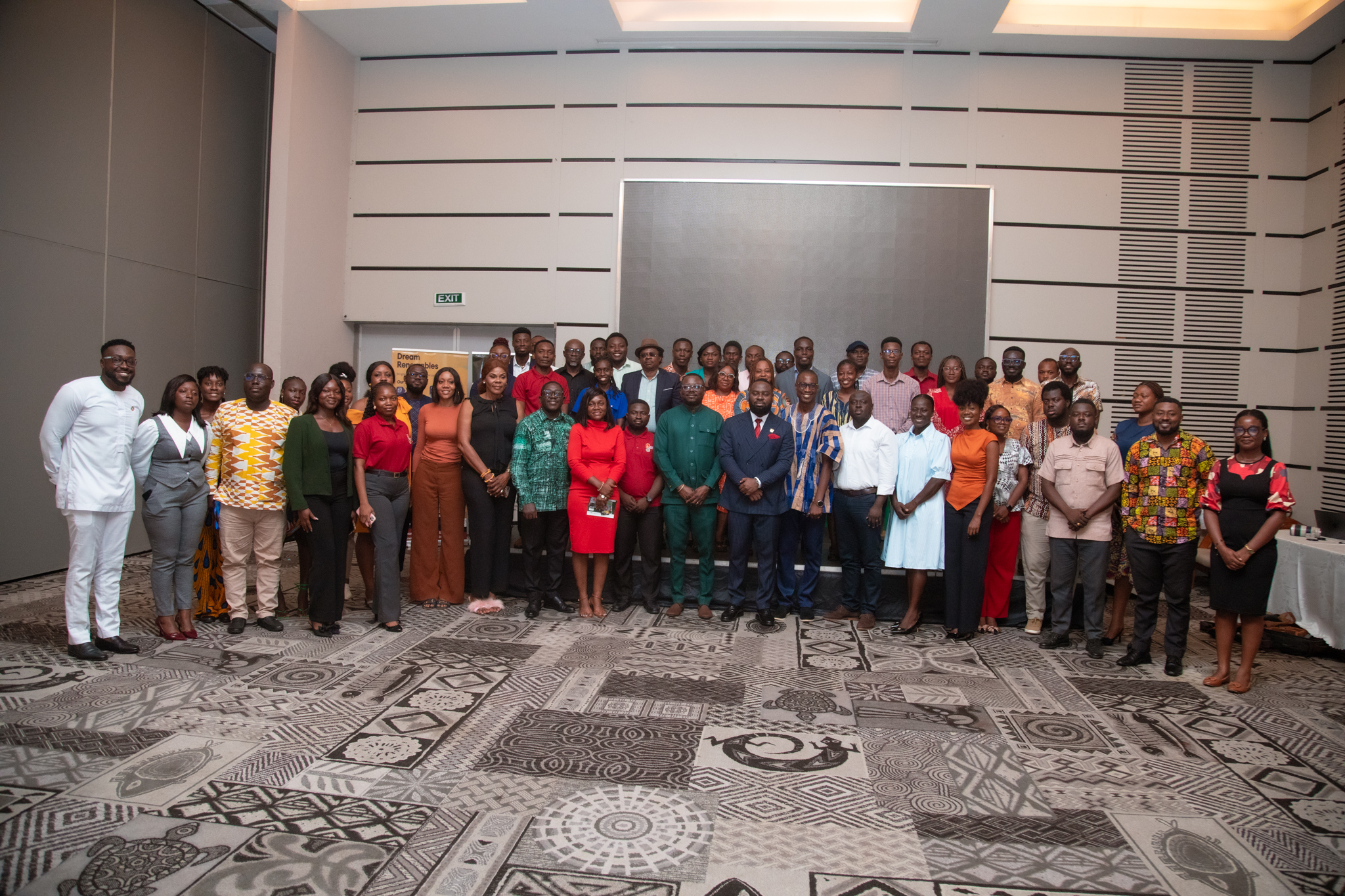
At a stakeholder meeting in Accra, the consortium—comprising civil society organisations including Bantu for Development, Dream Renewables, Green Faith Ghana and others—shared impact stories and best practices from their work in communities across the country. Their efforts span human rights advocacy, faith-based mobilisation, and research to inform national energy policies.
Chibezi Ezekiel, Executive Coordinator of the Strategic Youth Network for Development and Convener of the consortium, acknowledged Ghana’s strides in creating an enabling policy environment for energy transition, including regulatory measures to attract private sector participation.
However, he stressed that financing remains a major constraint. “We have made progress as a country in establishing the right frameworks, but increased funding is essential to accelerate implementation and scale impact,” he said.
The consortium is calling for enhanced technical support, stronger collaboration, and increased investment to move Ghana’s energy transition from policy development to tangible outcomes on the ground. It also emphasised the need to prioritise youth inclusion and job creation as central pillars of the transition.
“The transition must translate into real opportunities for young people. It is about jobs, innovation, and building a resilient economy,” Ezekiel noted, highlighting ongoing efforts to promote entrepreneurship and creativity among Ghana’s youth.
While acknowledging policy advancements, the consortium stressed that the next phase must focus on implementation. Stakeholders called for concrete actions to ensure that energy transition strategies deliver measurable benefits for communities and contribute to sustainable development.
The meeting forms part of ongoing efforts by the consortium to strengthen collaboration among civil society actors and reinforce their role as active contributors to Ghana’s energy transition, beyond advocacy and accountability.
Source: www.climatewatchonline.com