
By: Anabel Ami Galley, BSc. Earth Science – Volunteer
Water is one of the most valuable natural resources on Earth and remains essential for the survival of all living organisms. Human beings, animals, and plants all depend on water for growth, development, and the continuation of life. Beyond survival, water plays a central role in homes, industries, agriculture, transportation, and the maintenance of environmental balance. It is therefore more than just a necessity; it is the foundation of health, productivity, and sustainable development. Without water, life as we know it would cease to exist.
The importance of water becomes even clearer when we consider its role in the human body. On average, the human body is made up of about 60% water, although this varies according to age, sex, and body composition. Infants, for instance, have a higher water composition of about 70% to 75%, while adults generally have lower percentages due to increased fat content. Different organs of the body also contain significant amounts of water.
The brain and heart contain approximately 73% water, the lungs about 83%, the skin around 64%, and muscles and kidneys nearly 79%. Even bones, which are often perceived as completely solid, contain about 31% water. These figures highlight how vital water is to the proper functioning of the body.
Water performs several life-sustaining functions within the human body. It helps regulate body temperature through sweating and respiration, ensuring that the body maintains a stable internal environment. Water also serves as a major component of blood, helping to transport nutrients, oxygen, and hormones throughout the body. In addition, it supports the removal of waste products through urine and bowel movements, reducing the risk of constipation and aiding the kidneys in filtering toxins from the body.
Water is equally important for digestion, as it helps break down food and enables nutrients to be absorbed efficiently. It lubricates joints, moistens sensitive areas such as the eyes, nose, and mouth, and cushions delicate organs like the brain and spinal cord. Most importantly, adequate water intake helps prevent dehydration, making it necessary for individuals to drink enough clean and safe water every day to maintain good health.
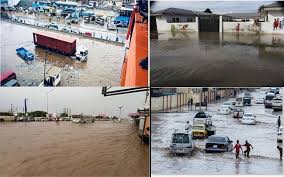
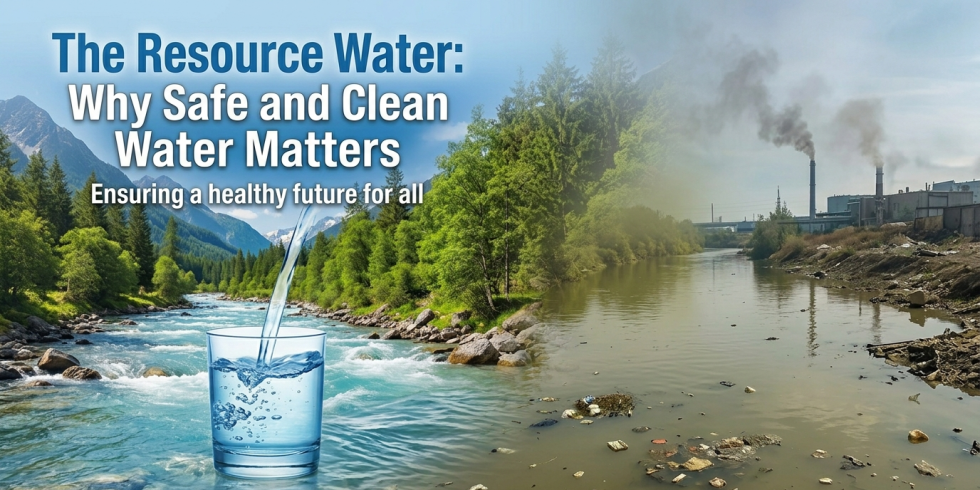
Despite its importance, not all water is safe for human use. Water is naturally renewed through the hydrological cycle, but human activities continue to pollute water bodies and make them unsafe for consumption and other domestic purposes. Water contamination occurs when harmful substances enter rivers, lakes, groundwater, and reservoirs. One major cause of pollution is the improper disposal of waste, including plastics, cans, and household refuse, into rivers, streams, and drainage systems. Such practices not only pollute water but also block waterways and contribute to flooding.
Poor sanitation and open defecation also pose serious threats to water safety. These practices introduce harmful bacteria, viruses, and parasites into water sources, increasing the spread of disease. Industrial activities further contribute to water pollution when factories discharge untreated chemicals, oils, dyes, and toxic substances into rivers and streams.
Agricultural activities are another major source of contamination, as fertilizers, herbicides, and pesticides used on farms are often washed into nearby water bodies during rainfall. Mining operations can release dangerous heavy metals such as mercury, arsenic, and lead into water systems, making them hazardous for human consumption. Additionally, oil leakages from vehicles, fuel stations, and ships contaminate water and damage aquatic ecosystems.
Everyday activities can also contribute to water pollution. Washing clothes, bathing, or cleaning vehicles directly in rivers and streams introduces soap, dirt, grease, and harmful germs into the water. Untreated sewage from homes and urban areas further contaminates rivers and lakes with disease-causing microorganisms. These actions collectively reduce the availability of clean and safe water for communities.
Unsafe water has serious consequences for human health, the environment, and national economies. One of the most alarming effects is the spread of waterborne diseases such as cholera, typhoid fever, diarrhea, dysentery, hepatitis A, bilharzia, and other parasitic infections. These diseases can cause severe illness and even death, particularly among children and vulnerable populations. Polluted water also threatens aquatic life by reducing oxygen levels and introducing toxic substances that kill fish and other organisms living in water bodies.
Contaminated water often develops bad odours, unpleasant tastes, and dirty appearances, making it unsuitable for domestic use. Economically, polluted water increases healthcare costs, demands expensive treatment processes, and contributes to the destruction of ecosystems that communities depend on for livelihoods. As more rivers, lakes, and groundwater sources become polluted, the availability of safe water continues to decline, creating shortages that affect both urban and rural populations.
Ensuring access to safe water requires collective responsibility from individuals, communities, industries, and governments. Households can contribute by boiling or treating water before drinking when necessary, storing water in clean covered containers, and using clean cups or ladles instead of dipping hands into storage containers. Communities must also protect water sources from pollution by promoting proper waste disposal and ending open defecation through the construction and use of sanitary toilet facilities.
Industries and mining companies should be required to treat waste before discharge, while farmers should adopt responsible practices in the use of fertilizers and pesticides. Authorities must enforce environmental laws that protect rivers, lakes, wetlands, and other water bodies from pollution and encroachment. Regular cleaning of water storage facilities, public education on sanitation and water conservation, and tree planting to protect watersheds and reduce erosion are equally important measures for preserving water quality.
Governments and communities must continue investing in water infrastructure to ensure that every citizen has access to reliable, affordable, and safe water. Clean water is not only a human necessity but also a fundamental human right. Protecting water today means securing a healthier and more sustainable future for generations to come. Every action taken to conserve and protect water resources contributes to the wellbeing of humanity and the preservation of the environment.
Reference
U.S. Geological Survey. (2019, May 22). The Water in You: Water and the Human Body. U.S. Department of the Interior.
U.S. Geological Survey Reference
Source: www.greenad.org