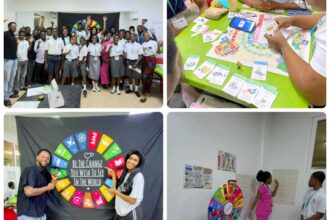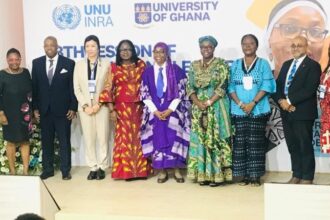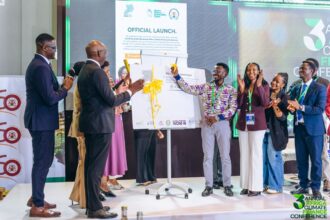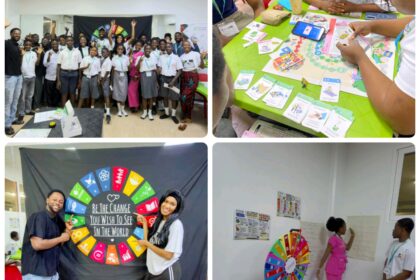

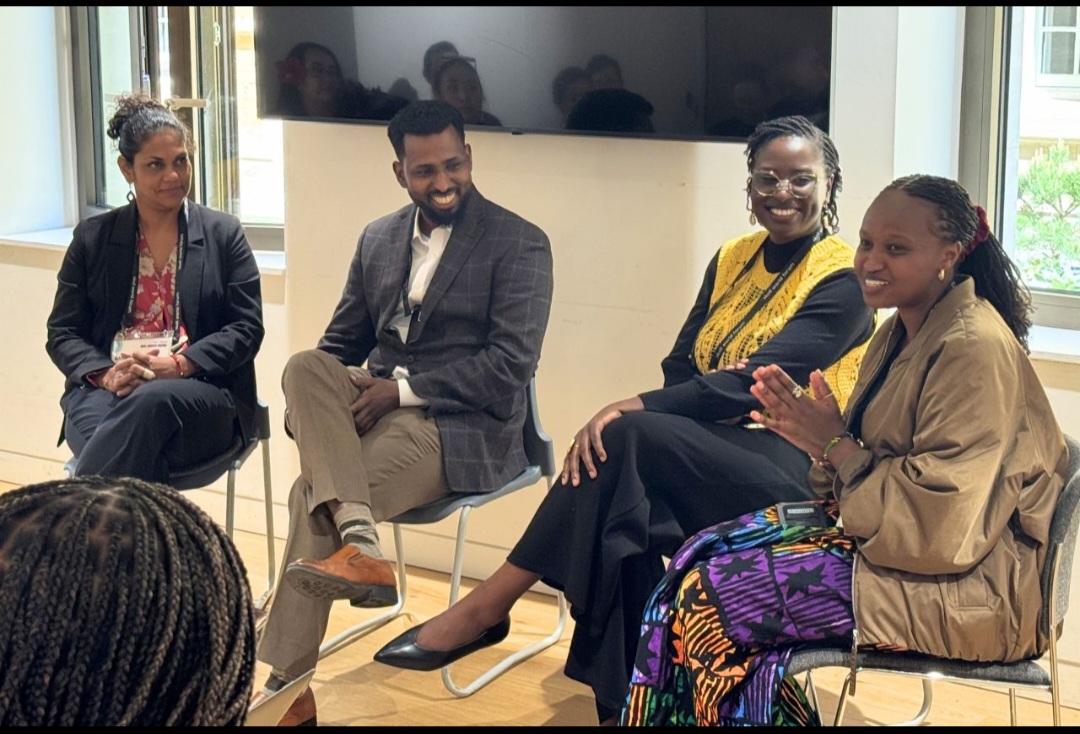
Africa’s transition to a green economy must go beyond climate action to address jobs, equity, and economic transformation, according to discussions at a side event organised by the Green Africa Youth Organization (GAYO) during Skoll Forum Week 2026.
The event, themed “Skills for Africa’s Green Transition: Building the Workforce Pipeline for a Just and Inclusive Future,” focused on the need to equip young people and vulnerable communities with the skills and opportunities required to participate meaningfully in Africa’s emerging green economy.
Participants highlighted projections that Africa’s green economy could create up to 3.3 million direct green jobs by 2030, particularly in sectors such as renewable energy, e-mobility, climate-smart agriculture, sustainable construction, manufacturing, and waste management.
However, speakers stressed that the continent’s green transition can only be considered just and inclusive if it reflects the realities of Africa’s economy, where informal employment continues to dominate livelihoods for millions of people.
According to the International Labour Organization (ILO), informal work remains a defining feature of employment across Africa, especially among women and young people.
GAYO noted that discussions around green growth and climate action must move beyond policy conversations toward practical implementation capable of creating sustainable livelihoods and economic opportunities for local communities.

“The future of green is not a separate sector; it is the future of every sector,” the organisation stated.
“The real task is to ensure Africa’s young people and frontline communities are not merely included in that future, but equipped and trusted to build it,” it added.
The organisation said its approach prioritises the intentional inclusion of young people, women, informal workers, persons with disabilities, rural communities, and members of the African diaspora in shaping and accessing opportunities within the green economy.
According to GAYO, the next phase of its work will focus on strengthening skills-to-jobs pathways, supporting youth-led climate enterprises, and building practical systems that connect training, finance, policy, and community action.

The organisation also emphasised the importance of partnerships among governments, civil society organisations, development institutions, and the private sector in ensuring that Africa’s green transition delivers both environmental and socioeconomic benefits.
GAYO said it remains committed to supporting practical and inclusive models capable of empowering young Africans to lead climate action while driving sustainable development across the continent.
Source: www.climatewatchonline.com