
Accra, Ghana – Ghanaian banks need to move beyond treating Environmental, Social and Governance (ESG) principles as a reporting requirement and begin integrating them directly into credit assessment, portfolio management and financial decision-making, according to Justice Akoto, a Chartered Environmentalist.
Mr Akoto said ESG should serve as a practical lens through which financial institutions identify risks, assess opportunities and determine the long-term value and resilience of businesses and projects they finance.
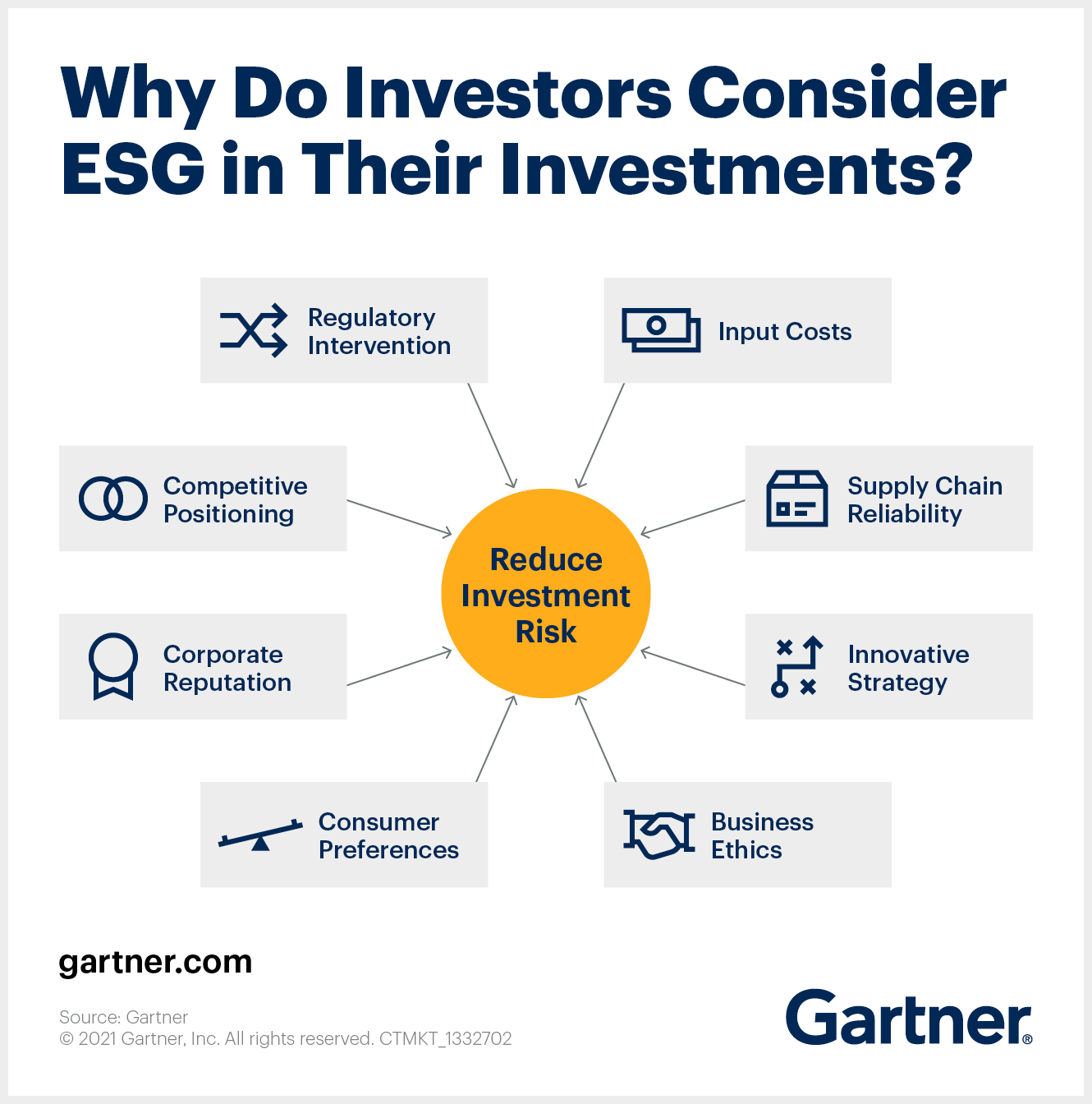
He said environmental, social and governance factors can have direct implications for banks’ financial performance, including credit quality, collateral values, operating costs and institutional reputation.
“ESG is not simply a reporting vocabulary; it is a lens for understanding risk, opportunity and long-term value,” Mr Akoto said.
Climate risks can become financial risks
For Ghanaian banks, he identified climate change, flooding, water stress, pollution and biodiversity loss among the environmental risks that can affect borrowers and, ultimately, financial institutions.
Social risks include labour practices, human rights, community impacts, health and safety and financial inclusion, while governance risks cover areas such as ethics, corruption, accountability, data quality and regulatory compliance.
According to Mr Akoto, these risks should not be considered separate from conventional banking risks because they can directly affect the ability of borrowers to repay loans and maintain the value of assets used as collateral.
A flood, for instance, can damage a borrower’s physical assets and disrupt business operations, while drought can affect agricultural production and reduce the cashflows of farming and agribusiness clients.
Weak corporate governance, he added, can expose businesses to fraud, regulatory breaches and poor decision-making, potentially increasing credit and operational risks for their lenders.
Materiality at the centre of ESG decisions
Mr Akoto said the key question for banks should be materiality — identifying which ESG issues are capable of influencing a client’s financial performance or the bank’s risk profile.
This requires financial institutions to assess the specific environmental, social and governance factors associated with individual borrowers, sectors and transactions rather than applying ESG as a generic checklist.
He also highlighted the concept of double materiality, which considers both how sustainability issues affect a financial institution and how its financing decisions affect people, communities and the environment.
The approach, he said, can help banks understand the two-way relationship between financial risk and sustainability impacts.
For example, financing activities in a climate-vulnerable sector may expose a bank to financial risks while the financed activity itself could generate environmental or social impacts that need to be assessed and managed.
Bringing ESG into the credit process
Mr Akoto said ESG considerations should be incorporated into the core banking process rather than remaining largely within sustainability reports.
He identified areas including credit memos, customer due diligence, sector risk assessments, portfolio monitoring and product design as key points where ESG information can influence financial decisions.
The objective, he said, should be to convert ESG data into practical questions that financial institutions can use when evaluating borrowers and investments.
These include:
- What could go wrong?
- Who is exposed?
- What is the financial impact?
- What can we finance to build resilience?
Such an approach would enable banks to move from simply identifying sustainability risks to considering how financial products and investment decisions could help borrowers strengthen their resilience.
From ESG frameworks to financial action
Mr Akoto argued that the existence of an ESG policy or framework should not, on its own, be considered evidence that a bank is effectively managing sustainability-related risks.
Instead, financial institutions should examine whether ESG information actually changes lending, investment and portfolio decisions.
His position reflects a broader shift in sustainable finance towards integrating environmental and social considerations into mainstream financial risk management.
For Ghanaian banks, this could mean considering climate exposure when assessing agricultural and infrastructure borrowers, examining governance risks when evaluating companies, and incorporating social factors into customer and project due diligence.
The approach also creates opportunities for banks to develop financial products that support climate resilience and sustainable economic activity.
The central test, Mr Akoto said, should therefore not be whether a bank has an ESG framework, but whether that framework influences what and how it finances.
“Stop asking, ‘Do we have an ESG framework?’ Start asking, ‘How does ESG change our next financial decision?’”
Source: www.climatewatchonline.com