
Written by: Yolanda Araba Aidoo, Focal Point of Mission 300 at SYND
ACCRA, Ghana, September 14, 2026— Ghana has completed 32 of the 53 action items under its National Energy Compact, but financing constraints and delays in infrastructure delivery remain major obstacles to achieving universal electricity access by 2030.
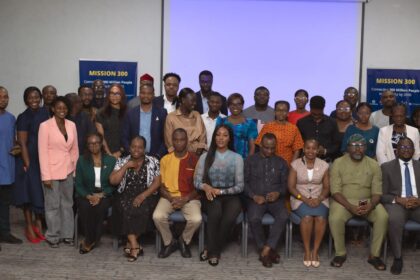
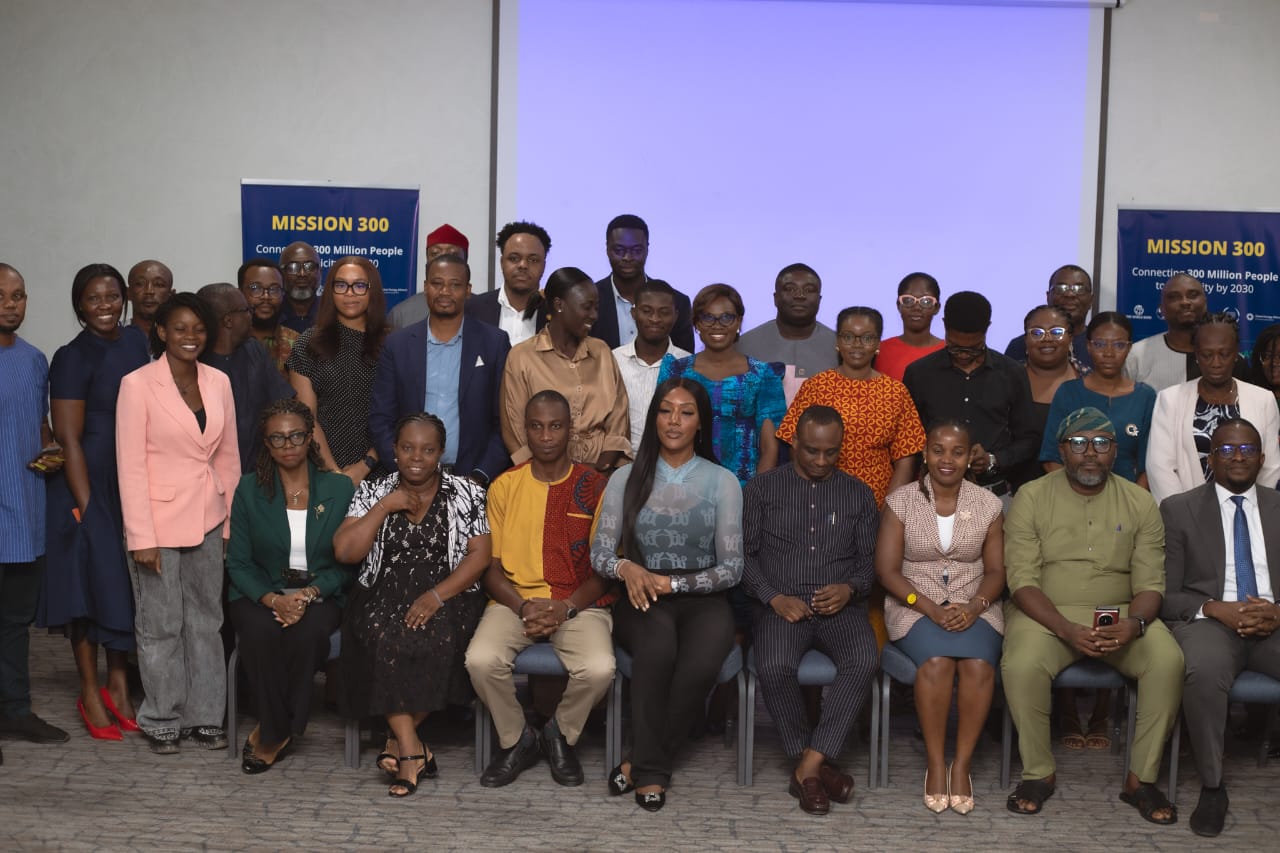
The progress was highlighted at a two-day Multistakeholder Consultative Workshop on Ghana’s Compact Implementation Support, held on July 22 and 23, 2026, to assess implementation of the Compact and set priorities for its second year.
Ghana’s electricity access rate has risen to approximately 89.13 per cent, with 13 of the Compact’s 16 priority actions also completed since implementation began in 2025.
The National Energy Compact forms part of Mission 300, a joint initiative of the World Bank Group and African Development Bank aimed at connecting 300 million Africans to electricity by 2030.
The workshop brought together representatives from the Ministry of Energy and Green Transition, Ministry of Finance, African Development Bank, Sustainable Energy for All (SEforALL), Public Utilities Regulatory Commission (PURC), Energy Commission, GRIDCo, development partners, civil society organisations and the private sector.
Financing remains a key constraint
Participants noted that while policy, planning and regulatory reforms have recorded significant progress, the implementation of physical infrastructure has been slower, largely because of financing constraints.
The discussions identified financing gaps, delayed project approvals, stakeholder communication challenges and weaknesses in monitoring and evaluation as key issues requiring attention during the Compact’s second year.
Progress was also reported in renewable energy deployment, including mini-grids and solar home systems, alongside efforts to improve clean cooking standards and regional power integration.
The Compact is built around six strategic pillars covering electricity access, renewable energy, regional electricity integration, utility performance, private investment and gender inclusion.
Private investment critical to delivery
The workshop highlighted the private sector as an important source of capital for expanding renewable energy, battery storage, mini-grids and clean cooking solutions.
Participants stressed the need for investment frameworks that can attract private capital while protecting affordability and ensuring that energy investments contribute to Ghana’s broader development priorities.
The discussions also examined efforts to strengthen least-cost power system planning, improve the financial sustainability of utilities and create greater opportunities for private-sector participation.
CSOs urged to strengthen monitoring
Civil society organisations were encouraged to better document their contributions to renewable energy, clean cooking, community electrification, advocacy and public education.
Participants noted that national renewable energy figures capture contributions from government, businesses and civil society, making stronger documentation important for ensuring that CSO interventions are reflected in national reporting.
Beyond implementation, CSOs were identified as important partners in promoting accountability, citizen participation and independent monitoring of the National Energy Compact.
Priorities for second year
The Compact Delivery and Monitoring Unit (CDMU), Ministries, Energy Commission and GRIDCo agreed on a number of priorities for the next phase of implementation.
These include strengthening the CDMU, improving monitoring and evaluation systems, assigning institutional responsibility for key performance indicators, addressing financing and approval bottlenecks, upgrading digital monitoring platforms and exploring innovative energy solutions, including waste-to-energy.
Improved communication between government institutions and development partners was also identified as necessary to maintain implementation momentum.
With electricity access currently below universal coverage, participants stressed that Ghana’s next phase must focus on translating policy commitments into physical projects and services.
The workshop concluded with a renewed commitment among government, development partners, private-sector actors and civil society to work together to accelerate implementation.
As Ghana advances its National Energy Compact under Mission 300, the challenge is increasingly one of delivery—mobilising investment, resolving implementation bottlenecks and ensuring that reliable, affordable and sustainable electricity reaches communities that remain underserved.
Source: www.climatewatchonline.com