
Report by: Godsway Adzornu
ACCRA, October 31, 2026 – Communities that contribute relatively little to climate change often bear a disproportionate share of its consequences, particularly because of their limited capacity to prepare for and recover from climate-related disasters.
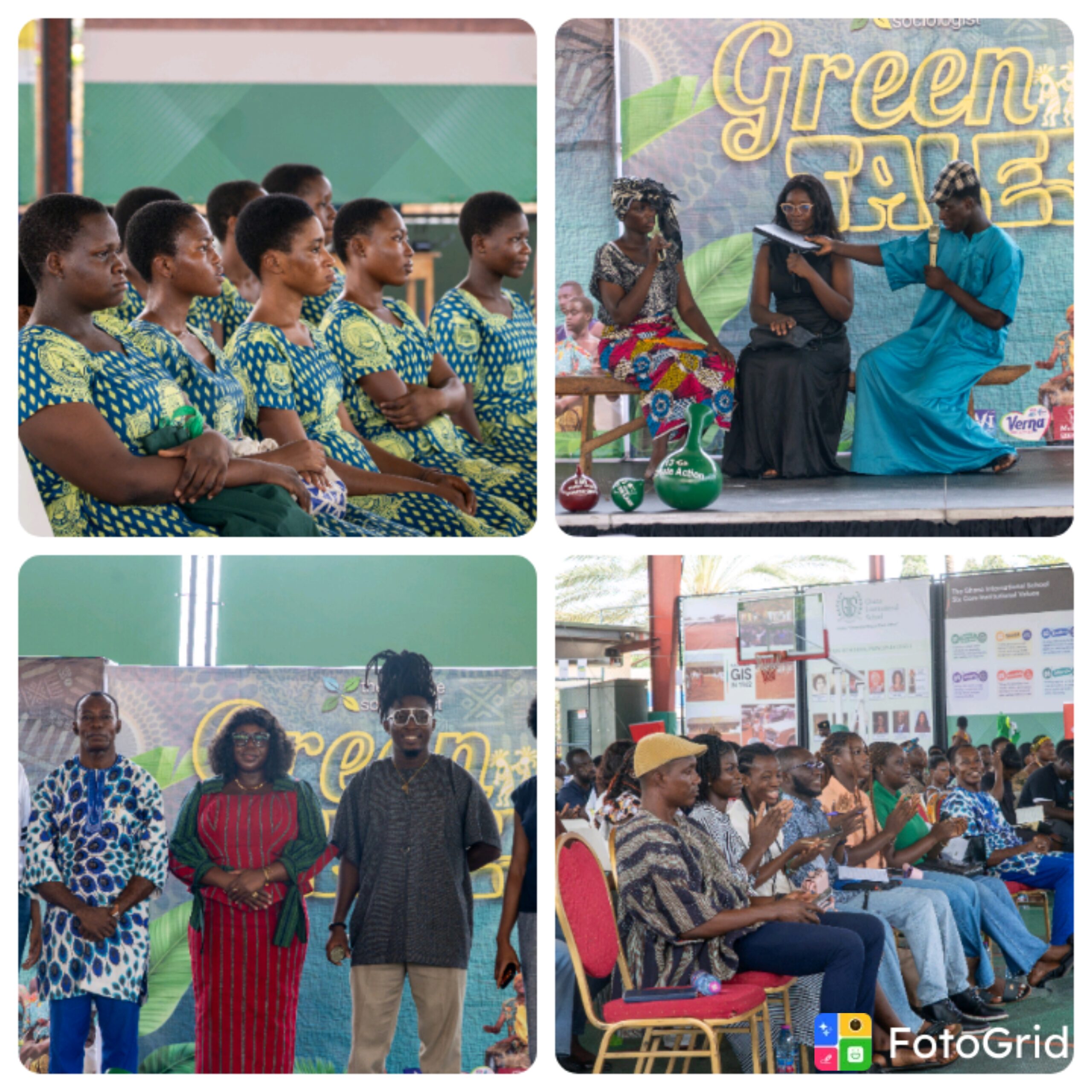
This concern featured prominently at the third-anniversary celebration of Green Tales, the flagship climate education programme of The Climate Sociologist, held at Ghana International School (GIS) in Accra on Friday, October 30.
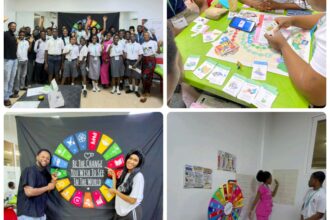
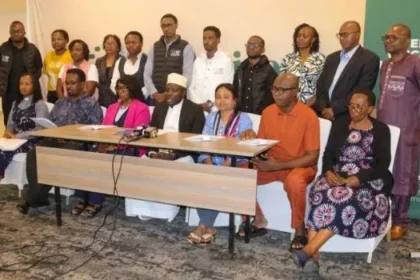
The event, organised under the theme “Championing Education and Culture for Climate Justice,” brought together students from six senior high schools, educators, climate advocates and other stakeholders to examine the connections between climate change, education, culture and social justice.

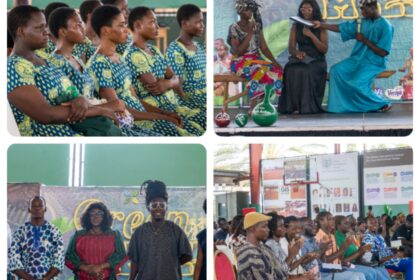
The celebration combined climate education, games and creative arts to deepen young people’s understanding of environmental challenges and encourage them to communicate climate messages through competitions, drama, poetry, spoken-word performances and visual arts.
Climate change threatens livelihoods and coastal communities
A major highlight was a presentation by Dr Emmanuel Tachie-Obeng, who examined the causes and effects of climate change in Ghana.
He explained that climate change involves long-term changes in temperature, rainfall and other weather patterns, identifying human activities such as burning fossil fuels, deforestation and unsustainable farming practices as major contributors to global warming.
He highlighted challenges facing Ghana, including irregular rainfall, drought, flooding, water shortages and coastal erosion, noting their implications for agriculture, fishing, food security and the livelihoods of affected communities.
Drawing attention to coastal communities such as Keta and Ada, Dr Tachie-Obeng discussed the threats posed by coastal erosion, rising sea levels and flooding.

He emphasised that climate change extends beyond environmental concerns, describing it as a social and economic challenge with significant consequences for communities, livelihoods and national development.
Climate justice and the role of young people
The presentation also highlighted the importance of climate justice, particularly the unequal distribution of climate change impacts.
Communities and countries that contribute relatively little to global climate change often experience severe consequences despite having fewer financial and institutional resources to prepare for, respond to and recover from climate-related disasters.
The discussion underscored the need to protect vulnerable populations and ensure that young people have meaningful opportunities to participate in climate discussions, policy decisions and the development of practical environmental solutions.

It further emphasised the importance of equipping the next generation with the knowledge and skills to contribute to climate policies, environmental protection and sustainable development.
Indigenous knowledge offers lessons for environmental protection
Dr Tachie-Obeng also highlighted the importance of Ghanaian culture and indigenous knowledge in promoting environmental sustainability.
He cited traditional practices such as protecting sacred groves and observing customary restrictions on fishing and farming as examples of how communities have historically managed natural resources.
He encouraged participants to appreciate and preserve these practices while integrating them with modern scientific knowledge to address contemporary environmental challenges.
The presentation reinforced the value of indigenous knowledge as a resource for environmental protection and sustainable natural resource management.

Eight senior high schools participate
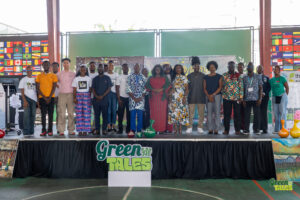
Students from six senior high schools participated in the celebration: Presbyterian Boys’ Senior High School (PRESEC-Legon), Accra Academy, Labone Senior High School, Achimota Senior High School, Accra Girls’ Senior High School and Adjen Kotoku Senior High School, Ebenezer SHS and Teshie Presbyterian SHS.
The schools took part in activities designed to promote climate literacy, inter-school learning and healthy competition.
The climate literacy quiz assessed students’ knowledge of climate change, global warming, environmental protection and sustainable development, while drama, poetry, spoken-word performances and visual arts provided creative platforms for communicating environmental messages.
The participation of the schools highlighted the role of educational institutions in developing environmentally conscious young people capable of engaging with climate challenges.
The Climate Sociologist advances climate education through culture
Green Tales is the flagship climate education programme of The Climate Sociologist, a youth-led organisation committed to environmental education, climate advocacy, youth empowerment, cultural engagement and community-based research.
The organisation seeks to simplify climate education, promote culture, inspire young leaders and develop socially relevant responses to environmental challenges, one community at a time.
By combining climate knowledge with games, drama, poetry and visual arts, Green Tales creates opportunities for young people to connect environmental issues with their cultural identities and everyday experiences.
The third-anniversary celebration reinforced the importance of making climate education accessible beyond scientific and environmental professional circles while recognising young people as important contributors to climate solutions.
As Ghana continues to confront climate-related challenges, initiatives such as Green Tales highlight the need to strengthen environmental education, preserve indigenous knowledge and embrace creative approaches to climate advocacy.
Ultimately, the celebration reinforced an important message: climate justice must go beyond raising awareness to ensuring that vulnerable communities are protected, young people are empowered and indigenous knowledge is recognised in building a sustainable and climate-resilient future.
Source: www.climatewatchonline.com