
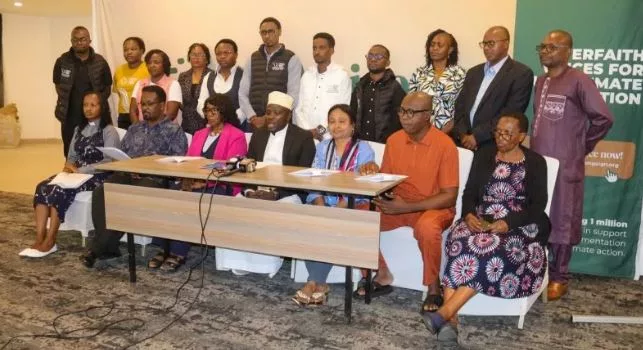
NAIROBI, Kenya, October 26, 2026 — African faith leaders have called for urgent climate action, accessible climate finance and a just energy transition, urging world leaders to move beyond pledges and deliver tangible results for vulnerable communities ahead of COP31.
The call was made at a one-and-a-half-day gathering in Nairobi organised under the Africa Can’t Wait Campaign, bringing together representatives of religious traditions, faith-based organisations, women, youth and community networks to discuss climate implementation, accountability and justice.
The participants described climate change as an environmental, moral and structural crisis, citing droughts, floods, displacement, food insecurity, biodiversity loss and declining livelihoods across Africa. They stressed that communities contributing least to global emissions often bear the greatest impacts.
Sheikh Kinyua Hassan, Chairman of Muslim Professionals Africa, said COP31’s success must be measured by tangible improvements in the lives of affected communities, stronger resilience and progress towards climate justice.
Adaptation must reach vulnerable communities
The leaders identified adaptation as a priority for Africa, given its dependence on climate-sensitive sectors and high levels of poverty.
Rev. Phyllis Boche, Chairperson of the Organisation of African Instituted Churches (OAIC), called for measurable adaptation progress, adequate financing and locally led interventions that benefit frontline communities, particularly women, young people and persons with disabilities.
She warned that without effective implementation and accessible funding, global adaptation goals risk remaining commitments without meaningful benefits for communities.
Stronger support needed for loss and damage
The coalition expressed concern about the gap between financial pledges to the United Nations Loss and Damage Fund and the resources actually delivered.
Rev. Beatrice Ruara of the Anglican Church of Kenya urged countries to honour their pledges and called on developed nations to increase their contributions. She also stressed the importance of recognising non-economic losses, including damage to cultural and social identities caused by climate change.
Just transition must benefit Africa
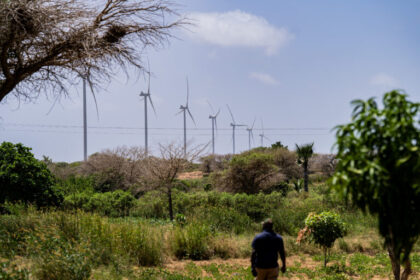
The faith leaders called for a shift towards equitable, low-carbon development that expands renewable energy, strengthens African technologies and supports green industrial growth.
Sujata Kotamraju, Chairperson of the Hindu Council of Kenya, said the transition must create opportunities rather than deepen inequalities, particularly in the extraction of critical minerals.
She emphasised the need for affordable clean energy and a fair opportunity for African countries to shape global energy transition policies.
Climate finance should not deepen debt
The coalition warned that climate finance must not worsen the debt burden of vulnerable African countries.
Teshome Amenu, Vice President for East Africa at the All Africa Council of Churches, called for grant-based funding to support adaptation, just transition and loss and damage.
The leaders also urged developed countries and international financial institutions to simplify access to climate finance, improve transparency and accountability, and direct adequate resources towards vulnerable communities.
They called for a fair allocation of climate finance, including increased support for adaptation and loss and damage, alongside measures to strengthen Africa’s economic transformation and resilience.
Protect nature through community-led action
The faith leaders called for locally led conservation and restoration to protect forests, wetlands, mangroves and other ecosystems that support livelihoods and strengthen resilience.
Rev. Okpara Joshua of the Christian Council of Nigeria said conservation initiatives must respect human rights, protect community land rights, incorporate Indigenous and local knowledge, and ensure meaningful participation by affected communities.
The coalition also called for adequate funding for conservation and rejected environmental degradation and destructive extractive practices.
Six demands for climate justice
In their closing declaration, the faith leaders committed to strengthening advocacy for just climate implementation, setting out six demands:
1. No extraction without African value.
2. No adaptation without finance.
3. No transition without justice.
4. No climate action that increases Africa’s debt.
5. No global climate governance without African agency.
6. No more pledges without delivery.
The leaders said COP31 must deliver concrete outcomes that protect vulnerable communities, strengthen resilience and give Africa a meaningful role in global climate decisions.
They also called for sustained accountability and implementation beyond COP31, including in the lead-up to COP32.