
Report By: Ishmael Barfi
The Accra Metropolitan Assembly (AMA) has outlined plans to divert at least 30 per cent of organic waste from landfill sites by 2030 through composting and anaerobic digestion as part of efforts to reduce methane emissions and promote sustainable waste management.
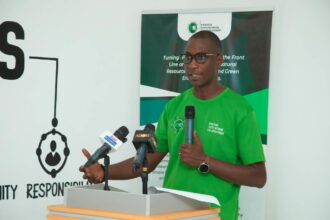
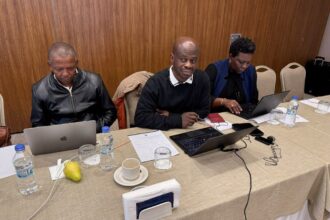
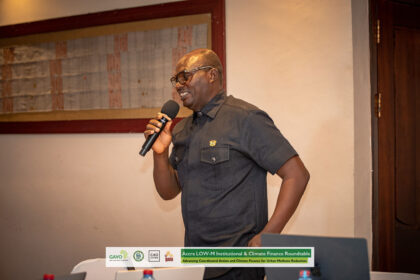
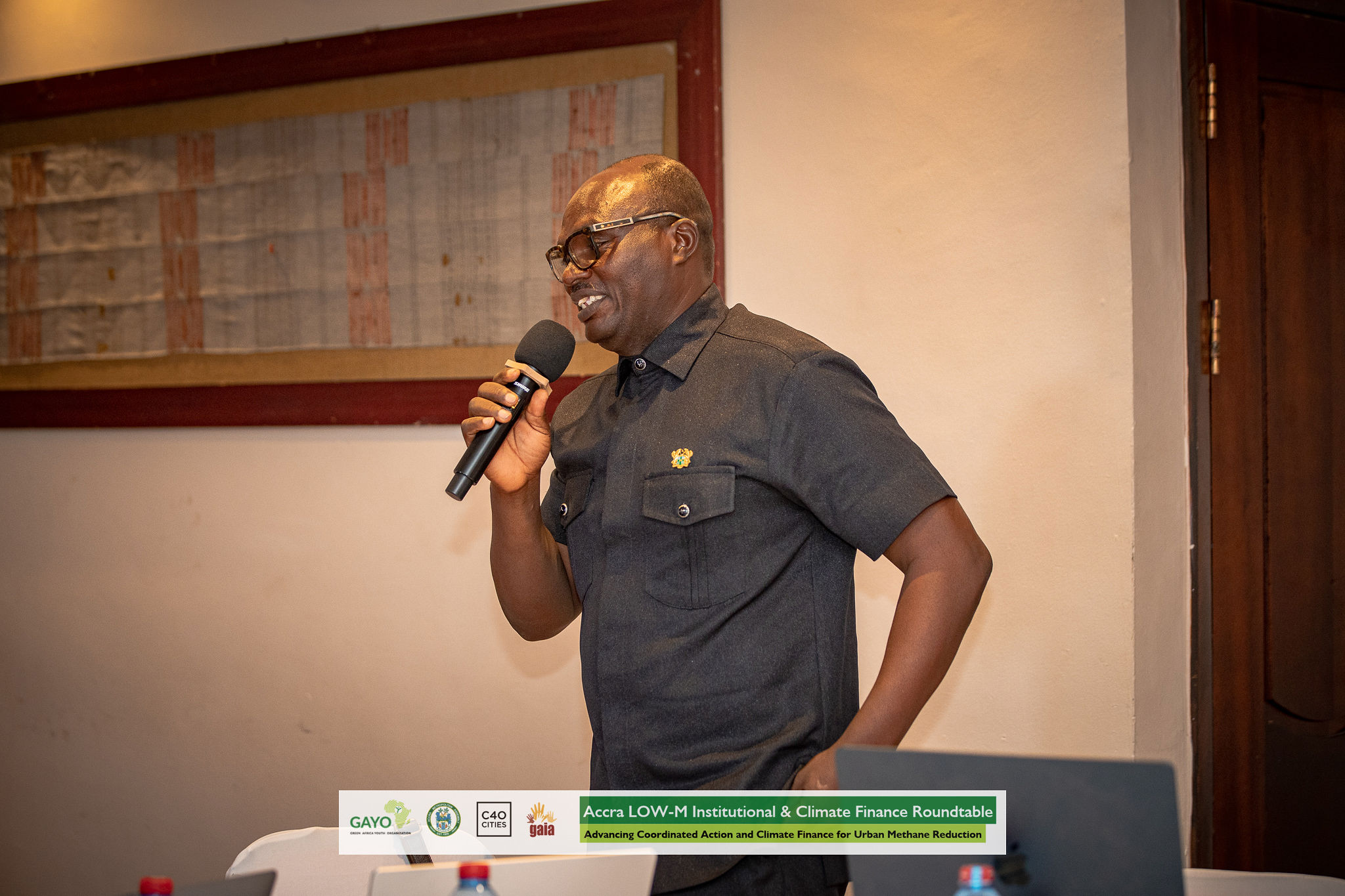
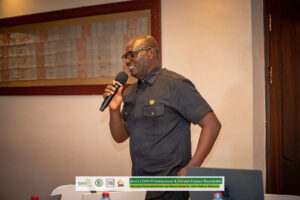
The priority goals and proposed interventions were presented by Ing. Robert Tetteh Cheetham of the AMA at the Accra LOW-M Institutional & Climate Finance Roundtable held by Green Africa Youth Organization (GAYO), alongside Accra Metropolitan Assembly, C40 Cities, and GAIA.
He further highlighted the need to minimise the volume of organic waste sent to landfills, where its decomposition generates methane, a potent greenhouse gas.
The initiative seeks to promote low-emission waste management systems, recover valuable resources from organic waste and support climate action and circular economy initiatives.
Under the first priority goal, the Assembly plans to allocate resources to support waste segregation and treatment systems, targeting 50 per cent of organic food waste generated by markets and large waste producers.
The plan also seeks to ensure that at least 30 per cent of organic waste generated across adjoining municipalities and public schools is treated.
To support these targets, the AMA intends to expand public education and community engagement programmes, train households and businesses in waste segregation, enforce local sanitation bylaws and invest in waste-processing infrastructure.

The proposed performance indicators include a 70 per cent increase in public awareness of source segregation and ensuring that 50 per cent of households and businesses correctly separate their waste.
The Assembly also aims to establish a low-emission organic waste treatment facility with a processing capacity of 200 tonnes per day by 2030.
The facility is expected to use composting and anaerobic digestion to produce organic fertiliser and capture biogas for renewable energy generation.
The plan further provides for city-wide public education campaigns on food waste and methane emissions, alongside annual monitoring and reporting of environmental performance.
According to the presentation, the expected outcomes include a fully functional 200-tonne-per-day composting and anaerobic digestion facility by 2030, increased treatment of organic waste from municipalities and public schools, and improved public understanding of the climate impacts of waste disposal.
The Assembly also intends to expand organic waste processing capacity to 400 tonnes per day by 2040.
The long-term objectives include reducing methane emissions, improving urban sanitation, recovering valuable resources through compost and biogas production, and strengthening Accra’s climate resilience and environmental sustainability.
The initiative reflects efforts to move beyond conventional waste disposal towards a circular economy approach in which organic waste is treated as a resource for producing fertiliser and renewable energy.