

Report By: Ishmael Barfi
The founder of SCOMA Innovation, Mary Awinim Ayariga, has encouraged young people to consider green entrepreneurship as a long-term pathway to building sustainable livelihoods while addressing environmental challenges in their communities.
She said the sector offered significant opportunities for income generation and job creation but required commitment, innovation and greater public understanding of sustainable business practices.
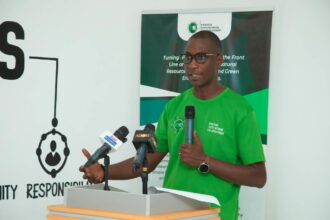
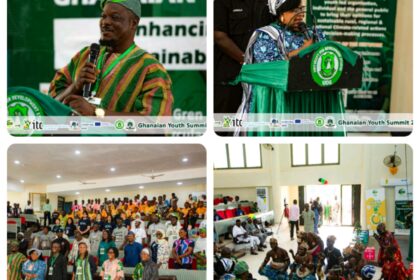
Speaking on the sidelines of the Green Africa Youth Organization (GAYO) Green Entrepreneurship Training for young greenpreneurs, Ms Ayariga identified public acceptance of environmentally friendly products and services as one of the major challenges facing emerging green businesses.
“Green businesses are not career opportunities; they are a lifetime building for young people to grow in,” she said, urging aspiring entrepreneurs to approach the sector with a long-term vision.
She encouraged young people to look around their communities, identify environmental and social challenges and transform them into viable business opportunities.
According to her, entrepreneurs must take the lead in demonstrating the benefits of sustainable practices while communicating their business ideas in simple terms that potential customers can easily understand.
Ms Ayariga identified limited public awareness, difficulties in communicating sustainability concepts and inadequate access to funding and production facilities as key constraints facing young green entrepreneurs.
She explained that some green businesses required specialised equipment and machinery, making it difficult for young entrepreneurs to independently establish production facilities.
To address this challenge, she proposed the establishment of shared production and packaging centres where young entrepreneurs could access equipment and facilities without bearing the full cost of setting up their own operations.
She also called on the government to introduce and enforce regulations that promote sustainable business practices and create a more supportive market for environmentally friendly products.
Using the example of food vendors who package plantain in plastic bags compared with those who use paper alternatives, she argued that appropriate regulations could encourage consumers to prioritise sustainable products.
She noted that green businesses often faced higher production costs than conventional enterprises, potentially making their products less competitive without supportive policies to create a fair market.
Ms Ayariga further emphasised the need for green entrepreneurs to improve how they communicate sustainability concepts, noting that breaking down technical terminologies and explaining the practical benefits of their products could help communities embrace sustainable alternatives.
She urged young people to remain open-minded, seek exposure and take advantage of learning opportunities to acquire the knowledge and skills needed to establish successful green enterprises.
She said stronger public awareness, supportive government regulations and improved access to funding and shared production facilities would help young entrepreneurs turn environmental challenges into viable business opportunities and contribute to sustainable development.
Source: www.climatewatchonline.com