

Ghana is sitting on a ticking time bomb of electronic waste, and if we don’t act now, the consequences will be catastrophic. The rapid pace of technological advancement and consumption has led to an unprecedented increase in e-waste, with Ghana generating over 300,000 metric tons annually.
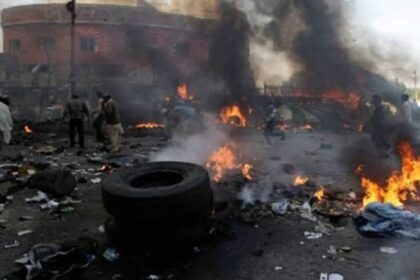
The Agbogbloshie scrap yard in Accra, one of the largest e-waste dumpsites in Africa, is a stark reminder of the devastating impact of e-waste on our environment and human health. The site, which processes an estimated 250,000 tons of e-waste annually, is a toxic landscape of burnt wires, plastic, and hazardous chemicals, where workers, including children, are exposed to toxic substances and carcinogens.
But the harm doesn’t stop there. E-waste is also a significant contributor to climate change, with the production, disposal, and transportation of electronic devices releasing massive amounts of greenhouse gases, including methane and carbon dioxide. In fact, the United Nations estimates that e-waste is responsible for around 2% of global CO2 emissions, equivalent to the emissions of over 100 million cars.
Moreover, e-waste also represents a significant economic loss for Ghana, with an estimated value of over $200 million in recoverable materials, such as copper, gold, and silver, lost each year. The lack of effective e-waste management infrastructure and regulations also undermines Ghana’s efforts to achieve sustainable development and protect the environment.
The good news is that Ghana has taken steps to address the e-waste crisis, including the establishment of the Electronic Waste Management Fund. However, more needs to be done to address the scale and complexity of the problem.
We at Climate Watch Africa urge government to:
– Enact and enforce regulations that hold producers and consumers accountable for e-waste management
– Invest in formal recycling facilities and promote public awareness campaigns to educate consumers about responsible e-waste disposal practices
– Support the development of a circular economy that promotes sustainable consumption and production patterns
– Provide support and protection to workers in the informal e-waste sector
The climate crisis is real, and e-waste is a significant contributor. We must act now to address this emergency and ensure a sustainable future for all Ghanaians.
TAKE ACTION:
– Support e-waste recycling initiatives in your community
– Reduce your e-waste by choosing sustainable electronics and repairing devices when possible
– Demand climate action from your leaders
Together, we can turn the tide on e-waste and build a more sustainable future for Ghana.
Source: www.climatewatchonline.com