
By: Ishmael Barfi
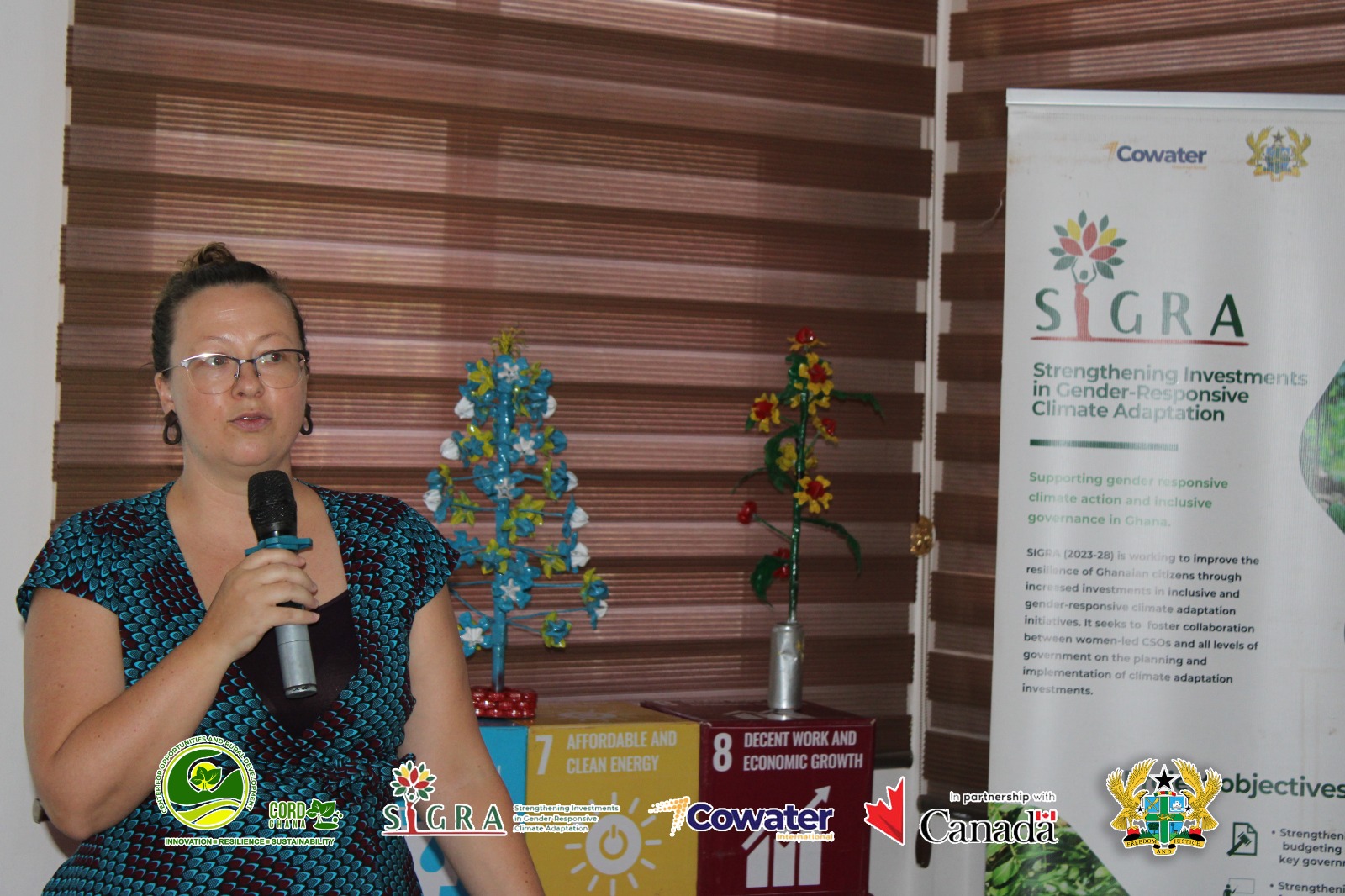
Accra, Ghana – Civil society organizations (CSOs) in Ghana need to develop sustainable plans to access climate finance, says Lauren Intven, Team Lead of SIGRA.
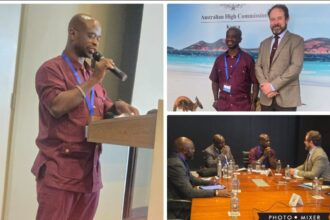
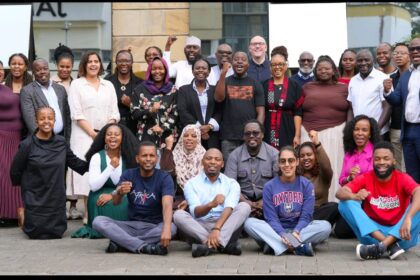
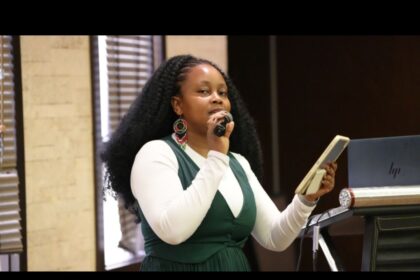
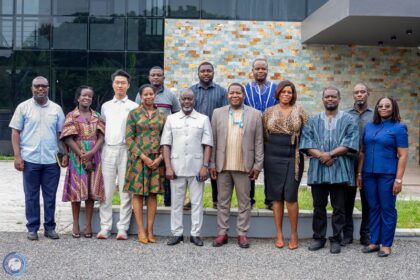
Lauren Intven, Team Lead of SIGRA, was speaking at the first-ever CSO Climate Finance Forum in Ghana, which took place in Tamale on Thursday, 12th March 2026, with over 70 CSOs participating. Representing regions such as Northern, Savannah, North-East, and Upper West, these groups gathered at the event co-organized by the Center for Opportunities and Rural Development (CORD Ghana) and the Strengthening Investments in Gender Responsive Climate Adaptation (SIGRA Project – Cowater International and the Government of Canada.
At the stakeholders’ engagement, Intven noted that CSOs have the capacity to implement climate projects, but lack the necessary funds to do so. SIGRA is working with government agencies, including the Environmental Protection Agency (EPA) and the Ministry of Finance, to strengthen national systems for climate adaptation and finance tracking. This involves working with these agencies to build their capacity for climate adaptation planning and implementation.
The organization is supporting the EPA’s national adaptation plan, conducting climate risk and vulnerability assessments, and developing adaptation plans at the district level. This involves working closely with districts to identify climate risks and develop plans to address them, in line with the national adaptation plan standard.
Additionally, SIGRA is working with the EPA to build capacity for conducting risk and vulnerability assessments, aiming to achieve 261 district plans. The organization is also collaborating with the Ministry of Finance on climate finance tracking, focusing on sub-national levels, to identify how much money is being spent on climate change and where. This information will help inform planning and budgeting processes.
SIGRA is also working with the National Development Planning Commission (NDPC) to integrate climate and gender into planning and budgeting processes, ensuring that climate change and gender considerations are mainstreamed into national development plans. The organization is providing grants to five government agencies and CSOs to test innovative approaches to climate adaptation.
This involves walking with the agencies and their civil society partners through the entire process, from vulnerability assessments to project design and implementation. The goal is to identify what works and what doesn’t, and to inform future climate adaptation efforts.
Intven emphasized the importance of building the capacity of CSOs to access climate finance, citing the need for income-generating activities and sustainable business plans. “It’s not just about getting funding, but about sustaining the work,” she saidaid.
SIGRA is providing training and advocacy support to women-led CSOs and climate-focused CSOs, equipping them with tools and guidance on accessing climate finance opportunities. The engagement aimed to connect CSOs with potential funders and address the challenges faced in accessing climate finance.
Intven noted that the current international donor context is challenging, with donors cutting back on funding and shifting focus to income-generating activities and green businesses. “CSOs need to evaluate their business plans and identify ways to sustain themselves,” Intven advised.
She added that SIGRA is committed to supporting CSOs in Ghana to access climate finance and implement climate adaptation projects. The event highlighted the need for CSOs to become more visible, network, and develop sustainable plans to access climate finance.
The stakeholders’ engagement was part of SIGRA’s efforts to support CSOs in Ghana to access climate finance and implement climate adaptation projects. The organization plans to continue working with CSOs and government agencies to build capacity and promote climate adaptation in Ghana.
Source: www.climatewatchonline.com