
News Desk Report
Youth-led green enterprises have been encouraged to position themselves to take advantage of the opportunities that come with Ghana’s Energy Transition Agenda for maximum impact.
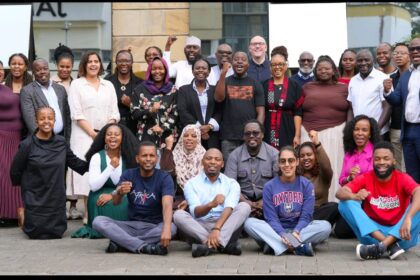
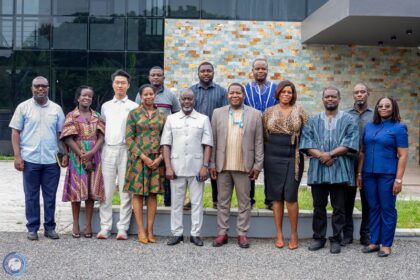
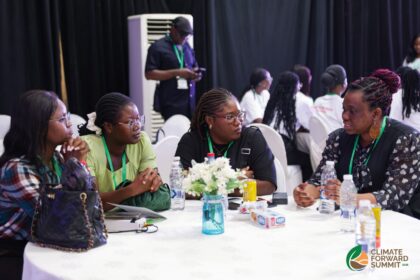
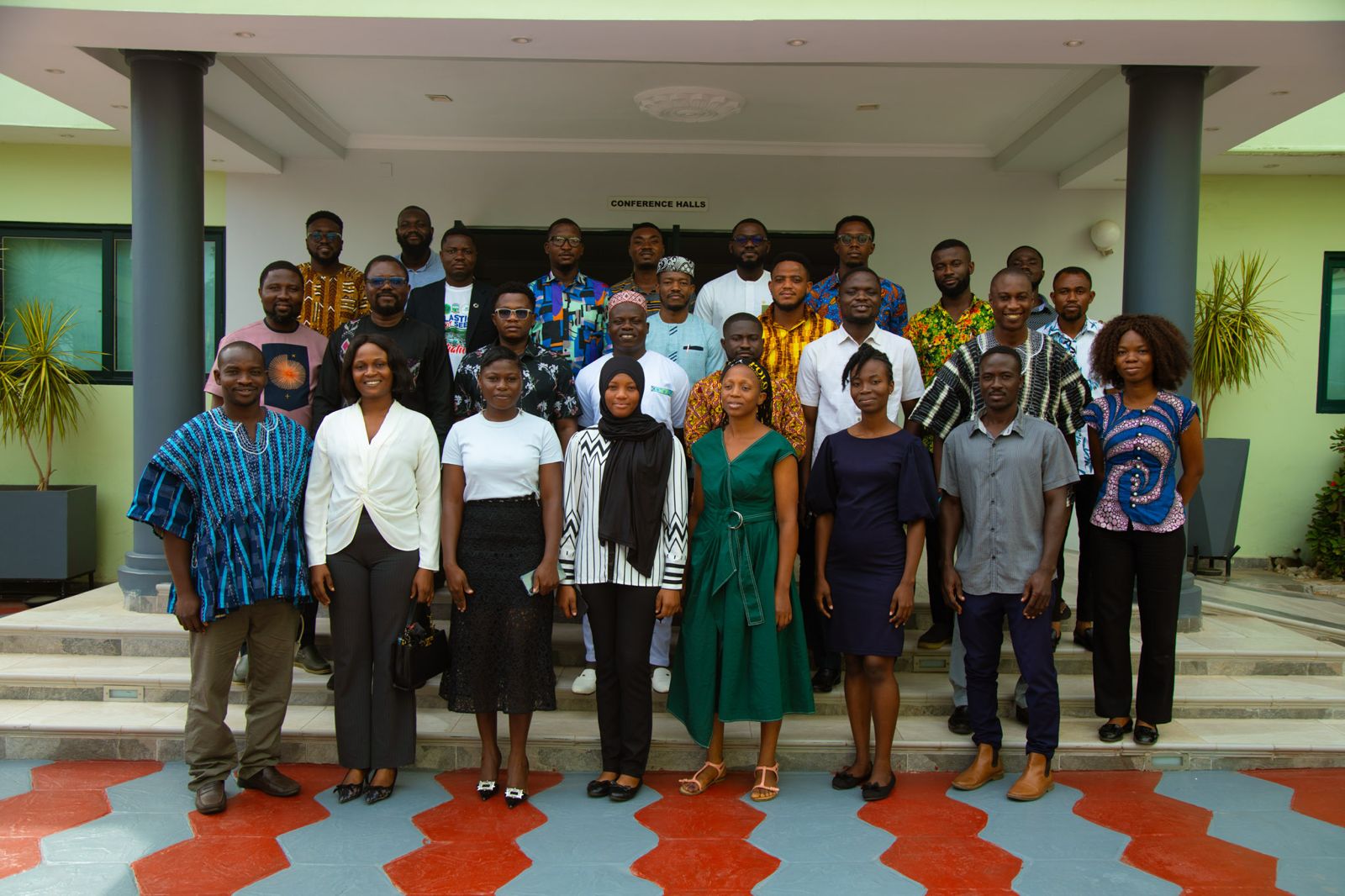
Following a high-level Energy Access Entrepreneurship meeting convened by the Young Green and Sustainable Entrepreneurs Consortium (YoGSEC) under the Strategic Youth Network for Development (SYND), participants who are entrepreneurs in Ghana’s Green Economy were drawn from across the country.
The February 11 meeting was designed to translate national energy policies into practical, scalable business opportunities for local entrepreneurs. Speakers stressed that without aligning grassroots innovation with state policy, Ghana risks producing ideas that cannot scale — or policies that never leave paper.

In his opening remarks, Chibeze Ezekiel, Executive Director of SYND outlined two key reasons for aligning youth enterprises with national energy priorities to include; shifting from isolated product assembly to systemic innovation, and ensuring measurable contributions to job creation.
Dr. Ferdinand cautioned against “greenwashing,” urging entrepreneurs to move beyond prototypes. “If you cannot prove your technology reduces emissions or saves money through verified data, you do not have a green business; you have a prototype,” he said, emphasizing scientific validation as a gateway to serious investment.

The meeting also framed the energy transition as a labour strategy. While entrepreneurs committed to creating and sustaining 1,000 green jobs, participants highlighted a troubling gender gap — 75 percent male participation despite women being primary users of domestic energy. Closing that gap, speakers noted, could accelerate adoption of clean cooking technologies and reduce the human toll of smoke-related illnesses.
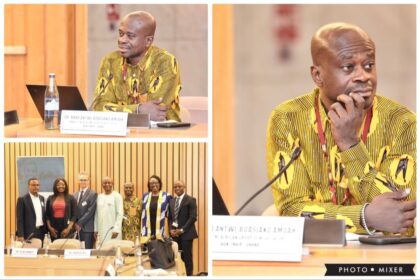
Dr. Robert Sogbadji of the Ministry of Energy outlined Ghana’s long-term roadmap, including expanded utility-scale solar, nuclear power development, LPG access targets, and gas-to-power with carbon capture.
Key outcomes included a push for localized manufacturing, a proposed Renewable Energy Authority, and stronger research-driven innovation — signaling a decisive shift toward a green, youth-driven economic future.
Source: www.climatewatchonline.com