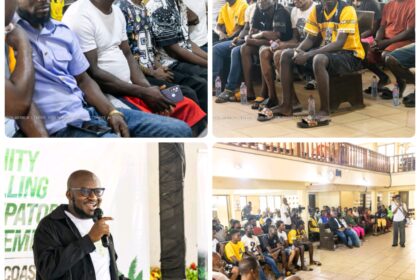

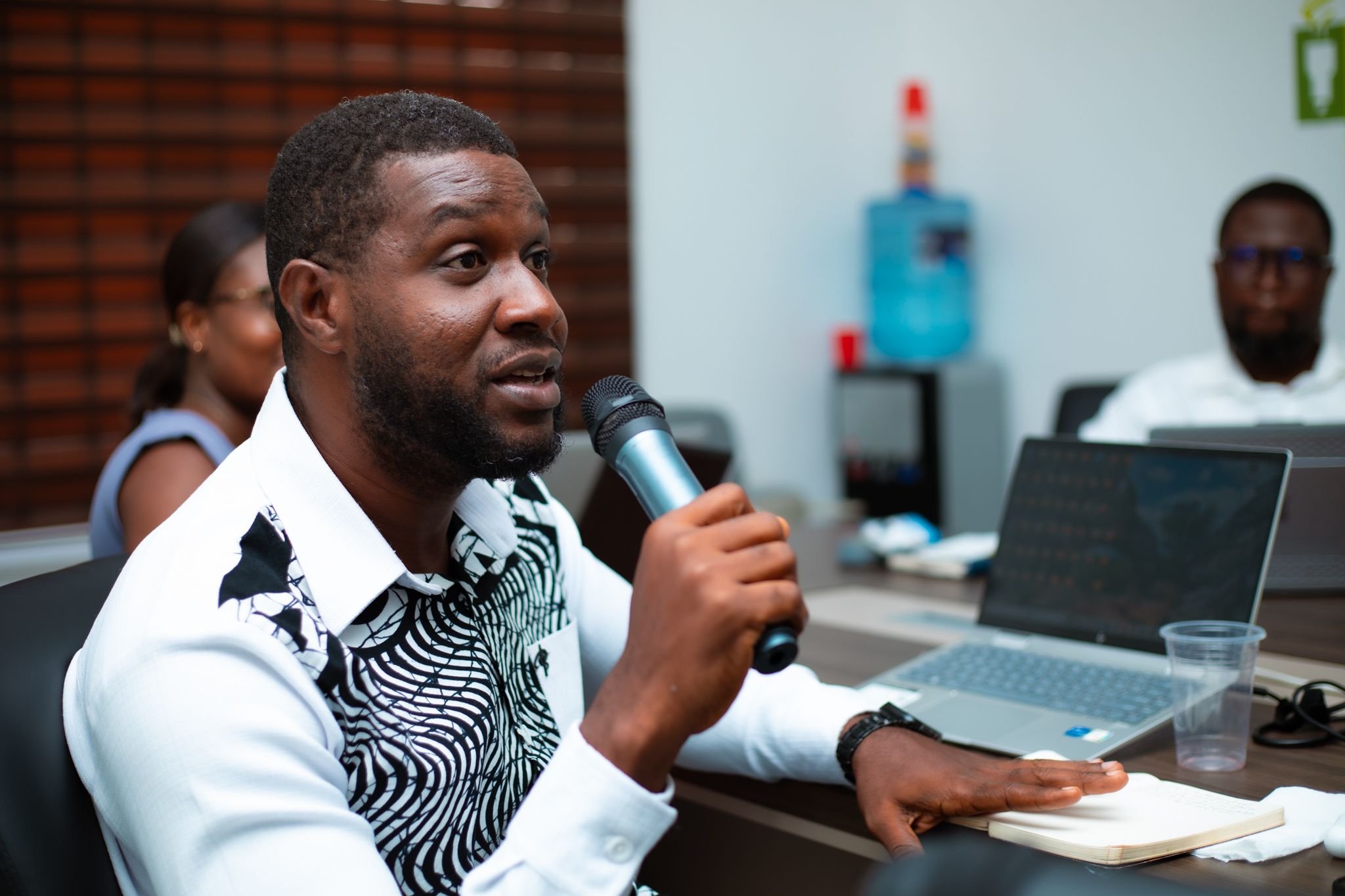
Mr. David Korletey, Disability Inclusion Specialist at the Center for Disability Studies & Advocacy (CEDSA), University of Ghana, has stressed the importance of involving persons with disabilities in the green economy and green entrepreneurship initiatives.
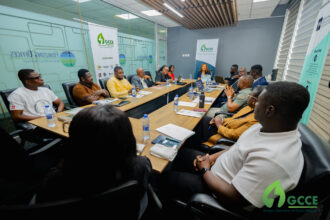
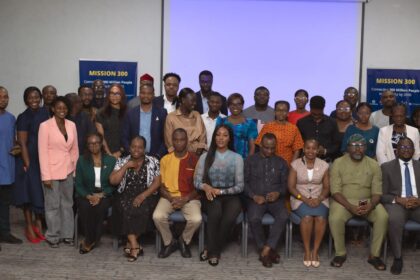
In an exclusive interview on the sidelines of the Young Green Entrepreneurs Validation Workshop, Mr. Korletey highlighted that persons with disabilities are part of the human resources that can contribute to sustainable development. “Persons with disability are potential entrepreneurs, customers, and workers. If we don’t find a way to include them in green entrepreneurship, it will impact us in terms of social sustainability,” he said.
He explained that sustainability involves not leaving anything to waste, and human resources are a vital component of that. “In all forms of resources, there are human resources. Persons with disability are part of the human resources,” he added.
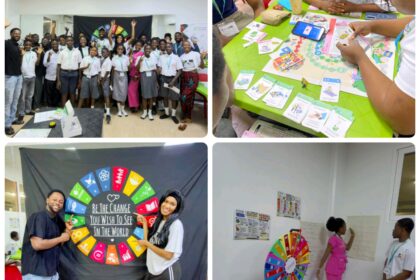
The Young Green Entrepreneurs initiative aims to boost entrepreneurial spirit in Ghana, focusing on green entrepreneurship and sustainable business development. The formation of the consortium marks a significant milestone in this effort, bringing together stakeholders to foster growth and innovation in the green sector.
Mr. Korletey urged entrepreneurs in the green entrepreneurship space to consider how they can involve persons with disabilities in their businesses, including employing individuals with visual, mobility, hearing, speech, and other impairments. “How can I employ somebody who is visually impaired in this form of entrepreneurship? How can we make our institutions, our curricula, accessible to persons with disability?” he asked.
He emphasized the link between disability and climate change, noting that persons with disabilities are disproportionately impacted by climate change. “Climate change is affecting so many persons. Persons with disabilities are affected… How is this person being considered when it comes to climate change? All these things need to be addressed,” Mr. Korletey stated.
Mr. Korletey cited the example of graduates with disabilities who are struggling to find jobs despite being trained, because employers often lack the technical ability or knowledge to employ them. He called on stakeholders in the climate space to intentionally include persons with disabilities in their initiatives and to engage experts with the necessary knowledge and technical skills to assist entrepreneurs in including persons with disabilities.
“This is also a form of justice, because at the end of the day, their involvement is going to help and trickle down to the economy,” he concluded.
Source: www.climatewatchonline.com