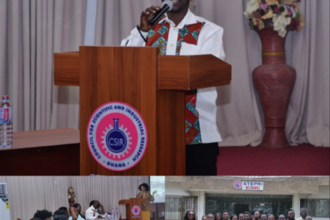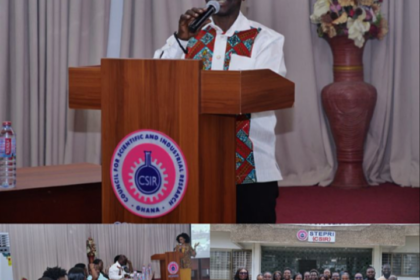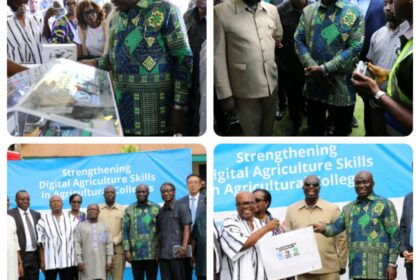

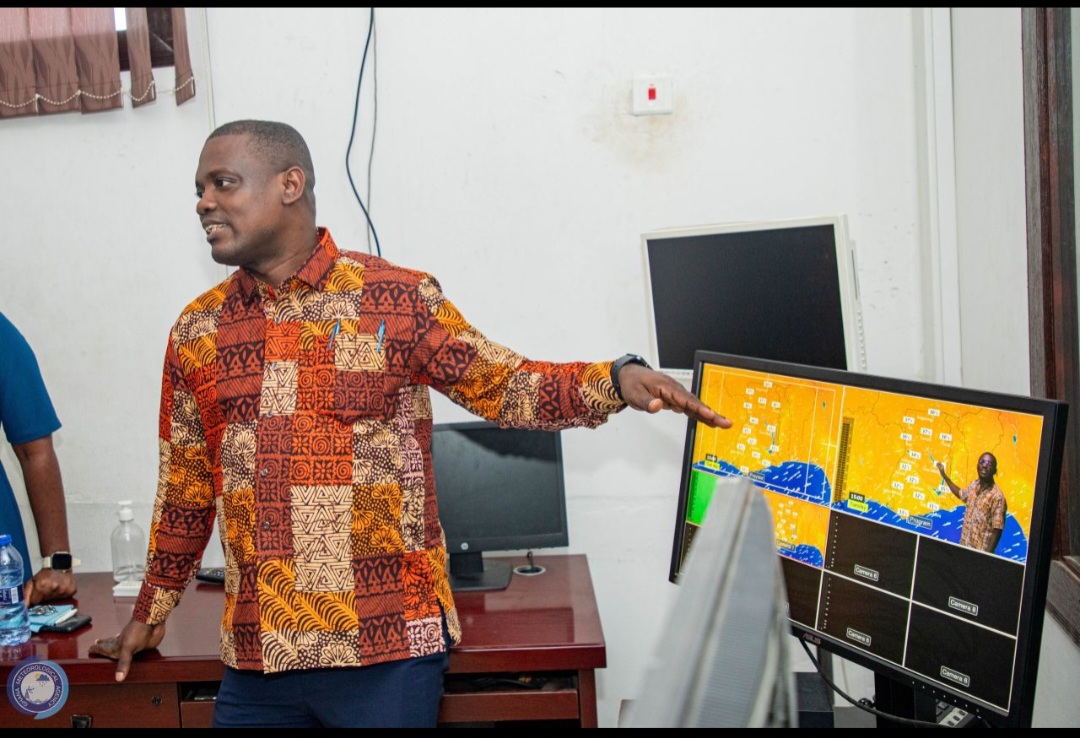
The Ghana Meteorological Agency (GMet) has taken a significant step towards enhancing its weather forecasting capabilities with the launch of a two-day high-level technical working meeting at its Accra headquarters.
The meeting, held under the Cumulus Project, brings together leading scientists, researchers, and operational meteorologists from Ghana and abroad to explore the application of artificial intelligence (AI) in improving sub-seasonal and seasonal forecasting, particularly for the agricultural sector.
The initiative aims to strengthen collaboration between academia and operational meteorological institutions, with a focus on developing more precise and actionable weather information to support decision-making in Ghana and across Africa.
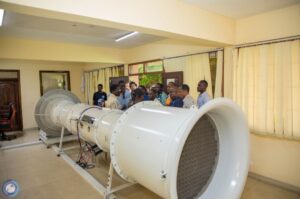
The meeting is expected to discuss ways to leverage AI and machine learning to improve forecasting accuracy, with a focus on agriculture, a critical sector for Ghana’s economy. Participants include representatives from KNUST, the University of Leeds, the University of Reading, WASCAL, and the Karlsruhe Institute of Technology (KIT) in Germany.
Deputy Director-General for Operations, Dr. Ignatius Kweku Williams, welcomed participants, expressing appreciation to international and academic partners for choosing GMet as host and reaffirmed the Agency’s commitment to the project.
“GMet is committed to supporting this initiative and ensuring that its outcomes translate into practical benefits for our forecasting systems,” he stated.
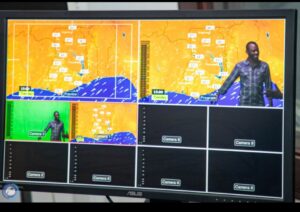
Professor Leonard Amekudzi, Provost of the College of Science at KNUST and Lead of the Cumulus Project in Ghana, explained that the initiative represents a major step forward in applying AI and machine learning to weather forecasting.
“This project is about improving precision in forecasting. For sectors like agriculture, timing is everything, and AI gives us an opportunity to significantly enhance the quality of information we provide,” he said.
Source: www.climatewatchonline.com