
Accra – Ghana’s power sector is at a crossroads. Drought‑stressed hydropower, heat‑reduced thermal efficiency, flooded substations and volatile fuel logistics have turned climate risk into a banking issue. The result is frequent outages, revenue swings and stressed debt service, making climate adaptation a matter of daily operational survival rather than an environmental add‑on.
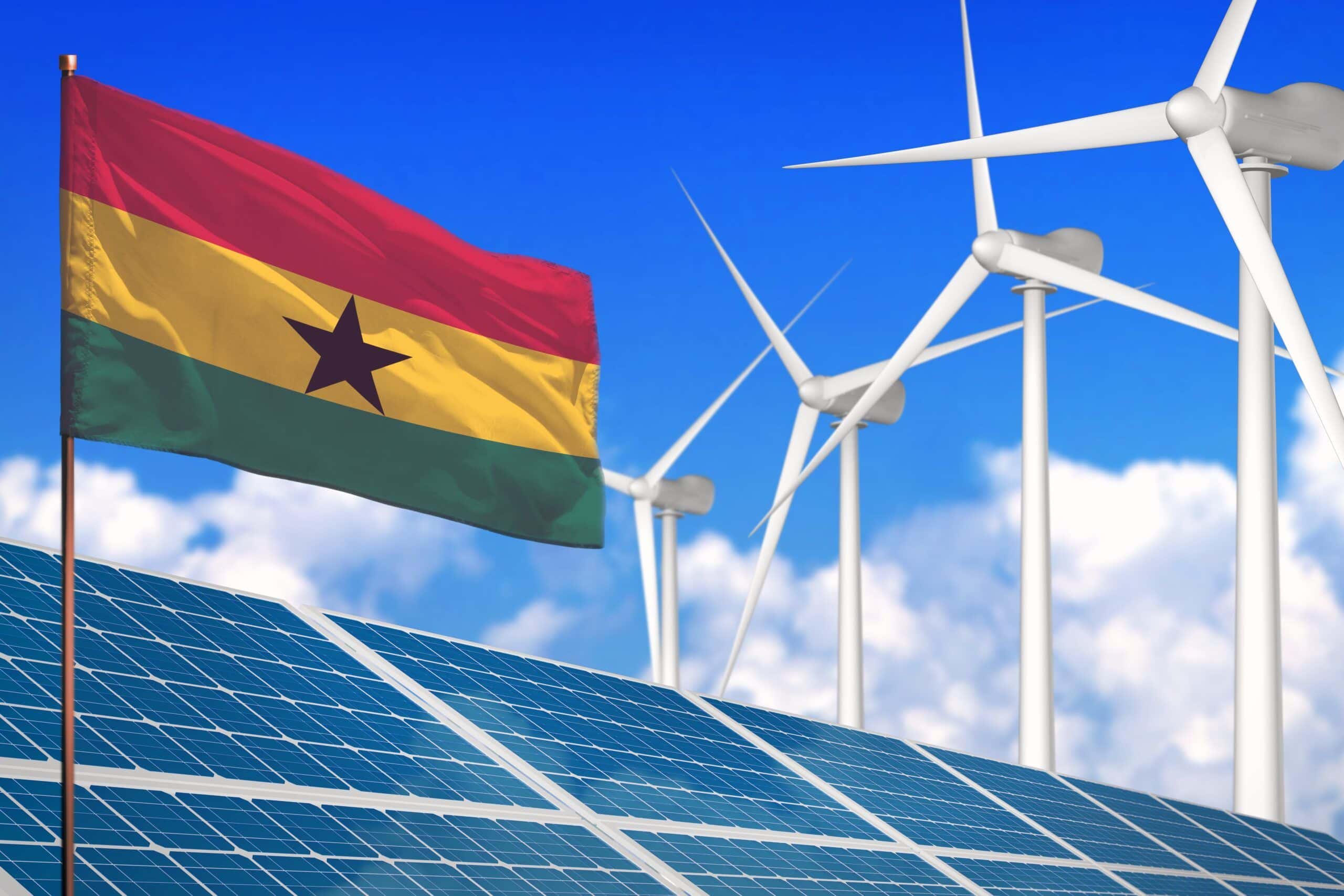
Grid hardening is already underway, with substations in flood‑prone zones being raised and transformers heat‑rated to cut forced outages. At the same time, generation is being diversified: solar, gas and storage are being blended so that a single climate shock does not derail cash flow. Predictive maintenance, powered by weather and load data, is helping utilities cut downtime before revenue is lost, while cooling‑water recycling in thermal plants offers a hedge against heatwaves and water scarcity.
For banks, these measures translate into fewer covenant breaches and more predictable repayment profiles. Power producers that plan for climate variability manage liquidity better, and distribution companies that reduce technical losses improve collections.
Climate resilience is becoming visible in dispatch schedules, O&M budgets and insurance premiums, turning everyday decisions—approving capex for battery storage, financing feeder upgrades, or structuring tenor around seasonal hydrology—into credit strengths.
Fidelity Bank Ghana’s Sustainability‑as‑a‑Service is supporting utilities, independent power producers and EPCs by embedding climate resilience into project finance, refinancing and operational upgrades. The shift is clear: reliable power is no longer just about generation; it is about resilient design, smart finance and disciplined execution.
The World Bank’s $250 million credit facility and a $10 million grant are part of a four‑year Energy Sector Recovery Programme aimed at strengthening the financial viability of electricity utilities and expanding renewable capacity.
The 2026 budget also highlights a shift toward natural gas and the construction of a 1.2‑GW state‑owned thermal plant, while the government pushes for rural electrification and off‑grid solar projects under the “Big Push” programme.
As Ghana moves forward, the intersection of climate resilience and creditworthiness will be a key determinant of the sector’s ability to sustain growth and attract investment.
By: Justice Akoto, Operations Advisor-Fidelity Bank
Source: www.climatewatchonline.com