
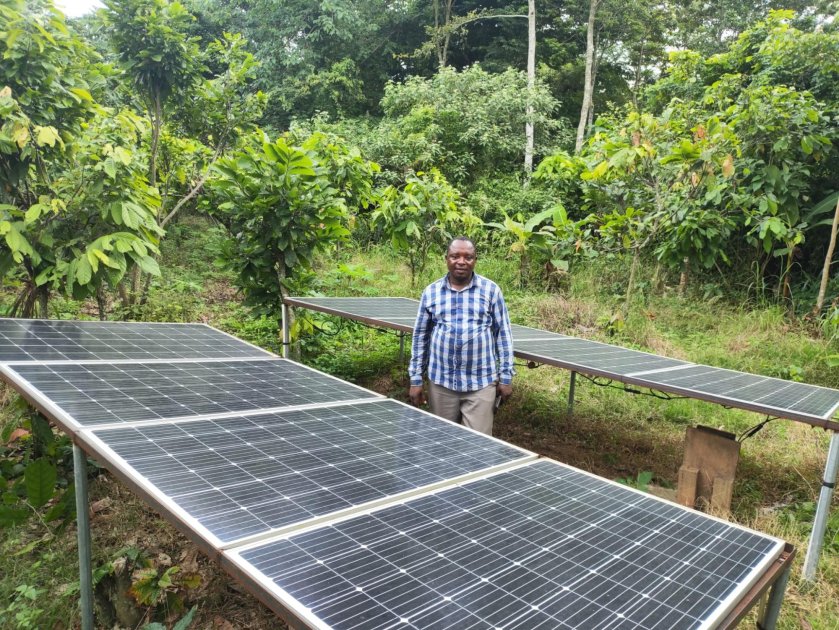
Accra, Dec 29 2025 – In Ghana’s high‑irradiance environment a modest 1 kWp rooftop solar system can produce 4–5 kWh of clean electricity each day, enough to run a branch’s LED lights, workstations, routers, security systems and a few small appliances during office hours.
Over a month that translates into roughly 120–150 kWh of avoided grid consumption, shielding the branch from tariff hikes and softening the impact of an unstable national supply.
When the same unit is replicated across a bank’s branch network the savings add up quickly. Reduced draw from the grid cuts operating costs, while the embedded solar capacity adds a layer of energy resilience that is especially valuable during peak loads when outages and voltage fluctuations are most common.
The benefits extend beyond the balance sheet: quieter generators, cooler offices from more efficient equipment, smoother daily operations and traceable reductions in emissions create a visible sustainability story for staff, management and customers alike.
In practical terms a 1 kWp installation is more than a solar panel; it is a simple, scalable engine of resilience that turns abundant sunlight into day‑to‑day operational stability. As the sector looks for ways to lower costs and improve reliability, even the smallest solar steps are proving to be powerful levers for efficiency.
Looking ahead, banks that pilot a single unit at a flagship branch can capture baseline data, then scale with a portfolio approach, bundling multiple sites into a single power‑purchase agreement to lower financing costs.
Adding battery storage can extend the benefit into evening hours and further reduce reliance on generators. Reporting the impact using the Ghana Green Taxonomy metrics turns savings into ESG credentials, positioning early adopters favorably under upcoming green‑finance directives from the Bank of Ghana.
The message is clear: a 1 kWp system may seem modest on paper, but in Ghana’s sun‑rich climate it delivers real, everyday impact that strengthens both the bottom line and the brand.
Source: www.climatewatchonline.com