
By: Alliance for Empowering Rural Communities (AERC)
As Ghana and many other African countries pursue cleaner cities, circular economies, and more sustainable urban development, one reality must not be overlooked: waste pickers are not marginal actors in the waste sector. They are central to it.
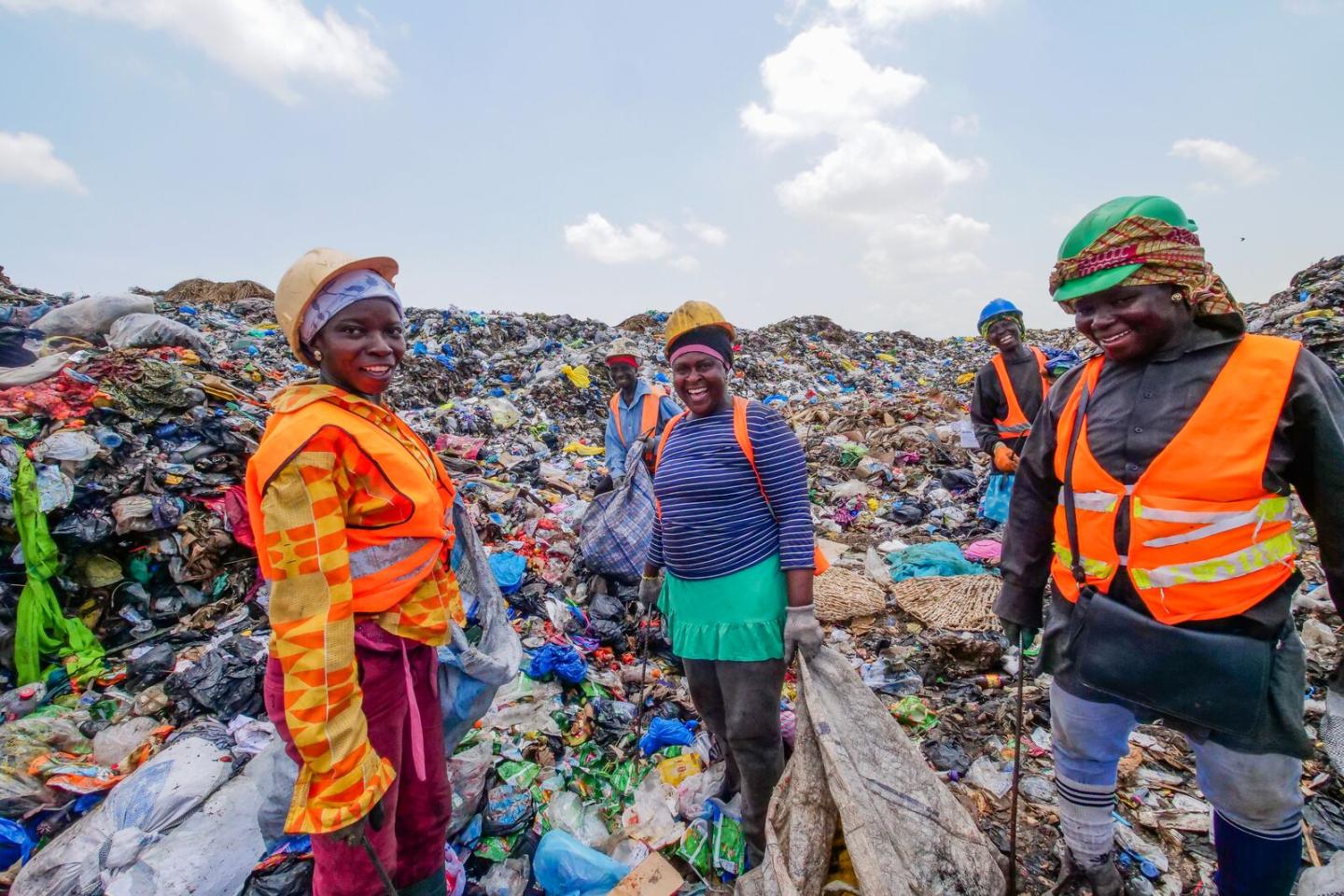
Across towns, cities, and metropolitan areas, waste pickers recover recyclable materials, reduce the volume of waste ending up at dumpsites and landfills, support local economies, and provide an environmental service that often goes unrecognized. Long before recycling, climate action, and resource recovery became major policy priorities, waste pickers were already carrying out this work, often under unsafe and difficult conditions.
Their contribution is far too important to ignore. Globally, waste pickers make up about 1 percent of the urban workforce, amounting to an estimated 15 to 20 million people. In many low income countries, they collect between 50 and 100 percent of city waste at no direct cost to municipalities. Their work reduces pressure on overstretched public waste systems, keeps valuable materials in circulation, lowers the burden on transport and landfill systems, supports household livelihoods, and contributes to climate action by diverting waste from disposal.
Yet despite these contributions, waste pickers remain among the most excluded and vulnerable workers in the urban economy. Many operate without protective equipment, legal recognition, stable income, or access to social protection. They are exposed daily to hazardous waste, unsafe working conditions, disease, exploitation by intermediaries, and public stigma. Women waste pickers often face even greater hardship, including lower earnings, higher insecurity, and the added burden of unpaid care work.
This is why the future of waste management in Ghana and across Africa must be built on inclusion rather than exclusion. If governments and city authorities are serious about sustainable cities, decent work, public health, and environmental justice, then waste pickers must be integrated into formal and inclusive waste management systems.
That means collecting better data to understand who waste pickers are and where they work. It means planning for their spatial and infrastructural needs, ensuring safer working environments, improving transport access, supporting waste picker associations, promoting separation of waste at source, involving waste pickers in decision making, and creating fair payment and formalization pathways that improve livelihoods without destroying existing survival systems.
The case for inclusion is not only moral. It is practical. Better working conditions for waste pickers can improve recycling rates, expand service coverage, reduce unmanaged waste, strengthen urban resilience, and advance national development goals. Supporting waste pickers contributes to poverty reduction, public health, gender equality, decent work, reduced inequalities, responsible consumption, sustainable cities, and climate action.
In other words, supporting waste pickers is not charity. It is smart urban policy and sound environmental governance. Alliance for Empowering Rural Communities (AERC) believes this conversation is urgent. Building a just and sustainable future requires recognizing the contributions of workers and communities that are too often overlooked in policy and planning. Waste pickers already form part of the solution to Ghana’s sanitation, recycling, and environmental challenges. What remains is for institutions, policymakers, and the public to recognize their value and act accordingly.
Rather than modernizing waste systems in ways that displace informal workers, Ghana must build systems that recognize their
expertise, protect their dignity, and improve their livelihoods. If the country truly believes in leaving no one and no place behind, then waste pickers can no longer remain invisible.
They deserve recognition as workers, inclusion as stakeholders, protection as human beings, and respect as vital contributors to Ghana’s sustainable future.
Source: www.climatewatchonline.com