
Water (H₂O) is a vital, inorganic, polar compound that is clear, tasteless, odorless, and nearly colorless. It is the liquid that makes life on Earth possible. All living things, from tiny cyanobacteria to giant blue whales, need water to survive and without it, life would not exist.
Water is essential for every organism, whether in salty or fresh environments, hot or cold climates, deserts, or the ocean’s depths. The first living organisms appeared in the oceans nearly 4 billion years ago, and humans eventually adapted to life on land, thriving in swamps, deserts, and habitats in between. Despite human adaptation, the ocean remains home to the greatest diversity of life on the planet.
Some uses of water include; domestic purposes where approximately 15% of water is consumed for domestic purposes like drinking, bathing, cooking, washing dishes and clothes, cleaning fruits and vegetables, and maintaining oral hygiene. Water is also used for agriculture purposes thus it is the largest consumer of water, accounting for about 70% of usage. It is essential for irrigation, gardening, farming, and fisheries. Plants require water to grow, and during photosynthesis, they consume water to produce food, flowers, fruits, and vegetables. Water is also used for industries in terms of the production processes, like cooling equipment, washing, transporting, or fabricating products and the chemical, paper, and food industries are among the largest users.
Why We Must Protect Our Water Bodies
Protecting our water bodies is critical because they sustain life, health, and livelihoods. Clean rivers, lakes, and streams provide safe drinking water, support agriculture, and maintain ecosystems that communities depend on for food and income.
When water bodies are polluted, they become breeding grounds for diseases like cholera and typhoid, increase the cost and complexity of treatment, and disproportionately burden women and children who are often responsible for collecting water. Preserving these sources ensures that future generations will continue to have access to life-giving water.
Current Status of Ghana’s Water Bodies
Ghana’s rivers and streams face significant environmental strain, with pollution and degradation affecting both urban and rural communities. A major driver of this pollution is illegal small-scale mining (galamsey).
Recent assessments reveal turbidity levels, measuring water cloudiness, reaching thousands of Nephelometric Turbidity Units (NTU), far above the safe threshold of 5 NTU recommended by the World Health Organization. Rivers such as the Pra, Ankobra, Birim, and Offin have exceeded safe limits, contaminated with sediment, heavy metals, and mining debris. The cleanup and rehabilitation of these water bodies are estimated to cost hundreds of millions of dollars and may take several years due to the severity of pollution.
Beyond mining, other factors contribute to water degradation, including improper waste disposal, industrial effluent, sand winning, deforestation, and climate change.
These pressures increase siltation, make treatment more difficult, and raise the risk of heavy metal contamination, especially mercury, posing serious risks to human and ecosystem health. As of 2026, Ghana faces persistent water challenges like the pollution from galamsey and industrial activities remains widespread. Government and civic groups warn that many water bodies are under severe stress, calling for stronger regulations, potentially including legislation criminalizing environmental destruction (“ecocide”).
Urban water supply systems face operational challenges, with deficits, high water loss, and financial strain affecting safe delivery as well as deforestation and poor waste management continue to compromise water quality for communities relying on rivers and groundwater. These factors highlight that safe drinking water and sustainable management remain an urgent priority for Ghana.
Impact of Unsafe Water on Women and Girls
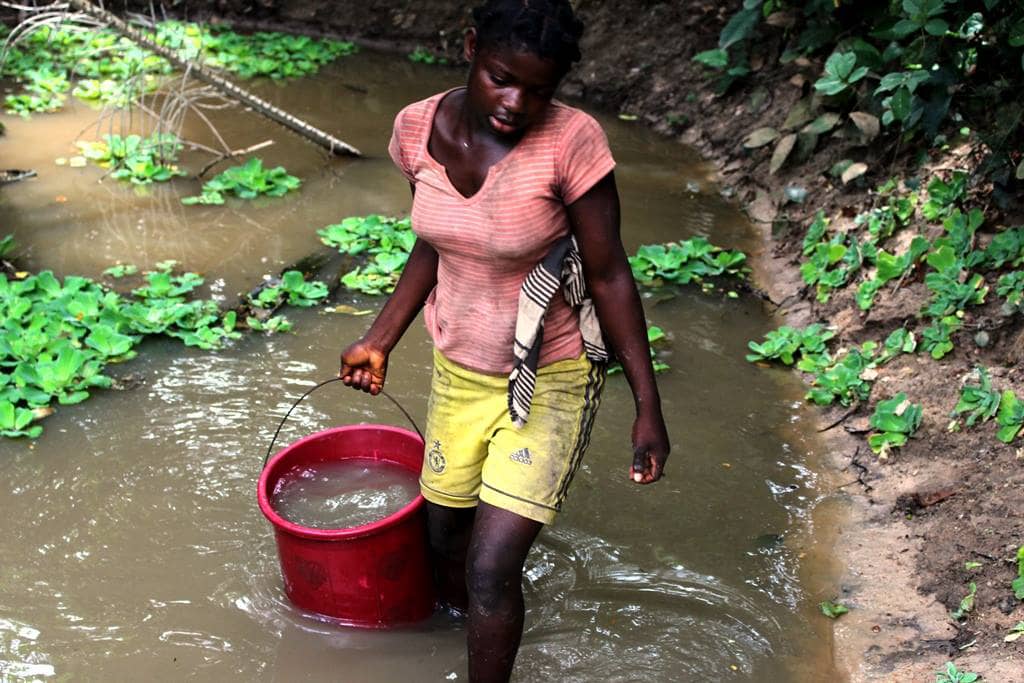
The burden of water scarcity and pollution in Ghana falls disproportionately on women and girls. In many households, they are responsible for fetching water from rivers, streams, or unprotected wells that may be contaminated.
This responsibility comes with multiple challenges like exposure to unsafe water increases the likelihood of cholera, typhoid, diarrhea, and other illnesses, carrying heavy water containers over long distances causes back pain, fatigue, and long-term health issues, hours spent collecting water reduce time for school, income-generating activities, or personal care, often resulting in missed education for young girls, traveling early or late to collect water exposes women and girls to harassment or assault and limit their access to safe water complicates menstrual hygiene management, affecting confidence and health.
These challenges underscore that unsafe water is not only an environmental problem but also a gendered social issue that limits opportunities and threatens the well-being of women and girls.
As we celebrate World Water Day, observed annually on March 22, it’s a global reminder of the importance of freshwater and sustainable water management. In Ghana, it provides a platform to highlight the intersection of water access and gender equality given the pollution of rivers and streams.
World Water Day serves to raise awareness about the challenges women and girls face in accessing safe water, advocate for sustainable water solutions that prioritize affected communities, promote inclusive policies ensuring women are part of water governance and decision-making and mobilize action from government, civil society, and individuals to protect water bodies and ensure equitable access.
To transform World Water Day into meaningful change, we must:
• Strengthen enforcement against pollution by halting illegal mining and regulate industrial and domestic waste to protect rivers and streams.
• Invest in water infrastructure like boreholes, piped water, and community treatment facilities, especially where women and girls spend the most time collecting water.
• Promote gender-inclusive governance by including women in decision-making and empower them as local water champions.
• Restore and protect natural water sources by reforesting riverbanks, rehabilitate polluted waterways, and encourage sustainable land-use practices.
• Raise awareness on hygiene, water conservation, and the importance of clean water for health and development.
• Encourage multi-stakeholder collaboration by engaging government, civil society, private sector, and local communities in sustainable water solutions.
By taking these steps, we can protect water bodies, reduce disease, empower women and girls, and ensure safe water becomes a right, not a struggle. When women have reliable access to clean water, entire communities thrive. Where Water Flows, Equality Grows.
By: Youth-NREG Petals
Source: www.climatewatchonline.com