
By: Godsway Adzornu
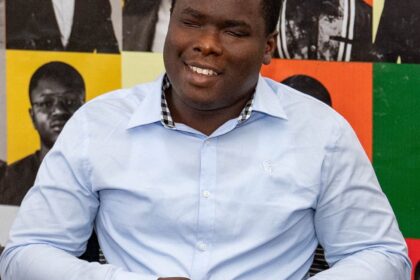
Accra, Oct. 6, 2026 — When a fire broke out near my home while I was alone, I quickly realised how difficult an emergency can become when you live with a physical disability.
I needed help, but no one was immediately available. Thankfully, assistance arrived before the situation worsened.
The experience made me think about millions of persons with disabilities who face additional risks during floods, fires, heatwaves and other climate-related emergencies.
More than 1.3 billion people globally live with some form of disability. Yet emergency alerts, evacuation centres, transport systems and public infrastructure are often not designed with everyone in mind.
A warning that cannot be accessed in time can cost lives. An inaccessible evacuation centre can leave people stranded. The loss of an assistive device during displacement can make access to food, healthcare and relief even more difficult.
But persons with disabilities should not be viewed only through the lens of vulnerability.
Professor Augustina Naami, a disability and social work scholar at the University of Ghana, has built a career in research, advocacy and disability policy while living with a mobility disability.
Dr. Henry Seidu Danaa, a visually impaired lawyer, became Ghana’s first visually impaired Minister of State in 2013.
Their experiences demonstrate what is possible when barriers are removed.
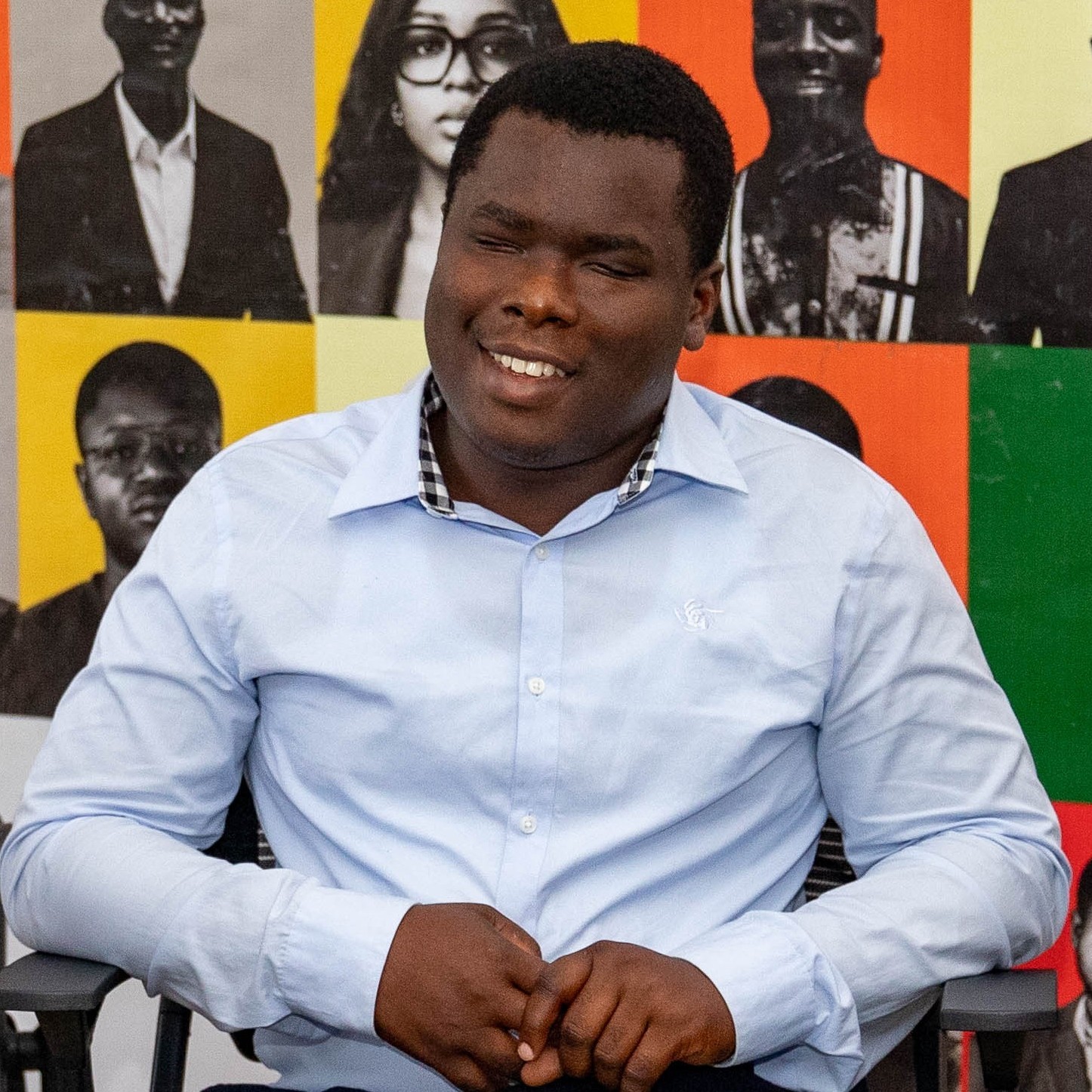
As a person with a physical disability and a national service person at the Africa Climate Collaborative, I have experienced the importance of support in my own professional journey.
Learning climate communication and reporting was challenging at first. Through guidance, constructive feedback and support, I have continued to improve.
The lesson is simple: support can turn barriers into opportunities.
Climate resilience must therefore include accessibility from the beginning.
Emergency warnings should be delivered in accessible formats. Public infrastructure should follow universal-design principles. Emergency responders should receive disability-inclusive training. And persons with disabilities should have a meaningful role in designing climate adaptation and disaster-preparedness policies.
Climate resilience is not complete if some people cannot receive the warning, reach safety or access help.
A resilient society is one where everyone has a fair chance to survive, recover and contribute.
Source: www.climatewatchonline.com