
Accra, Ghana — GreenFaith Africa is rolling out a new social protection initiative aimed at strengthening the resilience of women and vulnerable communities affected by climate change in Ghana.
The initiative seeks to foster collaboration among faith leaders, government agencies, and civil society organisations to support communities increasingly exposed to climate-related disasters such as floods, droughts, and extreme weather events.
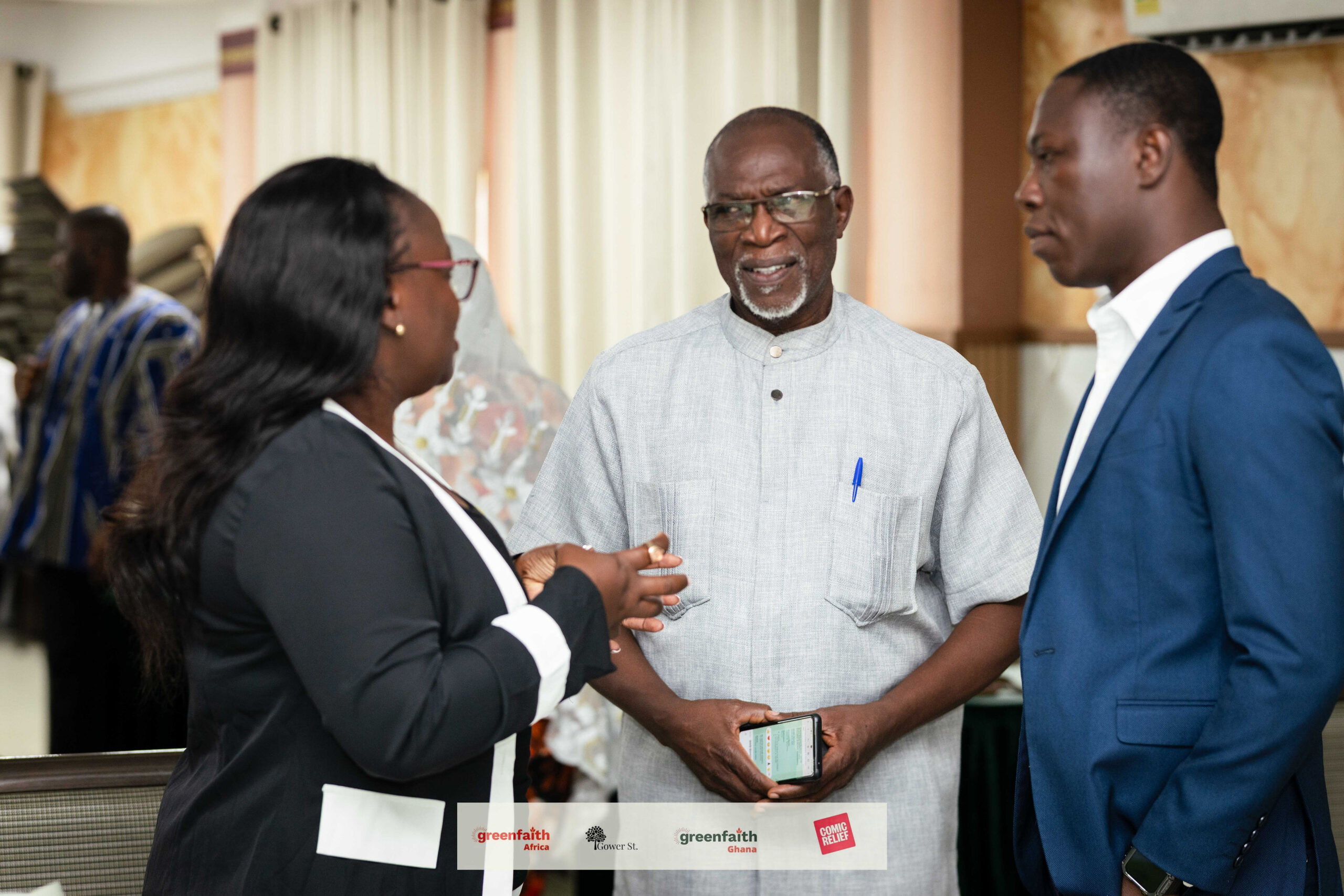
Speaking during the Multi-Faith Dialogue on Climate Change and Social Protection System Nexus in Ghana, Executive Director of GreenFaith Africa, Meryne Warah, underscored the critical role faith leaders play in helping communities respond to and recover from climate impacts.
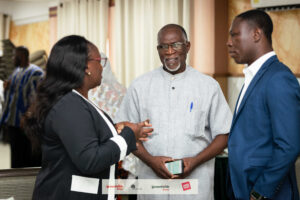
“The impacts of climate change and disasters leave communities hopeless and vulnerable,” she said. “But Africa is a deeply religious continent, and in most communities, whether intentionally or unintentionally, faith leaders often become the first responders during times of crisis.”
The dialogue, themed “Advancing Just Energy Transition through Faith-led Gender-Responsive Social Protection,” brought together Christian and Muslim faith leaders, traditional authorities, government institutions, civil society organisations, and climate stakeholders to explore the intersection between faith, climate resilience, and social protection.
According to Ms. Warah, faith leaders remain trusted figures within communities and are often the first point of contact for emotional, spiritual, and social support after disasters strike.

She noted that women at the grassroots level are particularly burdened by climate-related crises, as they frequently bear responsibility for sustaining households and communities during difficult periods.
“We intend to strengthen the resilience of women in grassroots communities who are often left carrying the burden of holding families and communities together in the aftermath of disasters,” she stated.
The initiative will focus on developing community support systems, including the creation of databases to document vulnerable households, essential records, and livelihood assets affected by climate disasters.
It will also promote sustainable livelihood practices such as climate-resilient agriculture, small-scale enterprises, and community-led adaptation strategies through training, education, and resource mobilisation.

Ms. Warah emphasised that the programme seeks to ensure that communities can “build back better” after climate disasters through structured collaboration involving faith communities, civil society organisations, and government institutions.
“We want communities to recover in a way that is sustainable and coordinated through trusted local structures,” she explained. “The ultimate goal is strategic collaboration between faith communities, government ministries, and civil society organisations to strengthen resilience and social protection systems.”
Stakeholders at the dialogue stressed that faith-based institutions remain influential actors in community mobilisation and could play a significant role in advancing climate awareness, disaster preparedness, and inclusive adaptation efforts across Ghana.
Source: www.climatewatchonline.com