
Report By: Ishmael Barfi
Accra,– The Green Africa Youth Organization (GAYO), in collaboration with the Accra Metropolitan Assembly (AMA) and other stakeholders, is stepping up efforts to promote organic waste separation and sustainable waste management practices as part of measures to reduce methane emissions in Accra.
The initiative brings together stakeholders, including the Global Alliance for Incinerator Alternatives (GAIA), C40 Cities and other partners, to explore practical approaches to diverting organic waste from landfills and strengthening climate action at the local level.
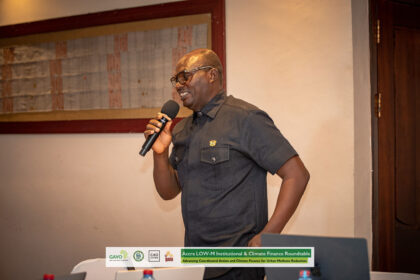
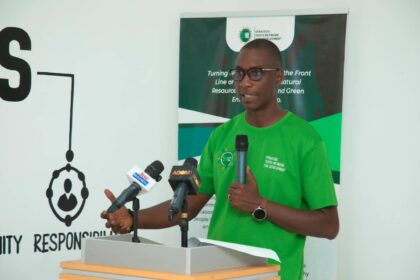
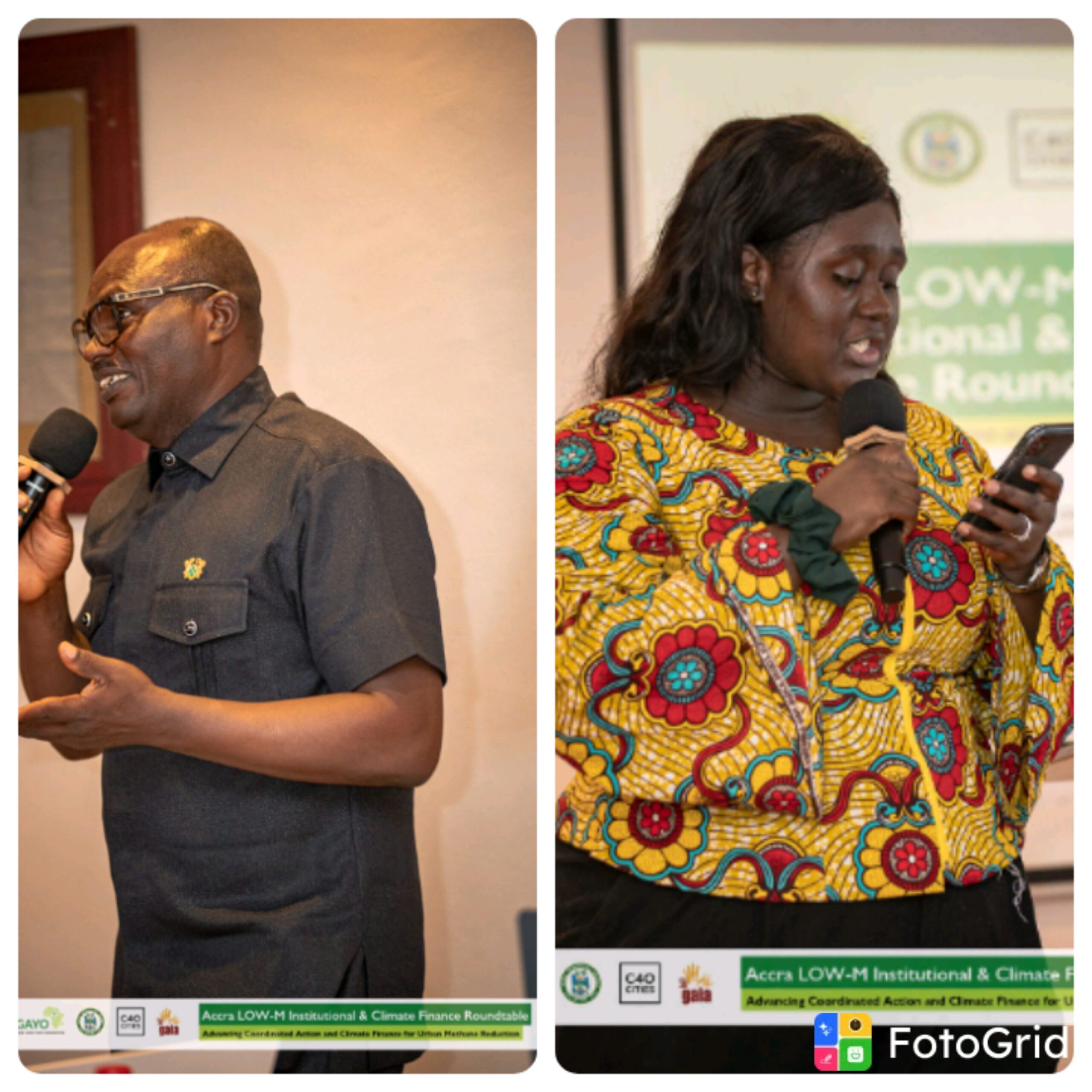
In an interview at the Accra LOW-M Institutional & Climate Finance Roundtable, Fatiha Selasi Chawie Glover, Project Coordinator for GAYO’s Zero Waste Cities Project, indicated that organic waste accounts for more than 55 per cent of Ghana’s total waste, making its effective management critical to reducing methane emissions.
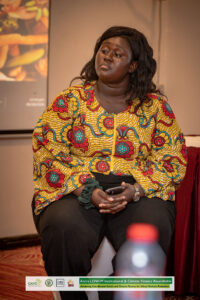
She explained that organic waste decomposing in landfills and dumpsites under anaerobic conditions generates methane, a potent greenhouse gas that contributes significantly to global warming.
According to her, separating organic waste at source and redirecting it towards productive uses such as composting and biogas production could significantly reduce the volume of waste sent to landfills while creating opportunities for resource recovery.
She stressed the need for households, schools, restaurants and other waste generators to adopt proper waste separation practices to ensure organic materials are collected and processed separately.
The discussions also highlighted the importance of stronger institutional support, government commitment and effective local bylaws to make waste separation a standard practice.

Stakeholders noted that while civil society organisations and private-sector actors could support public education, innovation and implementation, sustained government leadership would be necessary to achieve meaningful and lasting results.
The engagement forms part of broader efforts under the Low Methane Development (LOW-M) initiative, supported by the Climate and Clean Air Coalition (CCAC) and launched at COP28.
The initiative seeks to support cities and other stakeholders in identifying practical measures to reduce methane emissions, particularly from the waste sector.

With growing concerns about the contribution of poorly managed organic waste to greenhouse gas emissions, stakeholders emphasised the need to move beyond discussions towards coordinated action, improved waste management systems and greater public participation.
They also underscored the importance of partnerships among local authorities, civil society organisations, businesses and communities in advancing sustainable waste management and supporting Accra’s climate commitments.
Source: www.climatewatchonline.com