
Report By: Ishmael Barfi
Public Health Officer Benjamin Oppong-Twumasi highlights the dangers of prolonged heat exposure and urges traders to adopt preventive measures as GAYO seeks support for safer market conditions.
Market women at Agbogbloshie Market in Accra have been cautioned about the growing health risks associated with prolonged exposure to excessive heat, as rising temperatures increase concerns about the safety of informal workers who spend long hours outdoors.
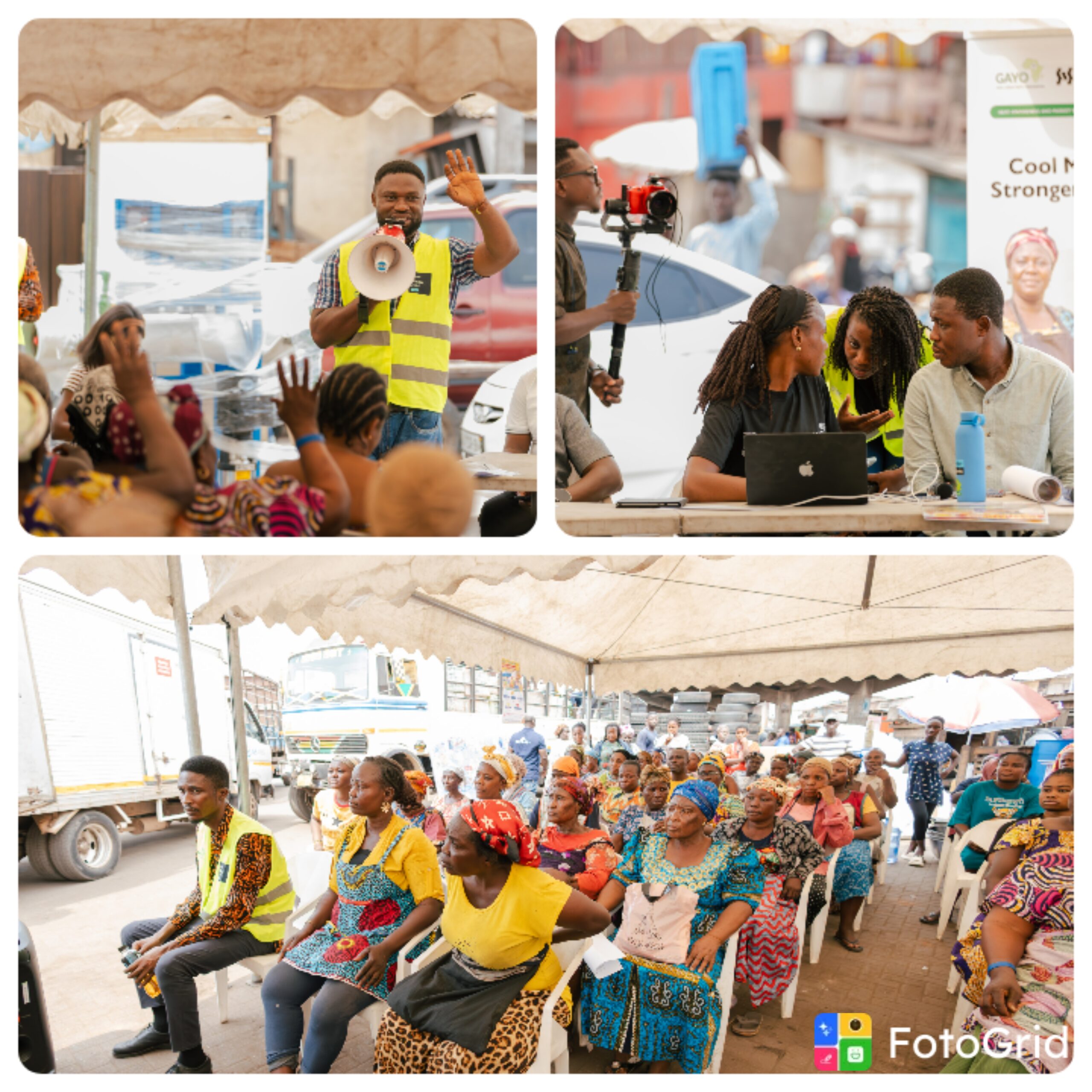
Benjamin Oppong-Twumasi, Public Health Officer at the Green Africa Youth Organisation (GAYO), said excessive heat could overwhelm the body’s natural temperature-regulation system and expose traders to several heat-related illnesses.
He was speaking during GAYO’s Heat Health and Safety Training for market women at Agbogbloshie Market, situated in the heart of Accra.
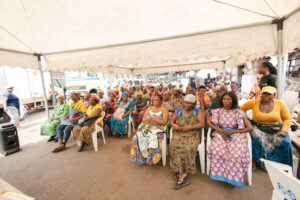
Mr Oppong-Twumasi explained that although the human body has mechanisms for regulating its temperature, prolonged exposure to high temperatures could affect these mechanisms and result in heat stress and other serious health complications.
He identified heat rash, heat syncope, which can cause fainting, heat stress and heat stroke as some of the conditions associated with excessive heat exposure.
Recognising the Warning Signs
Mr Oppong-Twumasi urged traders to pay attention to symptoms that could indicate heat-related illness, including dizziness, unusual drowsiness, dry mouth and excessive thirst.
He also highlighted changes in sweating patterns, explaining that while excessive sweating may occur during heat exposure, a sudden cessation of sweating in someone affected by extreme heat can be a serious warning sign.
He cautioned that severe heat stroke could lead to altered consciousness, unconsciousness and seizures, making prompt medical attention essential.

He advised that anyone showing signs of heat-related illness should be moved away from direct sunlight and not forced to continue working.
People experiencing severe symptoms, particularly seizures or loss of consciousness, should receive urgent medical assistance or be taken to a health facility. Emergency medical services should be contacted where necessary.
Preventive Measures for Market Women
To reduce the risk of heat-related illnesses, Mr Oppong-Twumasi encouraged market women to wear light, loose-fitting and breathable clothing rather than tight or heavy garments.
He also advised traders to drink plenty of water, use umbrellas for protection from direct sunlight and take regular breaks in shaded areas.
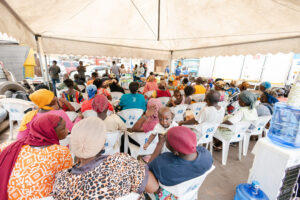
He stressed the importance of eating before starting work, noting that some traders arrive at the market without having eaten.
According to him, maintaining adequate hydration, taking breaks and avoiding prolonged exposure to intense heat are important steps traders can take to protect their health.
Older Traders and Vulnerable Groups at Greater Risk
Mr Oppong-Twumasi further cautioned that older traders and people living with underlying health conditions could be more vulnerable to the effects of excessive heat.
He encouraged such individuals to reduce strenuous activities, undertake lighter tasks where possible and rest frequently in shaded areas.
He said traders should take heat-related symptoms seriously rather than continue working through discomfort, particularly when their health is already compromised.
GAYO to Engage Local Authorities
Beyond educating market women, GAYO intends to engage assembly members and the relevant Chief Executive to draw attention to the challenges traders face and advocate practical interventions.
Mr Oppong-Twumasi said the organisation planned to present the concerns of market women to local authorities and seek support for the provision of shaded resting spaces within the market.

Such facilities, he indicated, would give traders opportunities to take breaks and reduce their exposure to direct sunlight during periods of intense heat.
The engagement is expected to encourage local authorities to consider the health and safety needs of market women as part of efforts to improve conditions in market environments.
Protecting Health and Livelihoods
For many market women, spending long hours at their stalls is essential to earning a living and supporting their families. However, prolonged exposure to excessive heat can place their health at risk.
The concerns underscore the need to address heat exposure not only as an environmental issue but also as a public health and livelihood challenge, particularly for informal workers who may have limited access to protective facilities.
GAYO’s training seeks to equip traders with practical knowledge to recognise heat-related illnesses, take preventive action and understand when medical assistance is necessary.
The organisation’s planned engagement with local authorities also highlights the importance of combining public education with improvements in market infrastructure to protect traders as temperatures rise.
Source: www.climatewatchonline.com