
Here is a polished, newsroom-ready version of your article with a stronger lead, tighter structure, and improved flow (keeping your content intact but making it more professional and publishable):
—
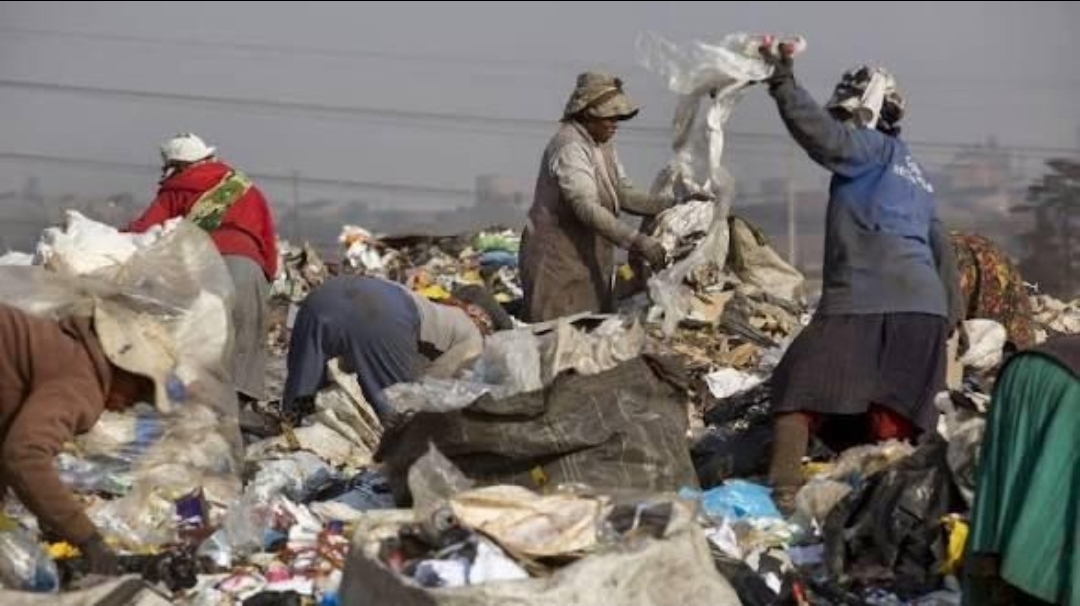
Abuja, Nigeria— Nigeria’s recycling system is not primarily driven by formal government infrastructure or highly publicised programmes, but by thousands of informal waste workers whose daily efforts recover valuable materials from the country’s growing waste stream.
Environmental experts and industry stakeholders say the informal recycling sector remains the backbone of Nigeria’s waste management system, accounting for the majority of recycling activity despite limited recognition, protection and institutional support.
Estimates indicate that less than 20 percent of waste generated in Nigeria is collected through formal systems, leaving informal workers to recover a significant share of recyclable materials.
Informal System Driving Recycling Value Chain
Waste pickers, aggregators and small-scale recyclers form an extensive but largely unregulated value chain that collects plastic, metal, paper and other recyclable materials from streets, markets, households and dumpsites before channeling them into recycling facilities.
Operating outside formal systems, the network plays a critical environmental role by preventing recyclable waste from ending up in landfills, drains and waterways.
Experts note that waste pickers often begin work before dawn, collecting discarded materials which are then sold to aggregators who sort, bundle and supply recycling companies for processing and reuse.
Vulnerable Workforce Behind the System
Despite its importance, the sector remains marked by harsh working conditions and economic insecurity.
Many informal waste workers lack access to protective equipment, healthcare, stable incomes and social protection, leaving them vulnerable within the waste management ecosystem.
Women make up a significant portion of the workforce, particularly in sorting and collection activities, but often earn less and have limited access to the economic benefits generated along the recycling chain.
Stakeholders say that although the informal system is efficient and resilient, the workers who sustain it remain among the most vulnerable participants in Nigeria’s urban economy.
Major Recycling Potential Underutilised
Nigeria generates an estimated 32 million tonnes of waste annually, with studies suggesting that between 70 and 80 percent is potentially recyclable.
However, less than 10 percent is currently recycled, highlighting what experts describe as a major missed economic and environmental opportunity.
Environmental advocates say the challenge is no longer the absence of a recycling system, but rather the lack of investment, policy support and formal recognition for those already driving recycling across the country.
Call for Policy Action and Integration
Stakeholders are calling for stronger integration of informal waste workers into national waste management strategies, improved working conditions, expanded access to financing, and technical support.
They argue that formal recognition and investment in the sector could significantly increase recycling rates while creating jobs, improving livelihoods, and strengthening environmental protection.
As Nigeria advances its circular economy agenda, experts say supporting informal recyclers could be one of the most effective pathways to improving waste management and reducing environmental pollution.
Source: www.climatewatchonline.com