
Kumasi, Ghana — Climate change is increasingly exposing vulnerable families and children to child labour as drought, desertification and other environmental pressures disrupt livelihoods, deepen poverty and force communities to migrate, the International Labour Organization (ILO) has warned.
Anders Johnson, Regional Communication Officer for Africa at the ILO, said climate change does not directly cause child labour but can worsen the socioeconomic conditions that push vulnerable families to rely on children’s labour.
In an interview with Climate Watch on the sidelines of a three-day training workshop on Child Labour, Business and Human Rights for journalists, Mr Johnson said poverty remains one of the biggest drivers of child labour globally.
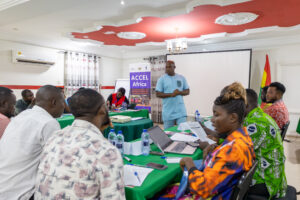
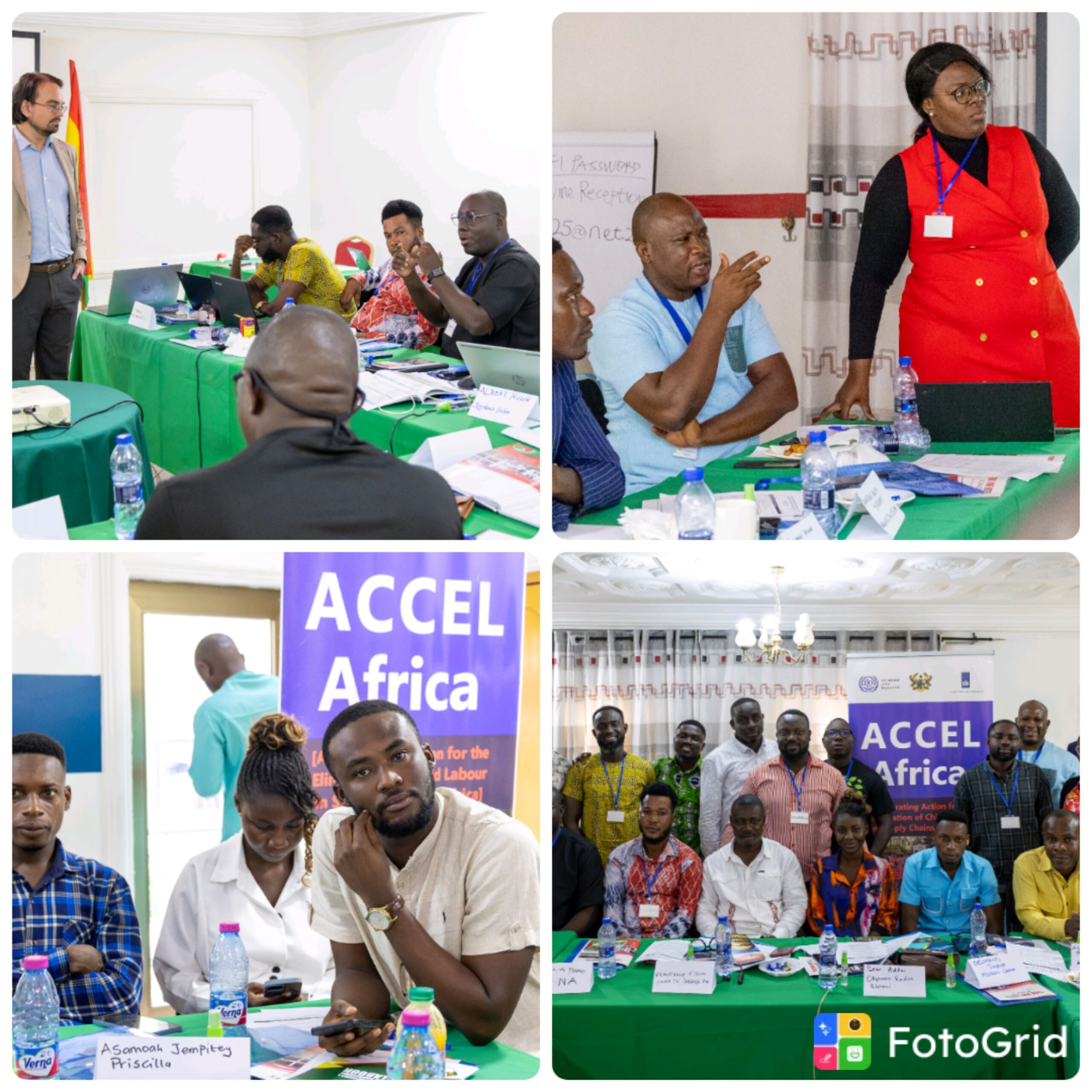
The workshop, organised by the ILO’s ACCEL Africa Project, was held from July 14 to 16, 2026, at the True Vine Hotel in Ahodwo, Kumasi, and brought together selected journalists reporting from child labour-prone areas across Ghana.
Participants were drawn from Accra and Kumasi, as well as Central Region and Wassa Amenfi East, Bibiani, Wiawso and Juaboso, and Bia East and West.
The training formed part of efforts to strengthen journalists’ capacity to report on child labour, business practices and human rights, particularly within vulnerable communities and supply chains.
The ACCEL Africa Project seeks to accelerate the elimination of child labour in cocoa and artisanal gold mining supply chains across Africa.
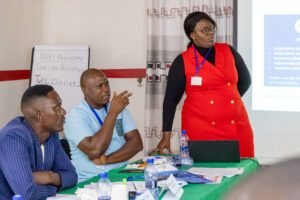
Speaking about the relationship between climate change and child labour, Mr Johnson said there is a strong correlation between poverty and child labour, noting that climate-related pressures can worsen poverty and increase children’s vulnerability.
“There is a correlation, obviously, between poverty and child labour, and so that’s one of the biggest drivers of child labour in the world is simply poverty,” he said.
According to him, climate change increasingly affects communities by disrupting livelihoods and forcing people to move from areas where they have traditionally lived and worked.
“You start to have movements of populations from where they used to be. So there’s a migration and refugee aspect of that, and obviously that leads to families and particularly children becoming much more vulnerable,” he said.
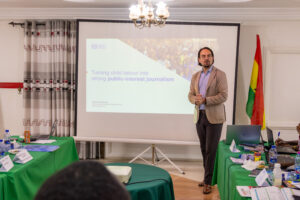
Mr Johnson cited parts of northern Côte d’Ivoire, Mali and the wider Sahel region, where desertification and drought have contributed to displacement and increased vulnerability among affected populations.
For children in such communities, the consequences can be severe, particularly when displacement disrupts access to education and family livelihoods.
“It’s much more likely that they will find themselves deprived of education because they no longer have access to the school system that they might have had,” he said.
He explained that parents who lose their livelihoods as a result of environmental shocks may also become more likely to depend on their children to contribute to household income.
The resulting cycle, he said, can increase the likelihood of children entering labour, particularly in communities already experiencing poverty and limited access to social protection.
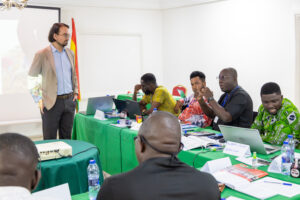
Mr Johnson, however, cautioned against describing climate change as a direct cause of child labour, explaining that its influence is largely through the poverty and displacement it creates.
“I wouldn’t say that there is a direct link that climate change leads to child labour directly,” he said. “But what happens is that climate change leads to more poverty, it leads to more displacement, and these are issues that then in turn drive an increase in child labour.”
His comments highlight the need for climate adaptation and child protection efforts to be addressed together, particularly in communities dependent on climate-sensitive livelihoods such as farming and artisanal mining.
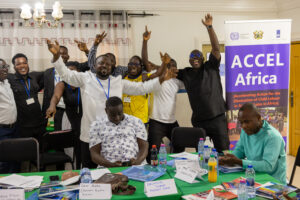
As climate-related shocks increasingly threaten household incomes and livelihoods, stronger social protection systems, resilient local economies and continued access to education could help prevent vulnerable families from resorting to child labour as a coping mechanism.
The ILO’s ACCEL Africa Project, through its focus on child labour in cocoa and artisanal gold mining supply chains, is working with stakeholders to address the structural drivers of child labour and promote responsible business practices that protect children’s rights.
Source: www.climatewatchonline.com