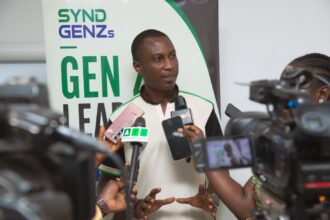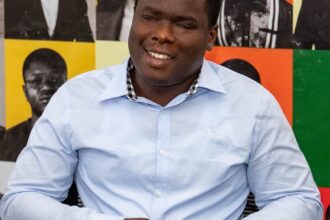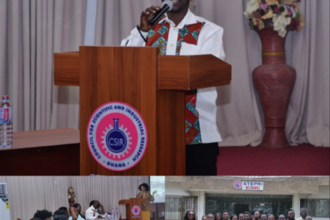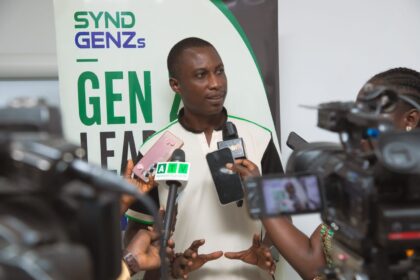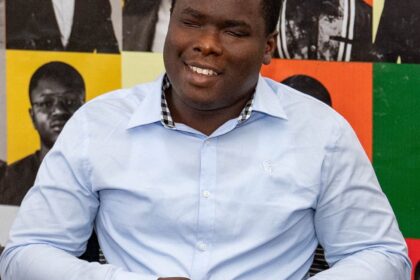


In the climate space, change is often associated with bold declarations, global summits, and ambitious targets. Yet some of the most transformative work happens quietly—through patient institution-building, community engagement, and the steady pursuit of practical solutions. For Francis Aforve, that quiet determination has become the hallmark of his contribution to Ghana’s climate resilience journey.
As Executive Director and Co-Founder of the African Foundation for Climate Change and Sustainable Development (AFCCSD), Aforve has spent more than seven years working at the intersection of climate science, agriculture, policy, and innovation. His mission has been simple but profound: ensuring that climate knowledge translates into action that improves lives and strengthens communities.
Over the years, he has built a reputation as a climate practitioner who can move comfortably between policy discussions, academic research, and grassroots engagement. Whether working with government institutions, international development partners, or farming communities, Aforve has consistently focused on bridging the gap between scientific evidence and practical solutions.
One of the most significant milestones in his career has been his contribution to the development of the Ghana Climate Vulnerability Hub, a national climate-risk information platform established under Ghana’s National Adaptation Plan (NAP) Readiness Project. Developed through collaboration between the Environmental Protection Agency (EPA), the United Nations Environment Programme (UNEP), and the Green Climate Fund (GCF), the platform provides critical climate-risk and vulnerability data to policymakers, planners, researchers, and local communities.
For Aforve, the value of such a platform lies not merely in the technology itself, but in its ability to support informed decision-making. By placing reliable climate information in the hands of those responsible for planning and development, the Hub is helping Ghana strengthen its adaptation efforts in the face of increasingly severe climate impacts.
Beyond policy and data systems, Aforve’s work has focused heavily on empowering young people through climate-smart agriculture. Under his leadership, AFCCSD has trained and mentored numerous young Ghanaians, equipping them with skills and knowledge to build sustainable livelihoods while contributing to environmental stewardship.
In a country where youth unemployment remains a persistent challenge, his approach addresses two critical issues simultaneously: economic opportunity and climate resilience. By promoting climate-smart agricultural practices and sustainable enterprise development, Aforve has helped create pathways for young people to participate meaningfully in Ghana’s green economy.
His commitment to practical innovation is perhaps best illustrated by AFCCSD’s climate-smart snail farming initiative. Through Climate Smart Solutions Limited, a pilot greenhouse-based snail farming project launched with 1,000 snails in May 2025 expanded to more than 20,000 snails by October of the same year—a remarkable twentyfold increase within five months.
The project integrates climate-controlled farming techniques, including temperature and humidity management, to improve productivity while reducing vulnerability to changing weather conditions. More importantly, it demonstrates how climate-smart agriculture can create viable business opportunities for young people while supporting national goals related to food security, employment, and climate adaptation.
Aforve believes that climate action cannot be separated from economic development. For him, climate-smart agriculture is not simply an environmental intervention; it is a tool for social transformation, capable of creating dignified livelihoods while building resilience against future climate shocks.
His policy experience further strengthens this perspective. Throughout his career, he has contributed to climate adaptation discussions and frameworks aimed at helping Ghana respond more effectively to climate risks. His work reflects a broader understanding that adaptation is not only about managing environmental threats but also about strengthening institutions, empowering communities, and creating opportunities for sustainable development.
As Ghana continues to navigate the challenges of climate change, Francis Aforve represents a new generation of climate leaders—professionals who understand that resilience is built not through rhetoric alone, but through data, innovation, partnerships, and sustained community engagement.
In an era defined by uncertainty, his work offers a reminder that meaningful climate action often begins with patient leadership, practical solutions, and a commitment to ensuring that no community is left behind.
Source: www.climatewatchonline.com