
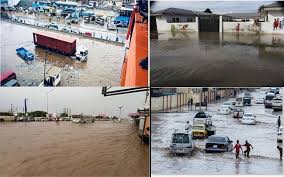
Accra, Ghana — As Ghana continues to grapple with recurring floods, the Ghana Climate Centre of Excellence (GCCE) is urging policymakers and communities to rethink how flood risks are understood and managed, arguing that many flood disasters are driven as much by human decisions as by extreme weather.
According to the Centre, while climate change is increasing the frequency and intensity of heavy rainfall events, the devastating impacts of floods are often amplified by poor land-use planning, inadequate drainage infrastructure, weak waste management systems, and limited community preparedness.
“Floods are not caused by rainfall alone,” the Centre stated. “The severity of flooding is often shaped by human decisions about where and how communities are built, how waste is managed, and whether adequate measures are put in place to reduce risks before disasters occur.”
The warning comes as Accra and several communities across Ghana face mounting flood threats, with climate scientists projecting more frequent and intense rainfall events as global temperatures continue to rise.
The GCCE stressed that reducing flood losses requires a proactive and integrated approach that addresses the root causes of vulnerability rather than relying primarily on emergency response after disasters strike.
Among the key measures identified by the Centre are strategic land-use planning that protects natural waterways and floodplains, effective waste management systems that prevent drains from becoming clogged, investments in climate-resilient infrastructure, community education programmes, and data-driven risk assessments to guide development decisions.
Investing in Resilience Before Disaster Strikes
At the forefront of the Centre’s work is its Founder and Executive Director, Chauncia Willis-Johnson, a disaster management specialist with more than 26 years of experience in emergency preparedness, hazard mitigation, flood risk reduction, and disaster recovery.
Throughout her career, she has worked with local, national, and international partners to help communities prepare for, respond to, recover from, and reduce the impacts of disasters.
The Centre argues that Ghana’s future resilience will depend largely on decisions made today regarding urban planning, infrastructure development, environmental protection, and public awareness.
Protecting natural drainage systems, preventing indiscriminate construction in flood-prone areas, and strengthening community preparedness, it said, could significantly reduce the economic and human costs of flooding.
“By investing in smart planning, sustainable infrastructure and community engagement, we can reduce flood losses, protect livelihoods, and create safer, stronger communities for future generations,” the Centre noted.
As climate risks continue to intensify, the GCCE is advocating a prevention-first approach to disaster management, emphasizing that resilience is built long before floodwaters begin to rise.
“At GCCE, we believe resilience is built before the disaster occurs,” the Centre stated.
The call adds to growing concerns among climate and disaster-risk experts that Ghana must move beyond reactive responses to flooding and adopt long-term strategies that address the underlying drivers of vulnerability, strengthen climate resilience, and safeguard communities from future disasters.
Source: www.climatewatchonline.com