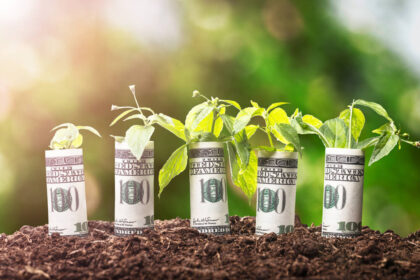

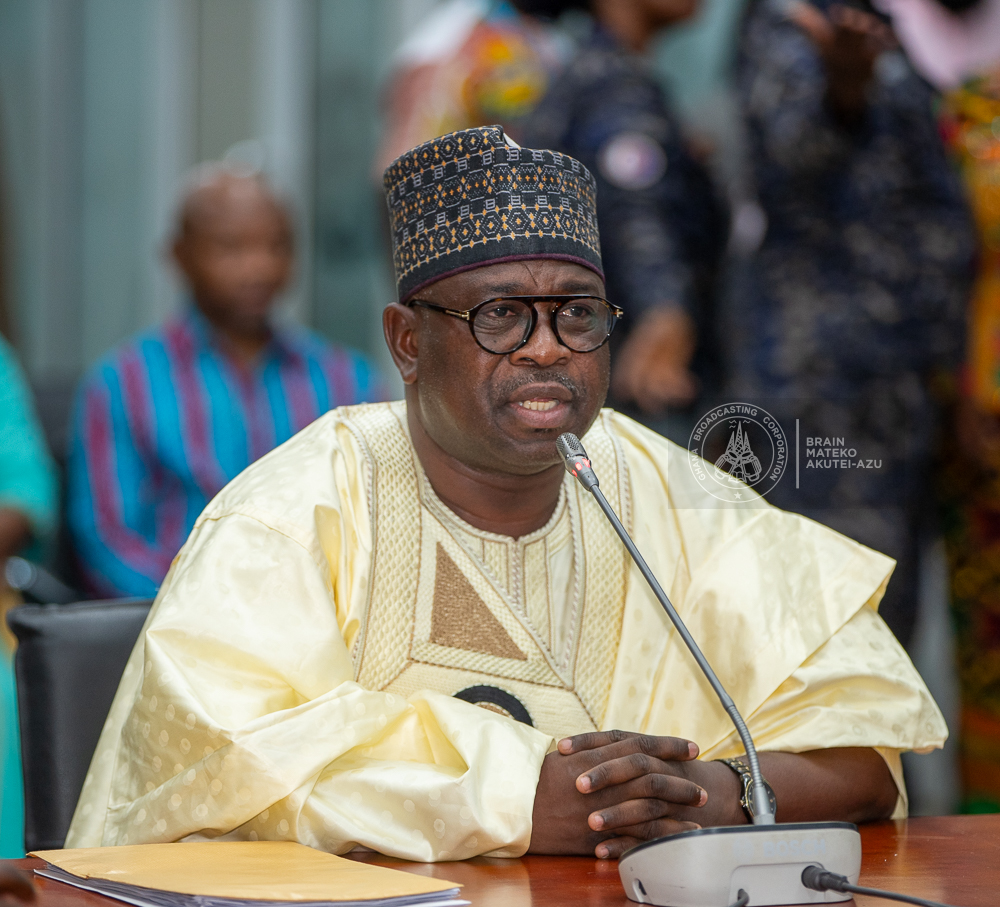
Accra, Ghana — According to the Minister of State for Climate Change & Sustainability, Ghana loses approximately US$6.3 billion annually, equivalent to about 10.7 per cent of its Gross Domestic Product (GDP), through environmental degradation and pollution, threatening the country’s development and economic prospects.
The Ministry stated that the financial losses associated with environmental degradation represented resources that could otherwise be invested in critical national development priorities, including schools, hospitals, roads and job creation.
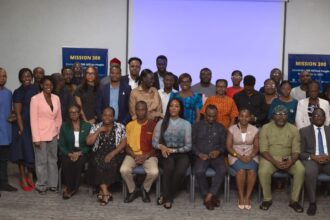
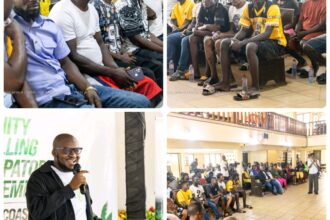
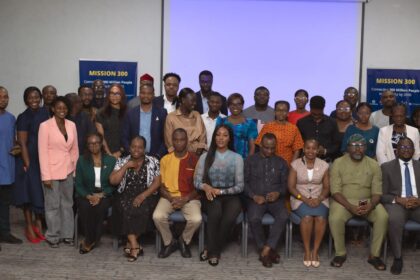
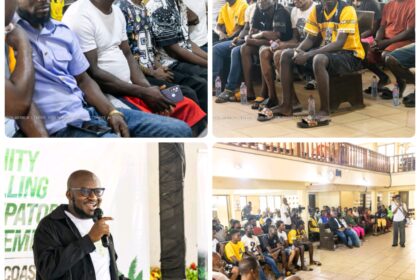
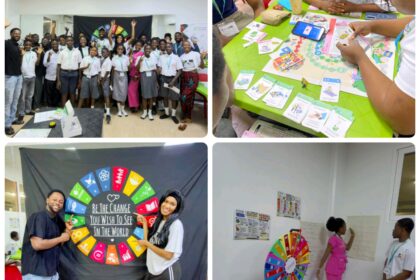
This was revealed in a speech read on behalf of the Minister of State for Climate Change & Sustainability by Ruth Dzokoto, an Administrator at the Office of the Minister of State for Climate Change & Sustainability at the 2026 Climate Forward Summit held under the theme “The Circular Transition: Integrating Waste-to-Wealth Pathways and Clean Energy for Ghana’s Green Industrialisation.”
She noted climate change had become a lived reality for communities across Ghana, with floods destroying homes, businesses and public infrastructure, while coastal communities continue to lose land to rising sea levels and erosion.
Farmers, he added, were also facing unpredictable rainfall patterns, prolonged droughts and declining crop yields, while rising temperatures were increasing health risks and reducing labour productivity.
“Climate change has become an economic issue, a food security issue, a public health issue, and above all, a development issue,” he said.
Ruth Dzokoto, noted that the recent flooding experienced in parts of the country demonstrated the growing economic burden of climate-related disasters, with significant public resources required to respond to emergencies and support affected populations.
She warned that such resources could otherwise have been invested in long-term development.
The Acting Minister Representative also drew attention to Ghana’s growing plastic waste challenge, noting that the country generates about 840 tonnes of plastic waste daily, with only a fraction collected for recycling.
The remaining waste, she said, ends up clogging drainage systems, polluting rivers and contaminating the ocean, contributing to the flooding that has become increasingly common in urban areas.
The Minister of State Representative acknowledged addressing the climate and environmental crisis required Ghana to move beyond treating waste as a problem and instead view it as an economic resource.
“Yet, ladies and gentlemen, I do not see waste. I see opportunity,” she said.
She said discarded electronic devices contain valuable minerals such as gold, copper and palladium, while plastic waste could be transformed into construction materials, furniture and export products.
Agricultural waste, she noted, could be used to generate renewable energy, while organic waste could be converted into compost to improve soil fertility.
Adding “used textiles could also be transformed into insulation materials, industrial fibres and new manufacturing inputs”.
Ruth Dzokoto, indicated that these opportunities reflected the principles of a circular economy, which seeks to reduce waste, maximise the use of resources and create economic value while protecting the environment.
“It is about creating more value with fewer resources. It is about building an economy where environmental sustainability and economic prosperity reinforce one another,” she said.
She therefore called for urgent action to strengthen Ghana’s climate resilience and reduce the economic burden of environmental degradation.
Source: www.climatewatchonline.com