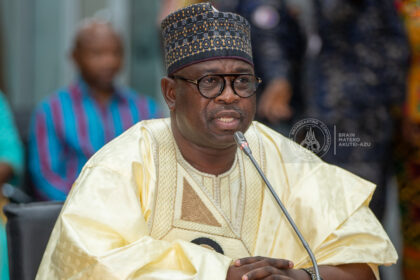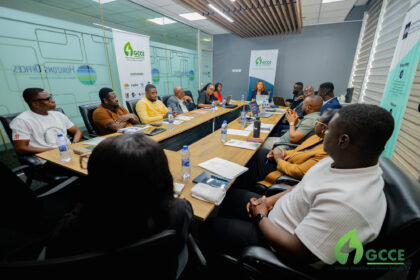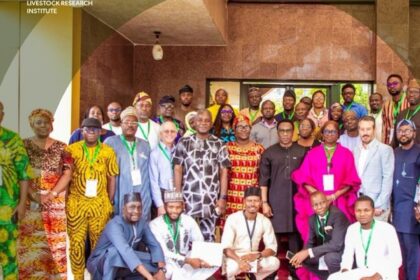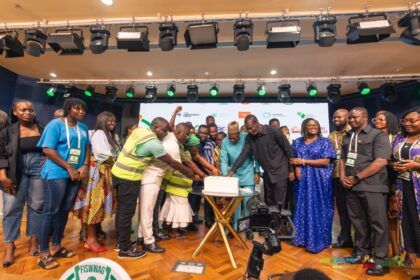

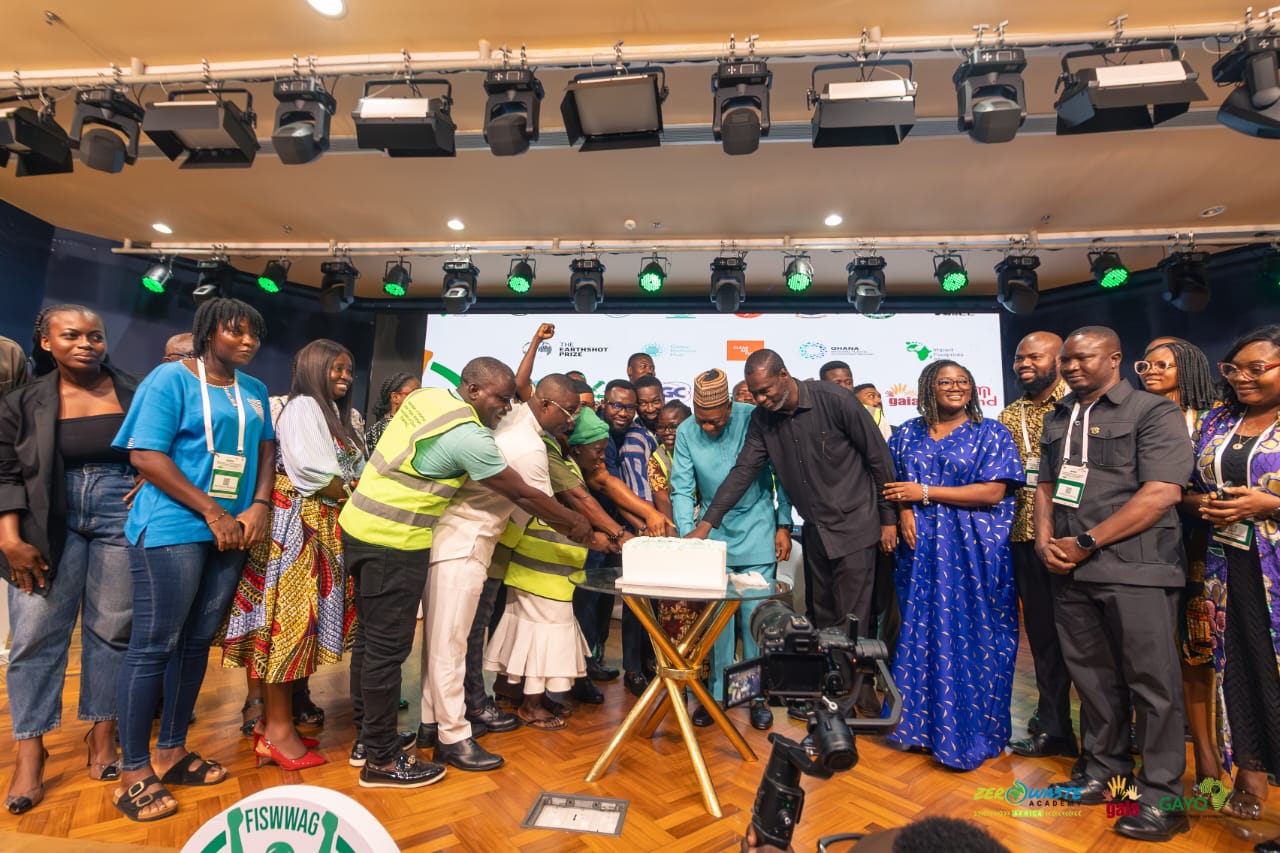
Accra, Ghana —The Minister for Labour, Jobs and Employment, Dr Abdul-Rashid Pelpuo, has welcomed the formal recognition of informal waste workers in Ghana, saying their organisation gives them a stronger voice to demand better working conditions, safety and protection under the law.
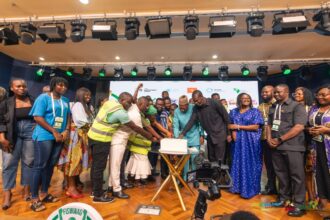
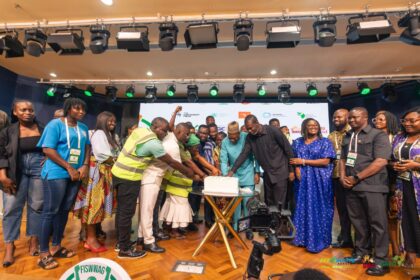
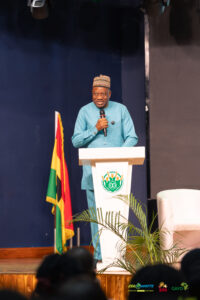
Speaking at the launch of the Federation of Informal Sector Waste Workers Associations of Ghana (FISWWAG) on July 31, 2026, Dr Pelpuo said the government would provide the necessary leadership to ensure that informal workers receive appropriate protection in line with their working conditions.
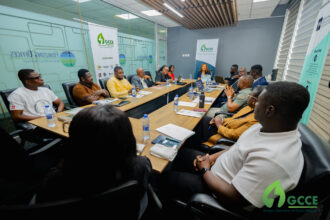
The launch marks a major step towards strengthening representation for workers engaged in waste collection, sorting, recovery and recycling, who play an important role in Ghana’s waste-management and emerging circular economy.
“Once they are registered and we recognise them, they already have a voice,” Dr Pelpuo said.
He urged the leadership of the new federation to use that voice responsibly by representing members effectively and ensuring that their concerns are brought to the appropriate authorities.
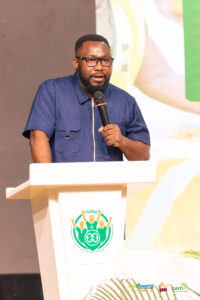
“I encourage their leadership to handle them properly, to make sure they provide a quality kind of leadership that will enable them to function effectively, as reflected in their own expectations,” he added.
Government pledges protection
Dr Pelpuo said informal workers should not be excluded from labour protections simply because they operate outside conventional formal employment structures.
He noted that Ghana’s Labour Act, 2003 (Act 651) provides a legal framework for protecting workers and ensuring appropriate working conditions.
According to the Minister, the law covers issues including workers’ rights, freedom of association, employment conditions and occupational health and safety.
“The Labour Law, Act 651, provides everything you need about the informal sector, about what they require, how all labour organisations are to handle their workers, how the private sector will handle these workers, and the freedom of workers to make choices.”
He said the Ministry would provide leadership to ensure that informal workers, including waste workers, are protected from practices that could negatively affect their health and working conditions.
“My ministry will provide the leadership that will ensure this crucial aspect of their lives, and to protect them from all kinds of handling, mishandling that could have direct consequence on their health and their working conditions,” he said.
Recognition could strengthen bargaining power
The formation of FISWWAG provides informal waste workers with a platform to organise and collectively advocate for their interests.
The development comes amid growing efforts to integrate informal waste workers into Ghana’s formal labour and waste-management systems. The newly established national union has been described as a significant step towards extending labour representation to waste collectors, sorters and recyclers who have historically operated with limited formal recognition.
For workers who routinely handle potentially hazardous materials, occupational health and safety remains a major concern.
The Minister said recognising workers and giving them a collective voice should make it easier for them to engage government, employers and other stakeholders on issues affecting their livelihoods.
Minister calls for dialogue
While supporting the workers’ organisation, Dr Pelpuo urged members to respect Ghana’s laws and use dialogue to address grievances.

He encouraged the federation to engage government, employers and organised labour through established channels rather than resorting to industrial action where dialogue could resolve disputes.
“We want them to keep ensuring that they keep the peace in the country, recognise the laws in the country and work with them.”
He also urged the workers to engage with the National Tripartite Committee, which brings together government, employers and workers to discuss labour and employment matters.
“Open up for discussions with the leaders and open up for discussion with the Tripartite Committee made up of government, employers and the workers’ front. We want a union. We want cooperation in this respect. In that way we will keep the peace that we all expect,” he said.
A new chapter for informal waste workers
The launch of FISWWAG is expected to strengthen the collective representation of informal waste workers and create a platform for addressing concerns around occupational safety, income security, social protection and recognition.

The development also comes at a time when waste workers are increasingly being recognised as essential actors in Ghana’s transition towards a circular economy. At the national union launch, the Minister described workers who recover, sort, recycle and divert waste from landfills as contributors to environmental sustainability, public health and national development.
For the thousands of people working across Ghana’s informal waste economy, the federation could therefore provide a stronger platform to move from informal participation towards greater recognition, representation and protection.
The challenge now, however, will be translating the legal recognition and assurances into safer workplaces, stronger social protection and tangible improvements in the livelihoods of informal waste workers.
This version gives you a stronger accountability ending: the Minister has made the commitment, and the final paragraph naturally raises the question of what government will actually deliver.
Source: www.climatewatchonline.com