
Accra, Ghana — Climate education must move beyond technical language and the traditional classroom to become more practical, culturally relevant and accessible to young people and communities, Climate Sociologist Emmaryn Leuzzi has said.
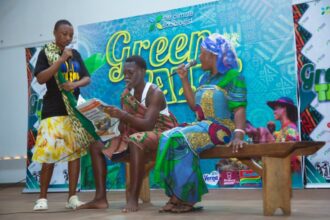
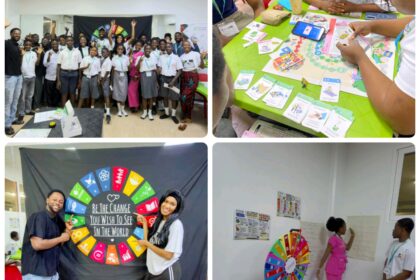
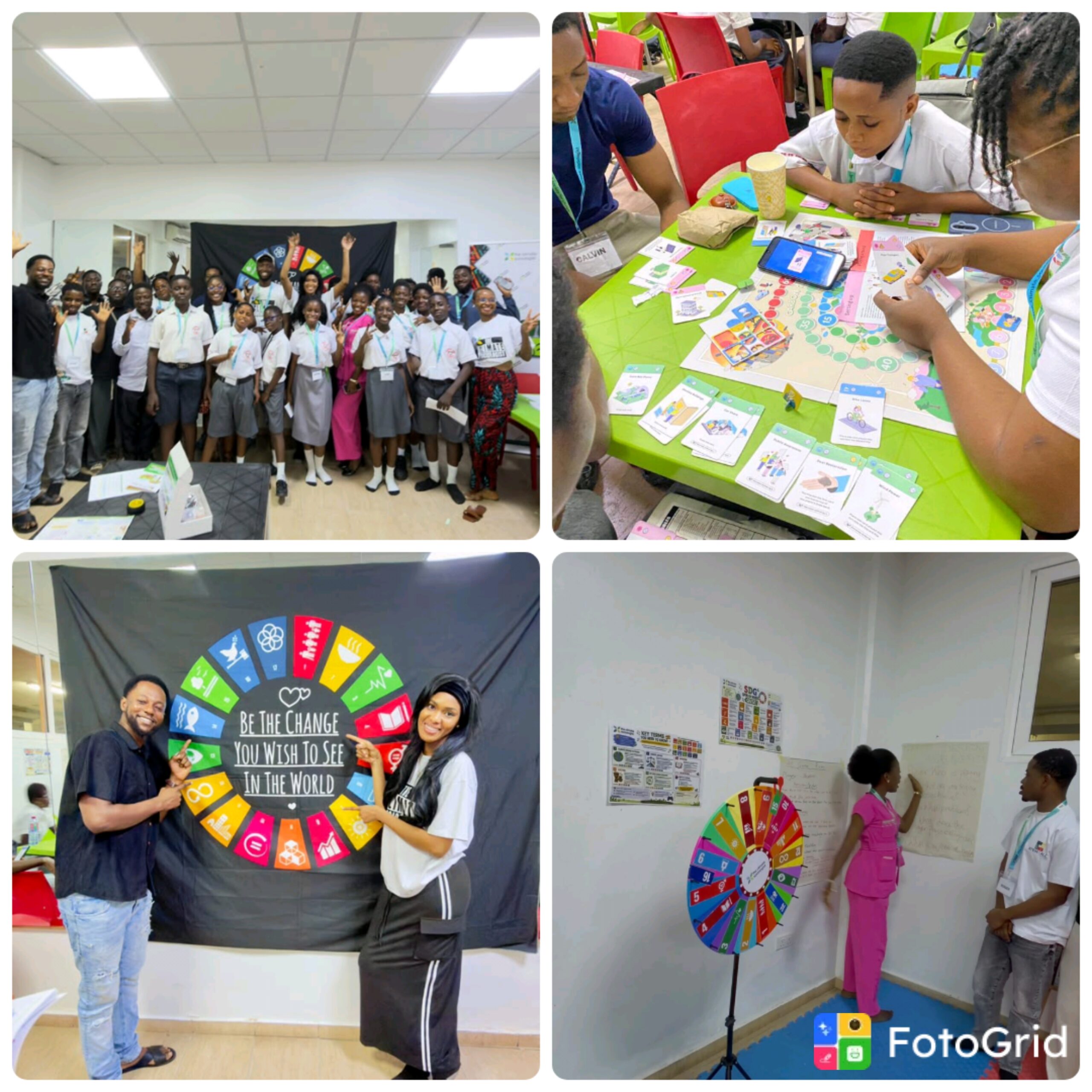
Leuzzi made the remarks during the UTM Lab Climate and Culture Edition, a youth climate education and game co-designing session aimed at developing culturally relevant games to improve understanding of climate change and climate action in Ghana.
According to her, the initiative seeks to bring climate education to the doorsteps of people in communities by using games as a practical tool for learning and engagement.
She said the session forms part of preliminary activities towards Green Tales, a flagship annual project scheduled for October, which brings senior high school students together to compete around culture, climate change and the Sustainable Development Goals.
“We want to bring climate education to the doorsteps of people in the community through games,” Leuzzi said.
She explained that participants would work together to co-develop and test non-digital games centred on issues including climate change in Ghana, climate justice, culture, education and the transition towards net-zero carbon emissions.
The games are expected to help participants understand complex climate concepts while identifying practical actions they can take within their communities.
Making climate education practical
Leuzzi said one of the key objectives of the initiative is to make climate education easier to understand and relevant to everyday experiences.
She noted that climate change should not be treated solely as a scientific subject because its impacts and solutions cut across social, political, cultural and economic dimensions of life.
“We want to let climate education be as practical as possible, more understandable, and not secluded to just technical terms and only science students,” she said.
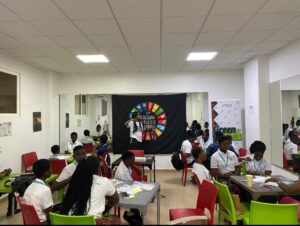
The initiative brings together participants ranging from 12 to 40 years, creating an opportunity for young people, learners and facilitators to exchange ideas and perspectives on climate change.
Leuzzi said participants would draw on what they see, hear and experience within their communities to develop games that communicate climate concepts in ways that resonate with Ghanaian society.
Linking culture to climate action
A major component of the exercise is the connection between Ghanaian cultural practices and climate education.
Leuzzi said participants would explore culturally relevant practices that already exist within Ghanaian communities and examine how they can contribute to climate awareness and action.
She said the approach could help young people recognise that solutions to climate challenges do not always have to come from textbooks or highly technical spaces.
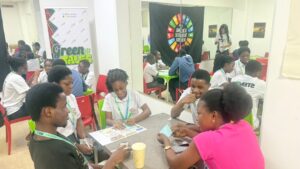
“Even designing these games also is a kind of solution. They don’t have to be reading always from the textbook,” she said.
The games will first be tested before being made available to the wider public, allowing organisers to assess their effectiveness in communicating climate-related concepts.
Empowering young people to become problem-solvers
Beyond increasing knowledge, Leuzzi said the initiative is intended to encourage young people to think critically about climate challenges and develop their own solutions.
She said bringing together people from universities and basic schools could generate practical ideas for both learners and facilitators.
According to her, such approaches can also help translate complex climate policies and concepts into language and activities that ordinary people can understand.
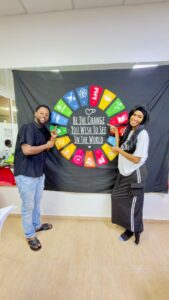
She said learners should be encouraged to think beyond the four walls of the classroom and recognise their communities as spaces for identifying problems and developing solutions.
The initiative is therefore expected to contribute to quality education and climate action by creating alternative ways of learning and engaging with climate issues.
Climate change beyond science
Leuzzi stressed that climate change affects virtually every sphere of life and therefore requires a broader understanding amongg people.
“Climate change is not just scientific; it’s also social, it’s also political,” she said.
She said exposing learners to these different dimensions would help them remain informed about developments in Ghana’s climate discourse and prepare them to participate more meaningfully in discussions and solutions around climate change.
Through the Youth Game Lab and the upcoming Green Tales programme, organisers hope to demonstrate how culture, education and play can become tools for building climate awareness and encouraging action among the next generation.
Source: www.climatewatchonline.com