
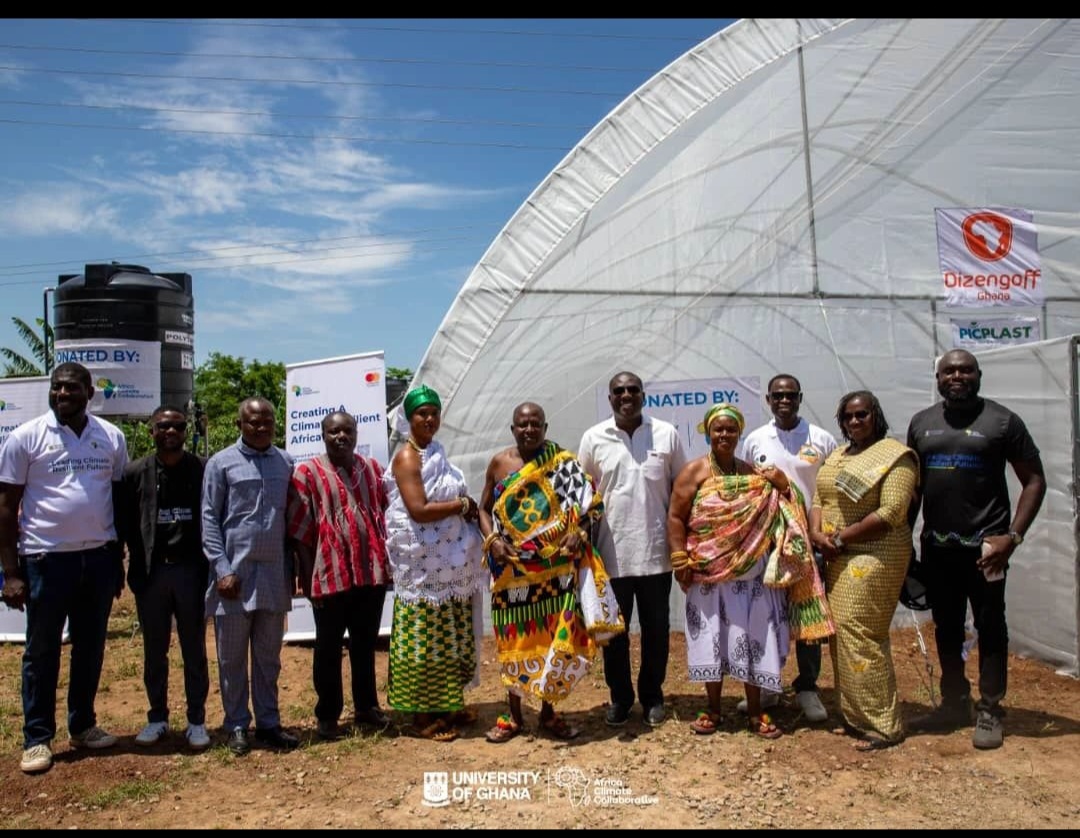
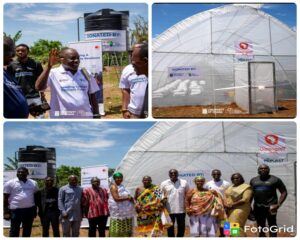
Mampong-Akuapem, Ghana— A new greenhouse facility commissioned at the Senior High Technical School for the Deaf in Mampong-Akuapem is advancing inclusive climate action by equipping students with disabilities with practical skills in climate-smart agriculture, while promoting food security and environmental sustainability.
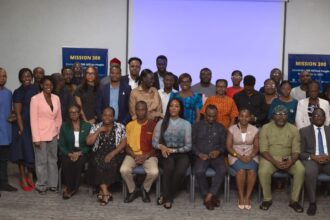
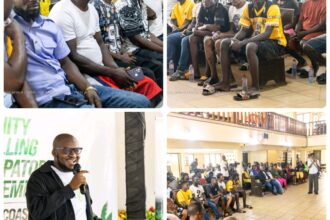
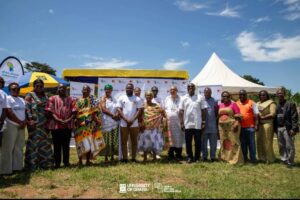
The greenhouse project, established by the Africa Climate Collaborative (ACC) at the University of Ghana with support from the MasterCard Foundation, was officially commissioned on World Environment Day 2026, underscoring efforts to ensure that climate solutions are inclusive and accessible to all.
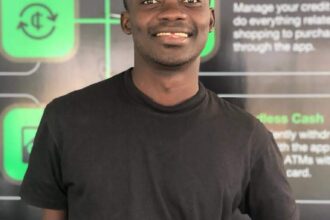
Speaking at the commissioning ceremony, Dr. Joseph Clottey, Project Manager of the Africa Climate Collaborative, said the initiative is designed to integrate climate education with practical agricultural training while ensuring that persons with disabilities are not excluded from climate action and green skills development.
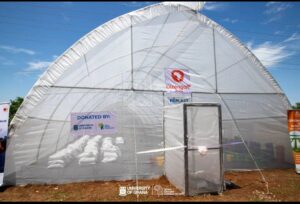
He explained that the greenhouse facility will provide hands-on training in sustainable agriculture, greenhouse management, and climate-resilient farming techniques, enabling students to acquire skills relevant to the emerging green economy.
“This project demonstrates that climate action must be inclusive. We cannot build a resilient future if we leave any group behind, particularly persons with disabilities who are often excluded from climate interventions,” Dr. Clottey said.
He noted that the initiative goes beyond food production, serving as a platform for empowering young people with knowledge and practical skills that can improve livelihoods and strengthen resilience to climate change.
According to him, the greenhouse will also support year-round food production, reduce environmental impacts associated with traditional farming systems, and provide a model for sustainable agriculture within educational institutions.
Dr. Clottey stressed that climate change continues to pose significant risks to food security, livelihoods, and ecosystems across Africa, making it necessary to invest in practical solutions that prepare young people to adapt to changing conditions.
He added that persons with disabilities are often disproportionately affected by climate change, yet remain underrepresented in climate-related programmes and decision-making processes.
“Inclusion is not optional; it is essential to climate action. Every young person deserves the opportunity to contribute to building a sustainable future,” he said.
The commissioning formed part of activities marking World Environment Day, which highlights the need for environmental protection and sustainable development through collective action.
Project partners noted that the greenhouse will serve as a training hub where students can gain practical experience in modern agricultural techniques, while also learning the importance of environmental stewardship and sustainability.
They emphasized that sustainable agriculture is no longer a future ambition but an urgent necessity as communities across Africa continue to face rising temperatures, shifting rainfall patterns, and increasing climate-related challenges.
The Africa Climate Collaborative and the Mastercard Foundation said the initiative reflects their shared commitment to advancing inclusive climate action, building resilience, and empowering young people with skills needed for the green economy.
Source: www.climatewatchonline.com