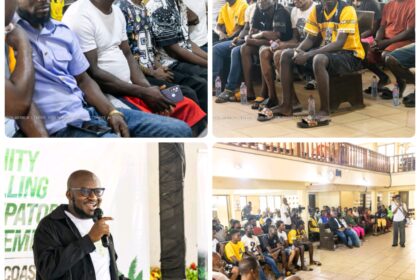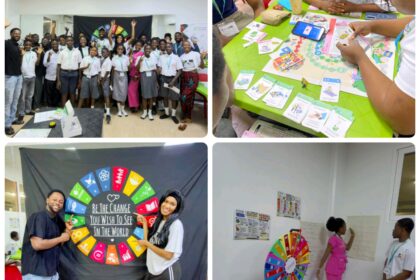

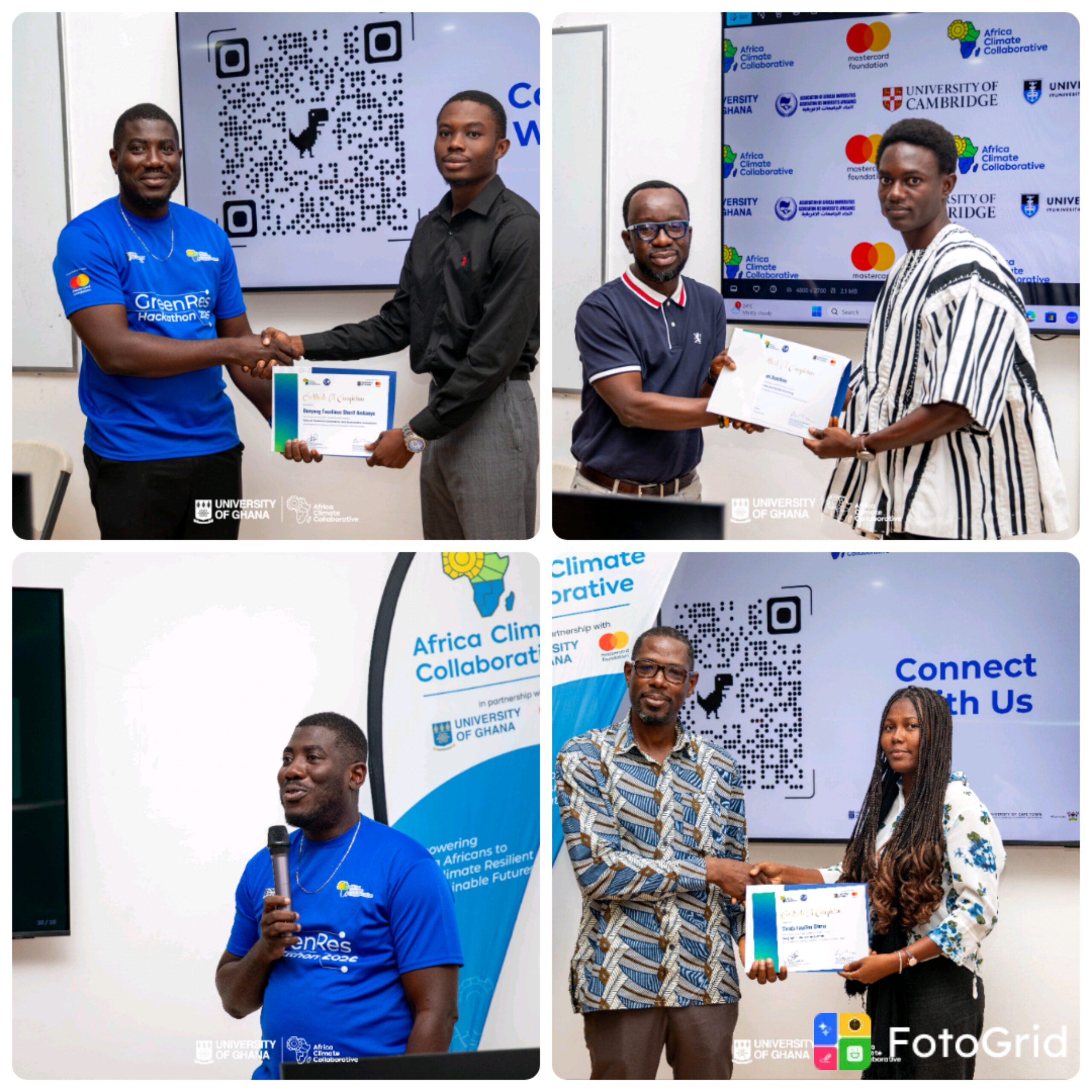
Accra, Ghana — A participant in a three-week climate change training programme, Priscila Serwaa, says the course has transformed her understanding of the relationship between climate change, natural disasters and gender inequality.
Serwaa, who specialised in Climate Change, Equity and Inclusion under a professional short course organised by the Africa Climate Collaborative (ACC) at the University of Ghana, said she previously had limited understanding of how climate-related disasters could affect people differently based on gender.
She said the training had helped her recognise the need for climate responses that deliberately consider the different vulnerabilities and needs of women, children and other marginalised groups.
“Initially, I didn’t know the correlation. I didn’t think there was a correlation between climate change and gender inequity. But now I do,” Serwaa said.
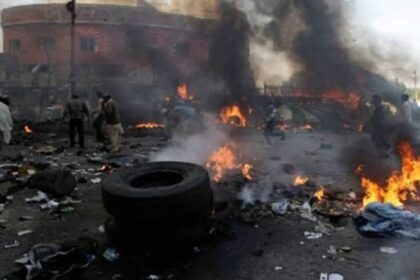
She explained that climate-related hazards, including floods and other natural disasters, can deepen existing inequalities when responses fail to account for the different circumstances of women and children.
“Now I know how climate change and natural disasters affect gender, and how we can curb everything by being equitable when it comes to gender,” she said.
Gender-sensitive climate action
Serwaa said achieving equity in climate action requires decision-makers to design interventions that respond to the circumstances of different groups rather than applying a one-size-fits-all approach.
She cited flooding as an example, noting that effective disaster preparedness and response should include measures that address the specific needs of women and children.
“When it comes to natural disasters, for example, the floods that happen, in order to have gender equity, we need to put measures in place that address every gender, especially women and children,” she said.
According to Serwaa, equal treatment does not always produce equitable outcomes because people have different vulnerabilities, responsibilities and capacities.
She therefore stressed the importance of ensuring that climate adaptation and disaster-management interventions deliberately consider those differences.
“When we give equal opportunities to everyone, women and children kind of fall short when it comes to men and some abilities and some expectations of them,” she explained.
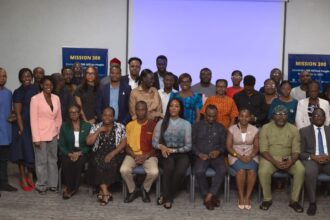
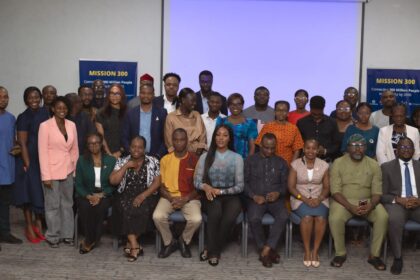
The Africa Climate Collaborative’s Training and Capacity Building programme is designed to build the skills of young people and marginalised groups, with a focus on climate change, inclusivity, academic development and mentorship. Its stated objective is to develop a critical mass of skilled individuals capable of contributing to sustainable development and climate-related discourse.
The Collaborative’s 2026 professional short courses include a dedicated Climate Change, Equity and Inclusion pathway alongside training in GIS, geospatial technology, natural resource governance and land-use planning.
From awareness to action
For Serwaa, the most important outcome of the training was not simply acquiring knowledge but understanding how that knowledge could influence practical climate action.
She said the course had changed the way she viewed climate change interventions and reinforced the need for equity to be incorporated into efforts to address climate-related risks.
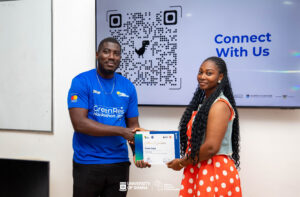
“Gender equality and climate change has made me understand how, when it comes to curbing natural disasters and climate change, we can be equitable,” she said.
Her experience reflects the broader emphasis of the Africa Climate Collaborative on diversity, equity and inclusion in climate action. The initiative prioritises women, persons with disabilities and displaced people in its broader capacity-building and fellowship programmes, while promoting climate-resilient development and sustainable solutions.
Serwaa’s experience suggests that strengthening understanding of the social dimensions of climate change could help equip emerging professionals to design and advocate for responses that do not leave vulnerable groups behind.
Source: www.climatewatchonline.com