
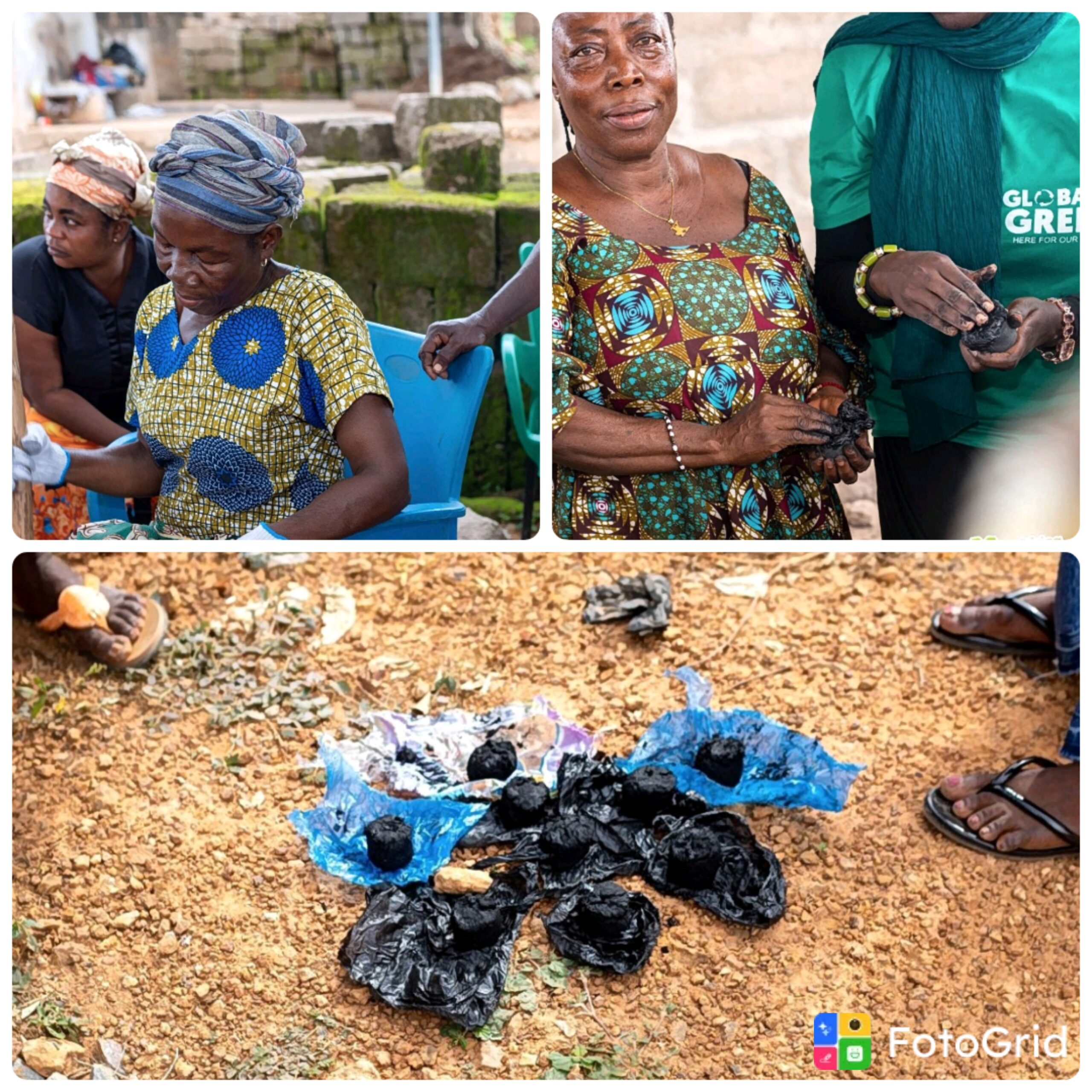
Wusuta, Volta Region — Women in Wusuta in the North Dayi District of the Volta Region are turning coconut waste into an opportunity for clean energy, income generation and climate action following a practical briquette-making training programme.
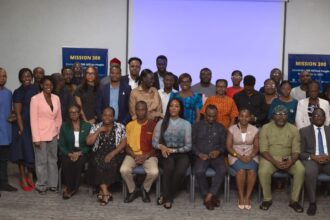
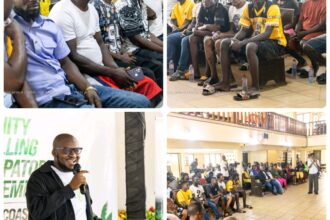
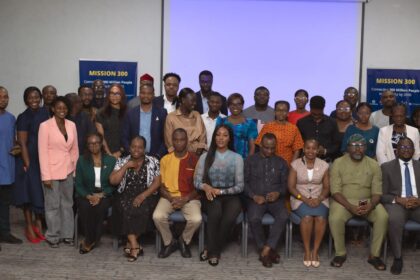
The training, held on July 23, 2026, was organised by the Renewable Energy for Communities Coalition (RE4CC) in collaboration with the African Just Transition Network under the theme, “Empowering Women with Green Skills for a Stronger and Resilient Community.”
The initiative sought to equip women with practical green skills while promoting locally driven renewable energy solutions and creating opportunities for sustainable livelihoods.
Participants were trained to convert discarded coconut husks, which are often treated as waste, into environmentally friendly briquettes that can be used for household cooking and other domestic energy needs.
Speaking during the programme, Lead of RE4CC, Portia Adu Mensah, said empowering women with practical renewable energy skills was critical to building resilient communities and advancing climate justice.
“Empowering women with practical renewable energy skills is one of the most effective ways to build resilient communities while advancing climate justice. Every woman trained today becomes an ambassador for clean energy and sustainable livelihoods.”
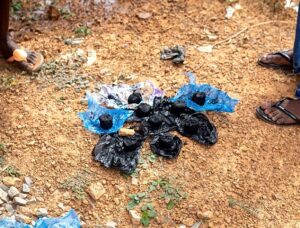
From waste to clean cooking fuel
The hands-on training demonstrated how coconut husks can be processed and transformed into briquettes, providing an alternative source of household cooking fuel.
Facilitators explained that waste-based briquettes can offer an alternative to conventional charcoal and firewood, potentially helping reduce pressure on forests while providing communities with locally produced cooking fuel.
Research on biomass briquettes has also examined coconut husks as a potential feedstock for alternative fuels, while international examples show how coconut waste can be transformed into cleaner-burning briquettes.
Facilitating the practical session, Daniel said briquette production could be undertaken with locally available materials and had the potential to become a small-scale livelihood activity.
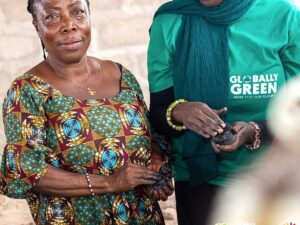
“Briquette production is simple, affordable, and can be replicated with locally available materials. Consistency in the preparation process determines the quality of the briquettes, and with practice, participants can turn this skill into a sustainable livelihood.”
He encouraged participants to continue practising and share the knowledge with other members of their communities.
Green skills and women’s livelihoods
Beyond the environmental benefits, the programme highlighted the economic potential of clean-energy solutions.
Women were encouraged to produce and sell briquettes within Wusuta and neighbouring communities, creating opportunities for additional household income while addressing local energy needs.
One participant said the training had changed how she viewed coconut waste.
“This training has opened my eyes to a new source of income while helping us protect our environment. Instead of wasting coconut husks, we can now turn them into something valuable for our families.”
Another participant said she planned to share the skills with other women in the community.
“I will share this knowledge with other women in my community because clean cooking solutions will improve our health, reduce the cost of fuel, and create opportunities for us to earn an income.”
Participants subsequently pledged to share their knowledge with other women and young people in neighbouring communities.
Advancing a just energy transition
The organisers said the initiative demonstrates how community-level interventions can connect women’s economic empowerment, waste management, clean cooking and climate action.
For RE4CC, increasing access to clean cooking solutions is also part of efforts to reduce carbon emissions and contribute to Ghana’s climate commitments.
Portia Adu Mensah said community participation would be essential if Ghana is to achieve its climate objectives.
“Achieving Ghana’s climate goals requires strong community participation. We remain committed to working with partners and communities to promote clean cooking solutions that protect lives, create jobs, and safeguard the environment for future generations.”
The Coalition called on government, development partners, civil society organisations and other stakeholders to intensify support for clean cooking solutions across Ghana and Africa.
The Wusuta training demonstrates how locally available agricultural waste can be transformed into an economic and environmental resource, while equipping women with skills that can contribute to more resilient livelihoods.
The initiative also underscores the role of grassroots communities in advancing a just energy transition—one that links clean energy and climate action with decent livelihoods and greater economic opportunities for women.
Source: www.climatewatchonline.com