
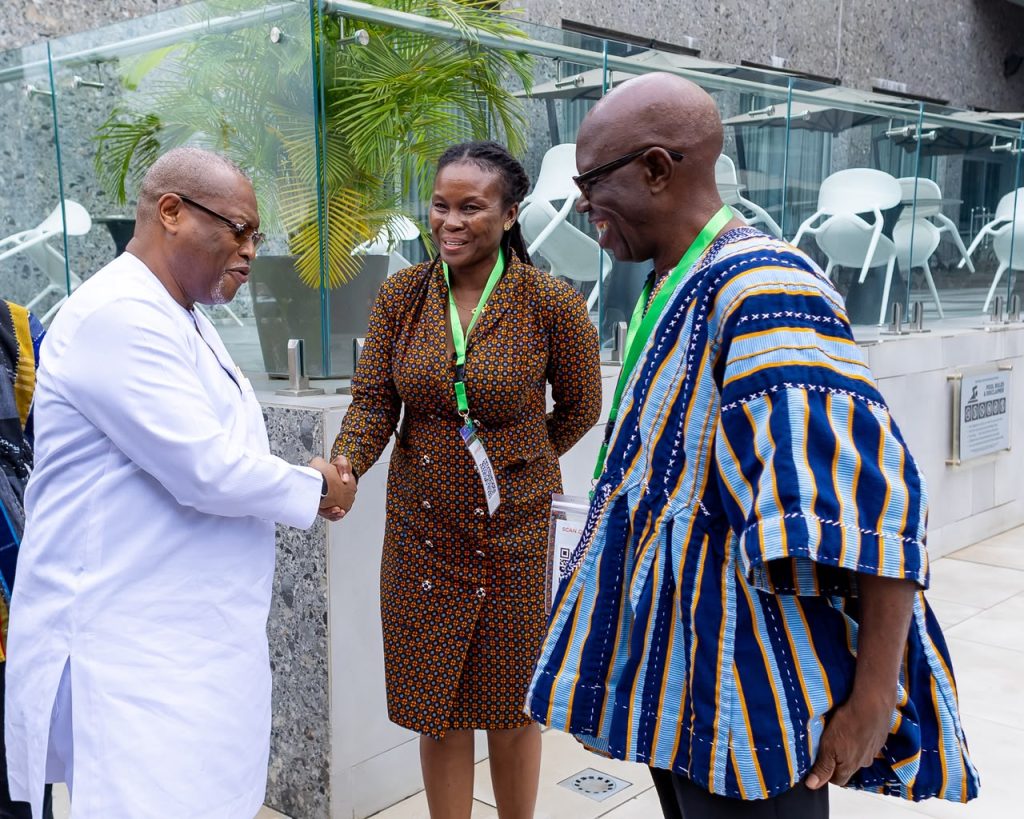
Accra, Ghana – Ghana has reaffirmed its commitment to mainstreaming agroecological practices as part of efforts to transform the country’s food systems, with renewed calls for a national agroecology strategy at the opening of the CIRAWA Agroecology Conference in Accra.
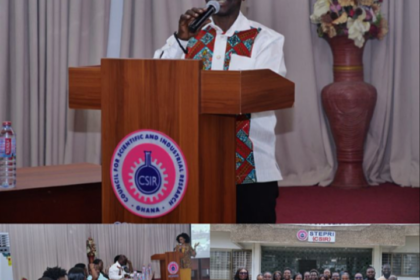
The three-day conference, which began on Wednesday, brought together policymakers, researchers, farmers and development partners from across West Africa and Europe to explore opportunities and practical pathways for scaling up agroecology under the European Union-funded CIRAWA project.
In a statement delivered on her behalf by the Chief of Staff, Alex Percival Segbefia, Vice President Professor Naana Jane Opoku-Agyemang said Ghana was committed to promoting agroecological practices as part of its broader agricultural transformation agenda.
She said the country must transition from agricultural systems that were no longer delivering the desired outcomes while embracing approaches capable of improving productivity, strengthening resilience and protecting the environment.
According to the Vice President, government support would focus on interventions including crop diversification, agroforestry, improved soil fertility management through composting and other sustainable techniques, the production and use of biofertilisers and biopesticides, farmer-led irrigation, simple mechanisation systems and the local production of high-yielding seed varieties.
She added that the government’s commitment underscored the need for a national agroecology strategy to guide the transformation of Ghana’s food systems while contributing to the achievement of the Sustainable Development Goals.
Also addressing the opening ceremony, Edmond Moukala, Head of UNESCO’s Office in Accra, described the conference as a historic opportunity where policy, science and indigenous knowledge could converge to tackle the dual challenge of ensuring food security while restoring ecosystems.
He said Africa remained on the frontline of a climate crisis it had done little to create, arguing that agroecology represented more than a farming practice.

“Agroecology is not just a farming method; it is an act of resistance. It enables African countries to strengthen food sovereignty and reduce dependence on fragile global supply chains,” he said.
Agricultural Development and Food Systems Economist at the University for Development Studies, Professor Saa Dittoh, called on West African governments to integrate agroecological strategies into national agricultural policies.
He observed that while agroecology held enormous potential for improving sustainable agriculture, West Africa continued to trail some East African countries in adopting supportive policies.
“The agroecological transition has immense potential, but it will depend on responsible science and strong local, national and governmental movements. We have to lobby, and that’s why coming together to do this is very important,” he said.

Throughout the conference, participants from Ghana, Cape Verde, Senegal, The Gambia and Europe are expected to engage in keynote presentations, technical workshops and policy dialogues focused on strengthening collaboration and accelerating the agroecological transition across West Africa.
Organisers say the conference aims to generate practical recommendations that will help governments, researchers and farming communities promote sustainable food systems capable of addressing climate change, biodiversity loss and food insecurity across the region.
Source: www.climatewatchonline.com