
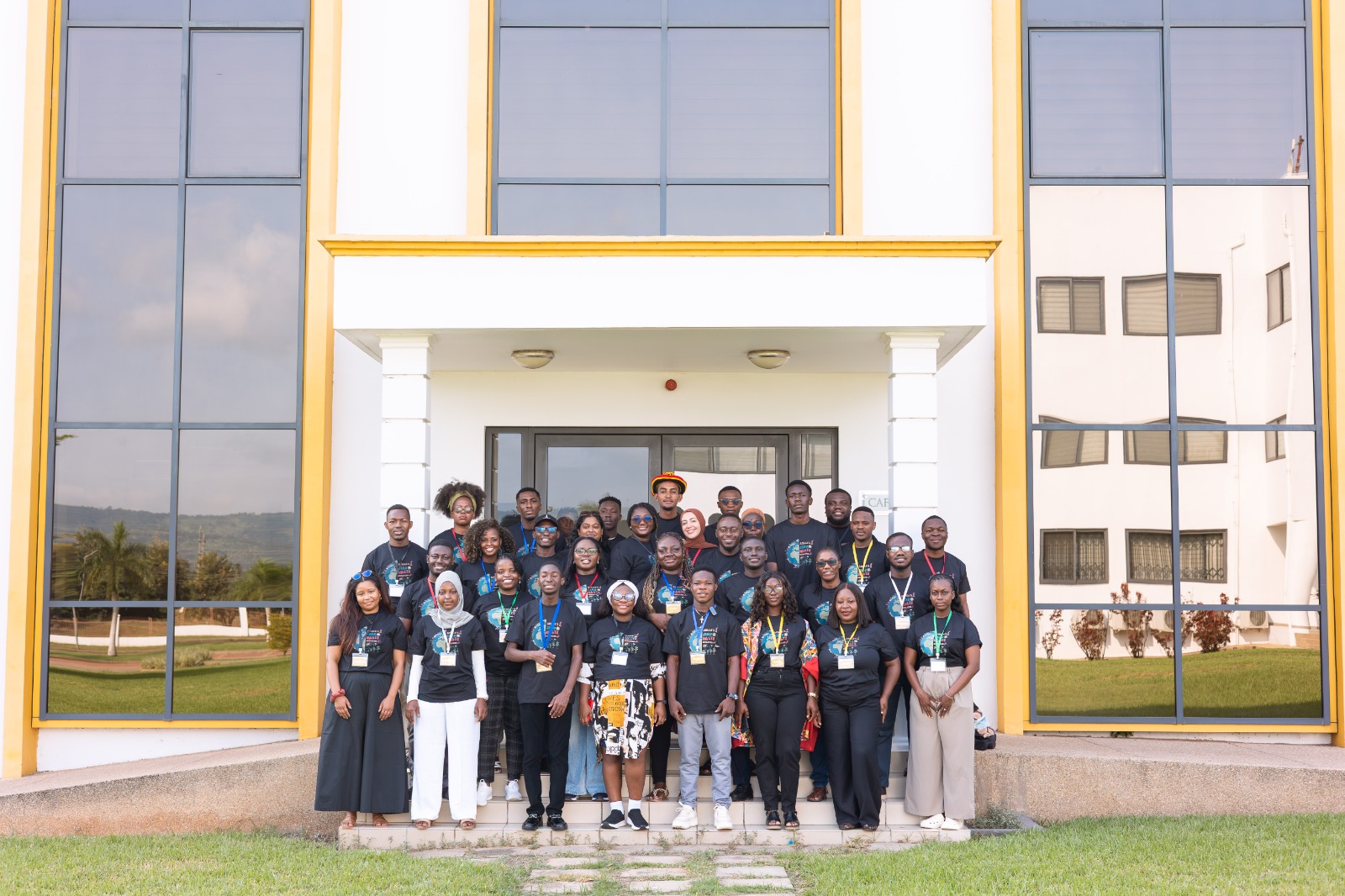
KPONG, Ghana — July 27, 2026 — The Global Alliance for Incinerator Alternatives (GAIA) Africa and the Green Africa Youth Organization (GAYO) have commenced the in-person component of the Africa Zero Waste Academy 2026, a flagship capacity-building programme aimed at equipping the next generation of zero-waste practitioners with practical skills to tackle Africa’s growing climate and waste crisis.
The in-person training follows the successful completion of a five-week online programme last month.
Now in its second year, the Academy is training participants to design and implement locally appropriate zero-waste systems capable of reducing greenhouse gas emissions, creating green jobs, protecting public health and supporting sustainable livelihoods.
More than 700 climate and waste practitioners from across Africa applied to participate in the programme, with organisers prioritising gender and geographic diversity in the selection process.
The initiative comes amid growing concerns over the global waste crisis, with more than 2.1 billion tonnes of municipal solid waste generated annually worldwide. Organisers say localised approaches, including organic waste management and waste separation at source, are critical to reducing the impacts of waste on the climate, biodiversity and livelihoods.
The Academy also comes as cities across Africa increasingly explore zero-waste solutions. In March 2026, Accra was designated by the United Nations as one of 20 Cities Towards Zero Waste, an achievement linked in part to the work of GAYO’s award-winning Zero Waste Accra Project.
The project has contributed to efforts to divert organic, plastic and electronic waste from landfills while helping to curb methane emissions.
“This is not just about managing waste better; it’s about rethinking systems for climate resilience, green jobs, and community health,” said Ama Asiedu, GAIA Africa Zero Waste and Climate Programme Associate.
She said the Academy recognises the strong connection between waste management, livelihoods and human wellbeing, particularly for people working directly within the waste sector.
According to her, the programme adopts a justice-based approach that prioritises human rights, protects the livelihoods of waste pickers and waste workers, and promotes systems designed to prevent environmental and social harm.
Fathia Selasi Charway-Glover, Project Coordinator for Zero Waste Cities at GAYO, said achieving zero waste would require fundamental changes to the economic and material systems that generate waste.
“Zero waste is a systems transformation agenda that challenges us to rethink and redesign the economic and material systems that generate waste,” she said.
She stressed the need for deliberate investment in people, knowledge, coherent policies and inclusive infrastructure that recognises waste as a resource rather than a liability.
“The Academy represents a critical investment in that transformation by building the technical capacity and cross-sector collaboration needed to accelerate the transition towards a circular economy,” she added.
Participants have completed the Academy’s five-week virtual programme, which covered areas including movement building, waste characterisation and monitoring frameworks.
The ongoing in-person component in Ghana is expected to consolidate participants’ learning through expert presentations and site visits to zero-waste projects in Accra.
Ama Asiedu said the programme would enable participants to take the knowledge and skills gained back to their respective communities and contribute to the development of sustainable practices and policies.
“We believe each participant has a vital role to play in shaping sustainable practices and policies within their communities. The insights and knowledge exchanged here will drive significant change towards achieving a Zero Waste Africa,” she said.
Led by GAIA Africa, the Africa Zero Waste Academy is a capacity-building initiative designed to equip climate and waste practitioners with the knowledge and skills required to implement practical zero-waste solutions.
By developing a new generation of zero-waste leaders, the Academy seeks to empower communities to reduce waste, cut emissions, protect public health and build sustainable livelihoods while advancing Africa’s transition towards a circular economy.
Source: www.climatewatchonline.com