
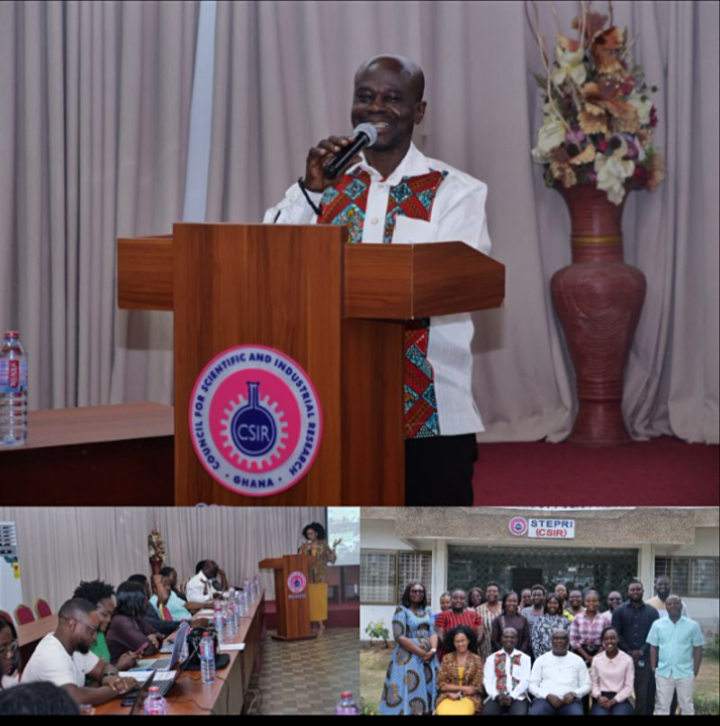
Accra, Oct. 6, 2026— Ghana must move beyond counting climate adaptation projects and start measuring whether those interventions are actually helping farmers withstand climate shocks and protect their livelihoods.
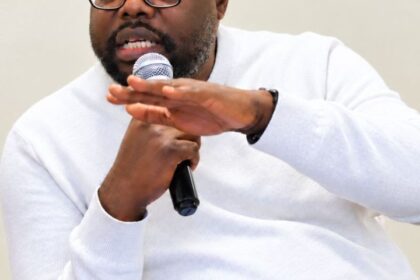
Nana Dr. Antwi-Boasiako Amoah, Chair of the African Group of Negotiators on Climate Change (AGN), made the call at a stakeholder workshop in Accra on inclusive adaptation tracking in Ghana’s agriculture sector.
He said the success of climate adaptation should not be judged simply by the number of projects implemented, training programmes organised or funds invested, but by whether farmers are becoming less vulnerable and more resilient.
“The negotiating room and the farmer’s field cannot exist as two separate worlds,” he said.
For farmers facing droughts, floods, changing rainfall patterns and rising temperatures, adaptation is ultimately about survival and livelihoods.
It means being able to protect crops, make better decisions using climate information, reduce losses and recover more quickly when climate shocks occur.
Nana Dr. Amoah said Ghana therefore needs to strengthen how it tracks whether adaptation interventions are producing these real-world outcomes.
From activities to impact
Adaptation monitoring, he said, should go beyond recording what has been done and begin asking what has changed.
Have farmers adopted practices that reduce climate risks? Are improved technologies helping to protect yields? Is climate information reaching farmers early enough to influence decisions? Are adaptation investments strengthening household and community resilience?
These questions, he said, should form part of Ghana’s assessment of whether climate adaptation is working.
Ghana already has agricultural data, district-level information and monitoring systems linked to its National Adaptation Plan. The opportunity, he said, is to connect these sources and establish common indicators, clear institutional responsibilities and reliable data flows.
Who benefits from adaptation?
The tracking of adaptation must also show who is benefiting.
Nana Dr. Amoah stressed the need for data to capture the experiences of women, young people, persons with disabilities and other vulnerable groups whose ability to respond to climate risks can differ significantly.
A national adaptation programme may report thousands of beneficiaries, for example, but such figures may not reveal whether the most vulnerable farmers are actually receiving the support they need.
Better data could therefore help policymakers identify gaps, improve investments and strengthen Ghana’s case for climate finance.
Bringing policy closer to the farm
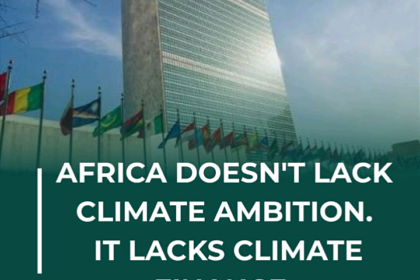
The call also highlights a wider challenge in climate governance: the gap between international climate commitments and what happens in farming communities.
Ghana has an opportunity to link agricultural data, National Adaptation Plan monitoring, district information and international climate reporting so that information generated at community level can inform national decisions.
The lessons could also contribute to wider African efforts to make adaptation tracking more practical, inclusive and useful for securing finance.
But ultimately, the measure of success is not found in a project document or a financial statement.
It is found in the farmer who is better prepared for a changing climate, the family that avoids losing its livelihood after a flood, and the community that can withstand a drought without being pushed deeper into poverty.
For Ghana, the question is therefore no longer simply how much adaptation is being done.
Source: www.thenewindependentonline.com