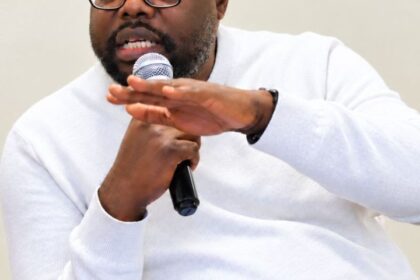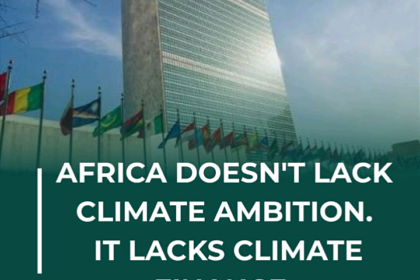


Africa risks remaining a supplier of raw materials for the global clean-energy transition unless countries build the institutions, industries and negotiating power needed to capture more value from their natural resources, policy analyst Eugene Nforngwa has warned.
Nforngwa made the call after participating in the African Civil Society Forum on Nature, Climate and Environmental Governance, organised by WWF Africa ahead of the 2026 Regional Consultative Meeting of the UNEP Major Groups and Stakeholders – Africa.
At the forum, discussions on Africa’s energy transition focused on a growing question: how can the continent ensure that the shift to renewable energy delivers development benefits for Africans rather than simply creating new demand for African resources?
Nforngwa said the global transition is not only about replacing fossil fuels with renewable energy but is also reshaping competition for critical minerals, technology, manufacturing, finance and control of supply chains.
“Countries are positioning themselves to secure the benefits of that shift. Africa must do the same,” he said.
From raw materials to value creation
Africa has considerable leverage in the transition, Nforngwa said, citing the continent’s renewable energy potential, critical mineral resources, expanding markets and pressing development needs.
But he stressed that natural resources alone would not give African countries greater influence.
“Leverage has to be built through coordinated priorities, stronger institutions and the capacity to negotiate investment on terms that advance African development,” he said.
For Nforngwa, the issue is therefore not simply how much Africa can supply to the global clean-energy economy, but what the continent can produce, process and retain from that economy.
He called for energy and mineral partnerships to be linked to affordable electricity, local processing, productive industries, skills development and decent jobs.
This would enable African countries to move further up emerging clean-energy value chains instead of exporting raw materials while higher-value manufacturing and economic opportunities are created elsewhere.
Africa must shape its transition
Nforngwa also called for greater African agency in determining the continent’s energy transition pathways.
He said African countries need stronger institutions and coordinated priorities to negotiate investments and partnerships that reflect their development objectives.
The debate, he noted, should therefore go beyond the traditional question of whether Africa should pursue renewable energy or continue using fossil fuels.
It should also address who owns the resources, who controls the technology, where value is created, who receives the investment and who gets the jobs generated by the transition.
For Africa, the emerging clean-energy economy presents both an opportunity and a challenge. Nforngwa’s position is that securing the benefits will require the continent to move from being primarily a resource supplier to becoming a stronger participant in the industries and value chains being created by the global energy transition.
Source: www.climatewatchonline.com